


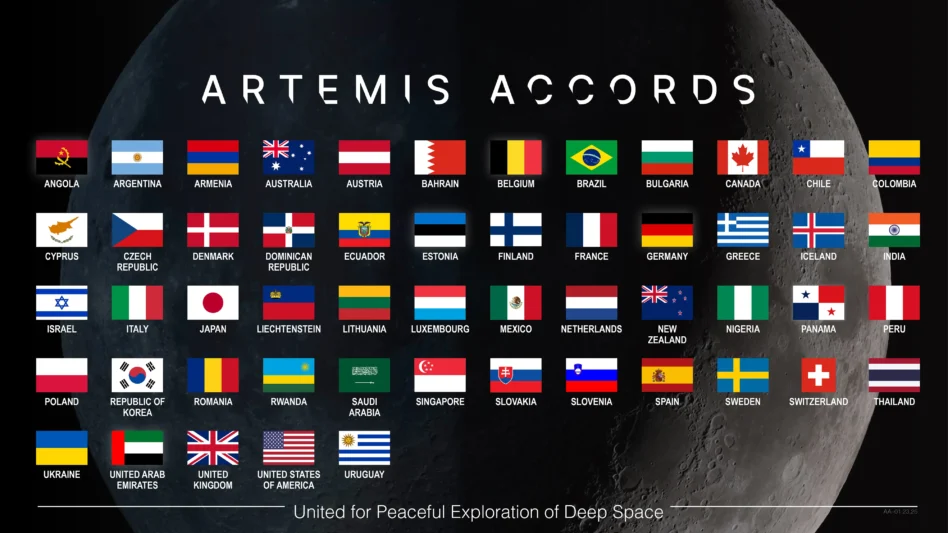
Finland signed the Artemis Accords yesterday, becoming the 53rd nation to join the international agreement—and the first of Trump’s second term.
The first nations signed on to the Artemis Accords in 2020 under the first Trump administration. In the years since, more than a quarter of the world nations have signed on to the agreement, though China and Russia remain separate, building their own deep space coalition under the International Lunar Research Station.
Eyes in the sky: Finland’s addition to the group signals its commitment to the West’s strategy of beefing up its defense posture in space.
As climate change opens the polar region up to greater maritime and military activity, Finland has invested heavily in growing its space industry to keep an eye on the region.
In December, Finland’s government adopted a new space strategy resolution, calling for greater international cooperation to improve the nation’s commercial space capabilities in the areas of defense, telecommunications, and climate monitoring.
The country, which is home to some of the world’s largest tech firms in addition to Finnish SAR giant ICEYE, also expects significant financial gains with the new strategy.
“Investments in space activities will benefit other sectors of society six to seven times the value of the initial investment. The importance of space activities for the security and defence policy is constantly growing. The space will be one of the stages for great power competition,” Finland’s minister of economic affairs Wille Rydman said in December.
Continued collaboration: Although it’s a small nation, Finland has been an integral partner on many past and future international space missions.
- Since 2019, Finland has been working with US SpaceCom to share SSA information.
- The Finnish Meteorological Institute provided pressure and humidity measurement devices aboard the Mars Curiosity Rover.
- Nokia, headquartered in Finland, has also collaborated with NASA and Intuitive Machines to deliver the first communications system to the moon.

Isaacman Doubles Down on New NASA Model for International Partnerships
Isaacman is less than a year on the job, but he’s already upended the way the agency interacts with the rest of the world.
Exclusive: Exolaunch Books its first Starfall Mission
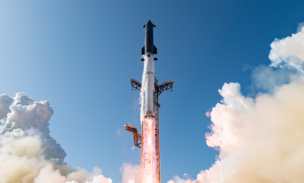
Exolaunch signed an agreement to support customer payloads on a SpaceX Starfall reentry mission scheduled to launch on a Starship NET 2029.
European Space Startups Steal the Show in Paris
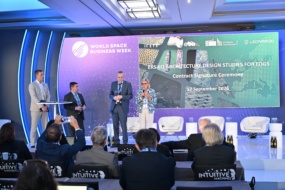
European space startups have long wondered when big institutional buyers would stop handing large contracts exclusively to legacy A&D primes. During the last few weeks, it’s become clear that time is now.

States Campaign to Host the US Space Academy
Ever since President Donald Trump signed an executive order on Aug. 28 establishing a US Space Academy, states have been coming out of the woodwork to make the case for why the school should call it home.

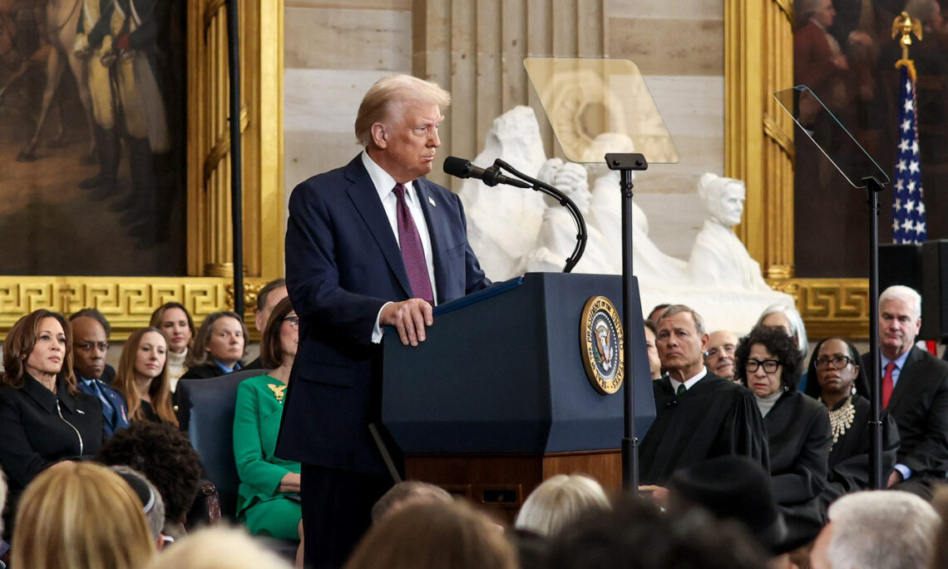
Shortly after he was sworn in as the 47th president of the United States, Donald Trump highlighted his lofty space goals, saying in his inaugural address that “we will pursue our manifest destiny into the stars, launching American astronauts to plant the Stars and Stripes on the planet Mars.”
Trump signed dozens of executive orders on his first day, including some that will affect the federal space workforce, such as ending DEI initiatives, ordering employees back to in-person work, and pausing all new regulations government-wide while the new team gets in place.
Here’s more of what we’re expecting to see for space in Trump’s first 100 days in office:
Keep reading