

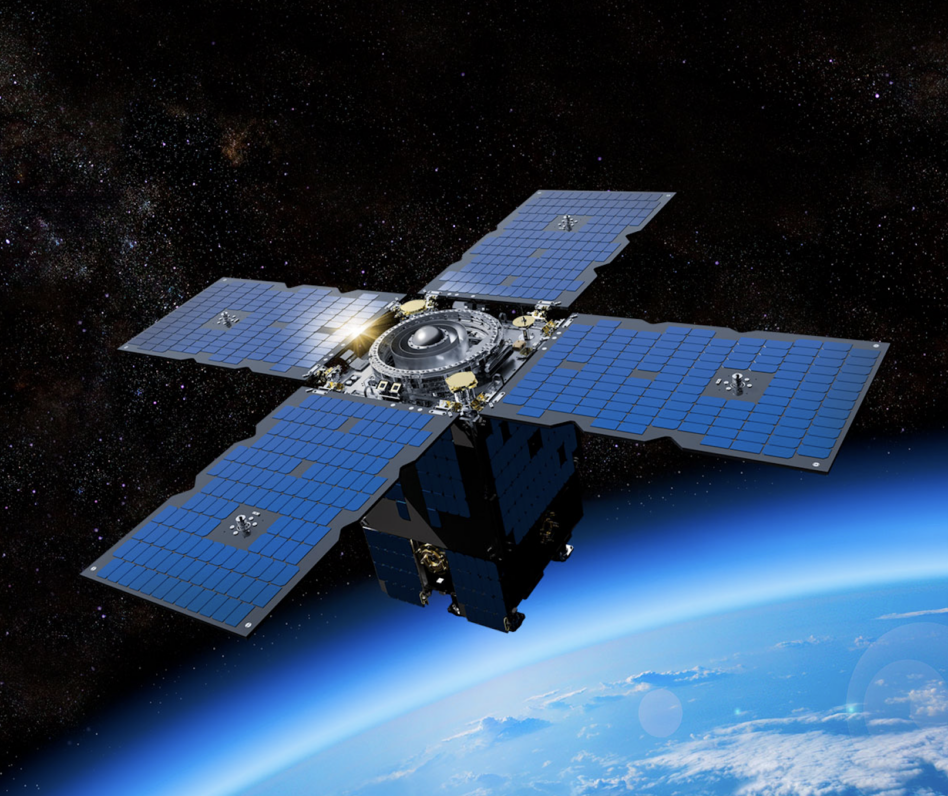
General Atomics acquired EO Vista, an electro-optical sensor supplier, the company announced Friday. EO Vista will be tucked into the General Atomics Electromagnetic Systems division, which houses the company’s satellite manufacturing and nuclear propulsion operations.
EO Vista is currently a General Atomics supplier, providing electro-optical weather sensors for its satellite buses. The acquisition brings a key capability in-house and adds to General Atomics space systems offerings.
“We look forward to bringing EO Vista’s unique capabilities on board as we continue to expand our weather and science programs and our growing portfolio of sensor system payload designs to support a wide range of customer requirements, including intelligence, surveillance, and reconnaissance missions,” General Atomics executive Scott Forney said in a statement.
Military weather: The pair teamed up in 2022 to build a demo weather satellite for the Space Force’s Electro-Optical/Infrared Weather System (EWS) program. Electro-optical sensors capture images in a multitude of wavelengths of the electromagnetic spectrum, including visible light and infrared light.
- The EWS constellation will provide weather data needed for military operations including informing flight routes, maritime tracking, missile observation, and intelligence.
- The next-gen satellites will replace the Defense Meteorological Satellite Program (DMSP) constellation, which is aging and set to expire in a couple years.
+ Nuclear to Mars: In addition to building out its satellite capabilities, General Atomics is building nuclear propulsion tech for the Pentagon. The defense contractor nabbed a $22M DARPA contract in 2021 to support the development of nuclear thermal propulsion for in-space transportation. The program aims to develop a spacecraft that can significantly reduce the duration of future crewed missions to Mars.
TRL11 Will Build Imaging Tech for SR-1 Freedom
TRL11 has received a NASA contract to provide imaging systems for the Space Reactor-1 (SR-1) Freedom mission to Mars.
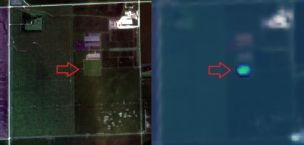
InnerPlant’s Glowing Soy Demos Hyperspectral Use Case
InnerPlant, which was founded in 2018, has enabled plants to let humans know when they’re under stress.

Exclusive: Exolaunch Books its first Starfall Mission
Exolaunch signed an agreement to support customer payloads on a SpaceX Starfall reentry mission scheduled to launch on a Starship NET 2029.

Viasat and Space42 Commit Up to $1B to Equatys Joint Venture
Space42 and Viasat agreed to formally establish Equatys, a shared satellite-and-ground-infrastructure company for D2D connectivity and advanced mobile satellite services.

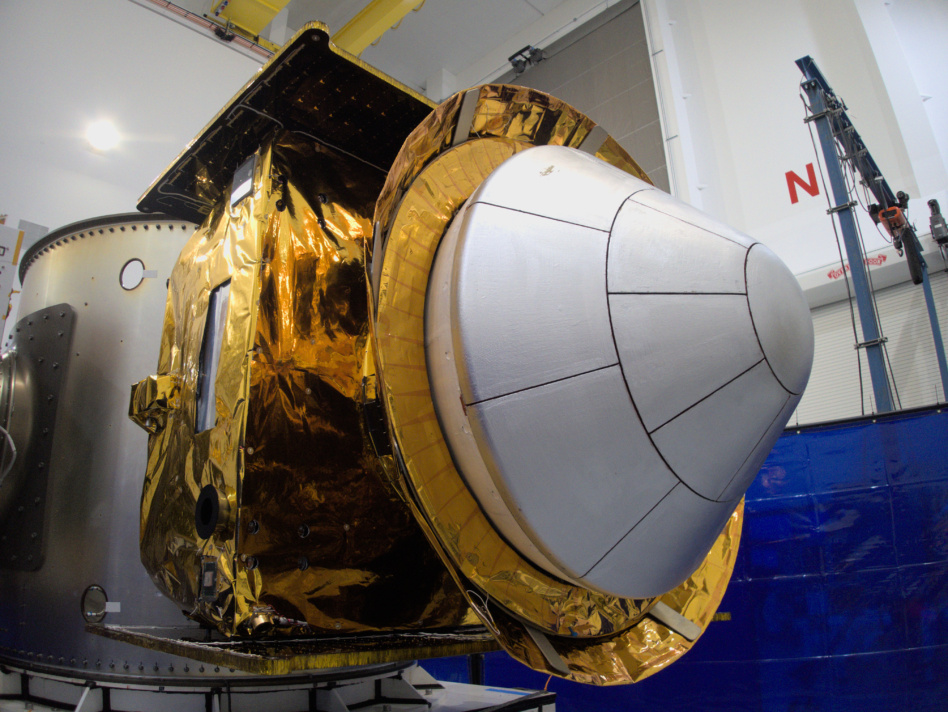
Varda’s first in-space manufacturing capsule can’t come back down to Earth.
On Friday, TechCrunch reported that the US Air Force denied Varda Space Industries permission to use a Utah recovery range, and the FAA also denied a reentry license, leaving the company’s orbiting pharmaceutical factory waiting in orbit.
“The request to use the Utah Test and Training Range for the landing location was not granted at this time due to the overall safety, risk and impact analysis,” an FAA spokesperson said in a statement to TechCrunch. “In a separate process, the FAA has not granted a reentry license. All organizations continue working to explore recovery options.”
Keep reading