


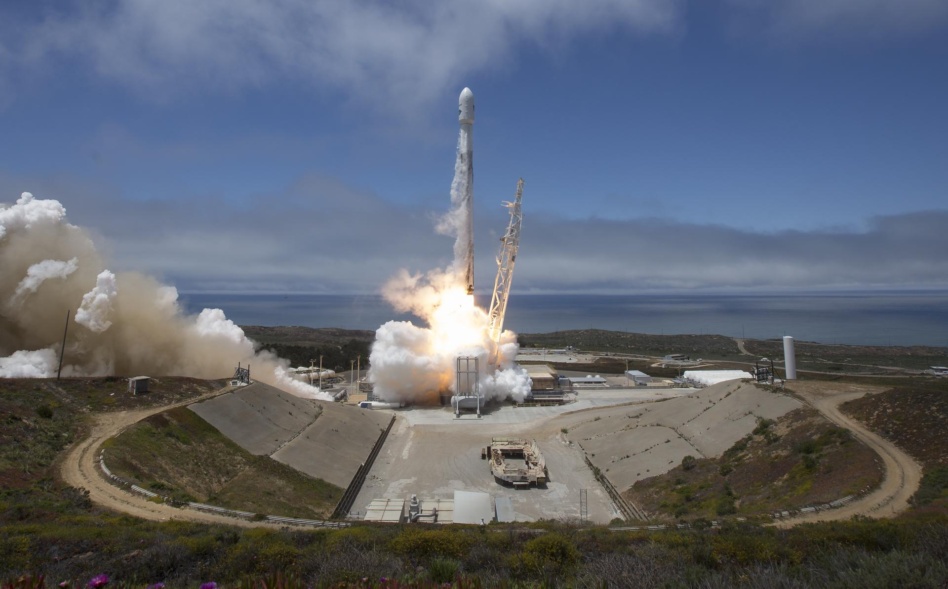
Despite beating market expectations with first quarter revenue growth of 5% year-on-year, Iridium’s stock fell nearly 7% in the face of competition and trade wars.
“Iridium is the first satellite company to quantify the impact of tariffs,” Quilty Space director of research Caleb Henry told Payload. “The market may have reacted negatively to a sector it presumed was insusceptible to tariff activity.”
Cost plus: The Trump administration’s tariffs could cost Iridium shareholders up to $7M in 2025, CEO Matt Desch shared Tuesday in an earnings update.
Iridium orders its hardware from a supplier in Thailand and ships it to the US for distribution, Desch said. Now, the satcom giant will distribute equipment for all non-US customers through an undisclosed European logistics provider.
The company forecast that the new taxes imposed by the White House could cost shareholders between $3M and $7M million this year, depending on the final rate, which could be as low as 10% or as high as 36%.
At its worst, though, that figure represents just about a percentage point of the company’s expected earnings, per Cantor Fitzgerald analyst Colin Canfield.
Let’s make this clear: Desch argued that investors (and short sellers) “still don’t understand how Iridium is differentiated” from competitors like Starlink or AST SpaceMobile. Acknowledging Starlink’s inroads in consumer broadband, Desch made his case:
- Starlink doesn’t have L-band spectrum, which is more resistant to interference for “mission-critical applications,” particularly maritime distress signal applications.
- Direct-to-device won’t threaten Iridium because it will be limited in geographic coverage due to regulatory issues. Some customers will still prefer purpose-built devices, and Iridium will begin testing its D2D capabilities this year.
- Iridium’s 2024 acquisition of Satelles allows it to offer position, navigation, and timing services.
“The company’s arguments may not have been convincing enough to a market very much in love with AST SpaceMobile and the idea of repurposing cellular spectrum from space,” Henry said.
Cuts have an impact: Desch said that the Trump administration’s spending cuts to USAID were affecting his business, since some international organizations used satellite services provided by Iridium.

DOE Announces $400M for Frontier Science Research
The Department of Energy is super-charging research into bleeding edge energy tech.
Exclusive: Meridian Space Spins Out from SpinLaunch
“Meridian will carry forward the satcom infrastructure business… SpinLaunch will continue to build on its vision for a lower-cost approach to launch, with further applications in hypersonics to support the Golden Dome program and in the lunar economy,” Meridian Space CEO Massimiliano Ladovaz told Payload.
Rocket Lab CFO Adam Spice Predicts More M&A Deals on the Horizon
Iridium shareholders voted overwhelmingly to approve the company’s acquisition by Rocket Lab. According to Rocket Lab CFO Adam Spice, there’s more M&A on the horizon.

States Campaign to Host the US Space Academy
Ever since President Donald Trump signed an executive order on Aug. 28 establishing a US Space Academy, states have been coming out of the woodwork to make the case for why the school should call it home.

While Europe made strides in standing up its sovereign launch capabilities, it’s long had to rely on the US and Russia to bring things home safely—that is, until now.
ATMOS Space Cargo, the German company leading the charge for reentry services on the continent, launched its first reentry capsule to orbit this week aboard the SpaceX Bandwagon-3 mission.
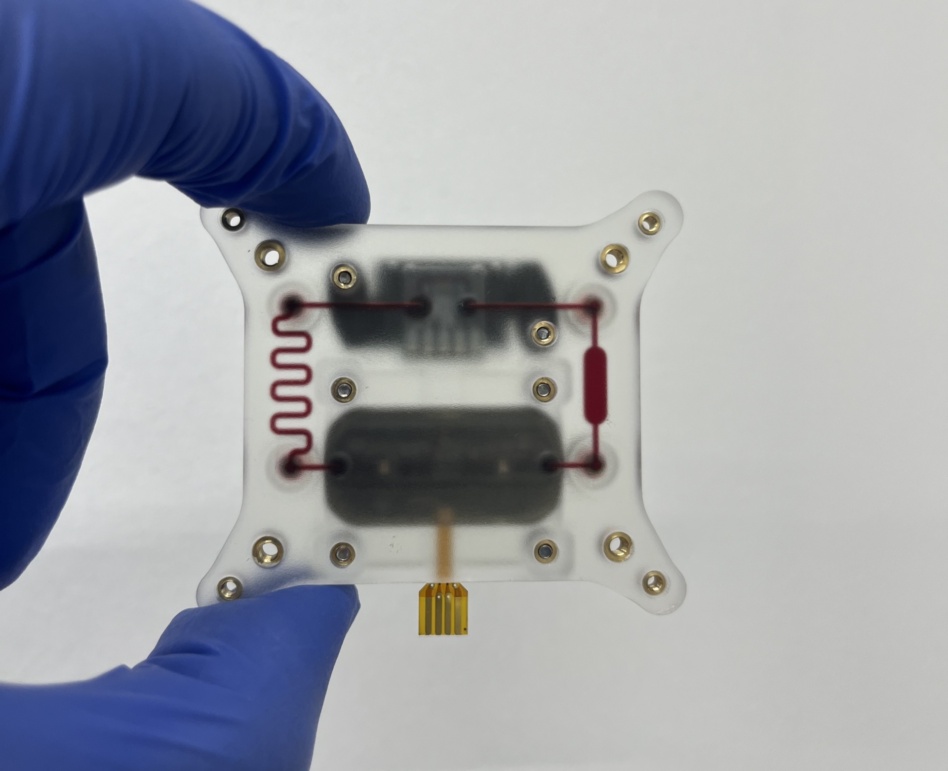
Four payloads hitched a ride on the Phoenix-1 reentry vehicle: The publicly released ones include a radiation detector from DLR; a micro imaging device from IDDK, a Japanese biotech firm; and a miniature bioreactor from UK-based Frontier Space.
Keep reading