


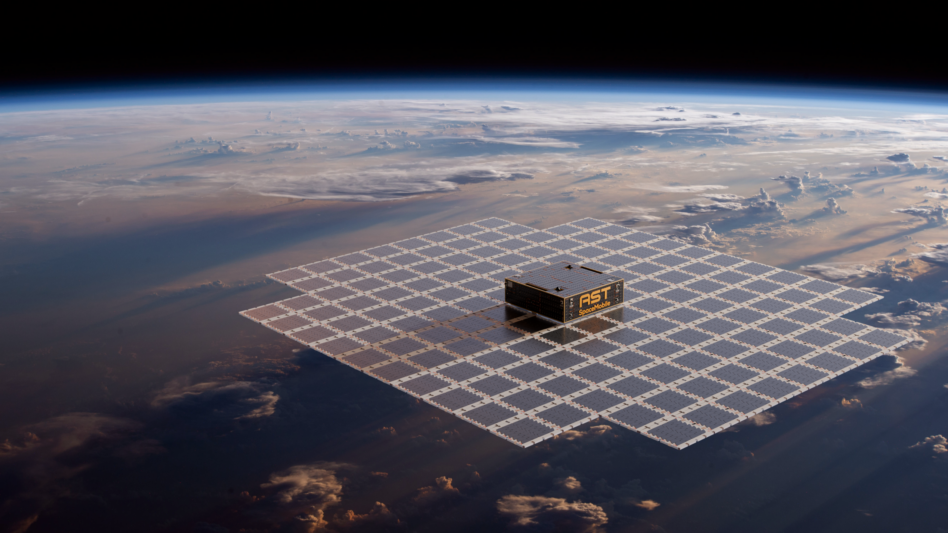
Japan plans to select a proposal this month for its domestically owned and operated D2D satellite network, called J-LEO.
The Ministry of Internal Affairs and Communications (MIC) has already allocated ~$1B in subsidies, covering up to half the total project cost. The winning operator will be required to match that investment with private funds—meaning the full build-out could run to ~$2B.
The autonomy argument: As an archipelago vulnerable to natural disasters, Japan has a clear rationale for pursuing D2D capabilities. Multiple Japanese mobile network operators (MNOs)— including KDDI, SoftBank, and NTT DOCOMO—already provide D2D services in partnership with SpaceX’s Starlink.
Yet the Japanese government doesn’t see this option as reliable enough for data sovereignty. J-LEO will be a domestic alternative for LEO D2D comms, reducing dependency on foreign-controlled satellite (read: SpaceX Starlink) networks.
The J-LEO project will require companies to meet the following conditions:
- Achieve a nationwide rollout by March 2029;
- Complete all network and data control domestically in Japan;
- Support video calls on regular smartphones for at least 70% of the day;
- Enable free roaming across carriers during disasters.
This isn’t Japan’s first sovereign space push. The government took a similar approach to GNSS with its Quasi-Zenith Satellite System (QZSS). However, while QZSS was built to enhance the US-operated GPS in the region, J-LEO will require fully private Japanese ownership and operations.
The contenders: MIC announced the subsidy for the J-LEO project in January, and aims to select a recipient by the end of June.
The competition is largely focused on three main candidates:
- Rakuten Mobile and AST SpaceMobile: MNO Rakuten confirmed plans to launch a Japanese joint venture with AST SpaceMobile, purchasing multiple AST satellites to establish the network. On June 24, a subcommittee of Japan’s MIC advisory council approved the use of 700 MHz for satellite D2D—a band only Rakuten holds, among Japan’s four MNOs.
- KDDI-SpaceX Consortium: KDDI already offers D2D capabilities through Starlink. SpaceX’s global track record, and trial use within Japan’s Self-Defense Forces, offer a possible advantage—but may mean lower autonomy and tailoring than other options.
- MDA Space and ???: An MDA Space consortium is a potential wildcard pick, as it lacks a publicly stated Japanese partner. Mitsubishi Electric Corporation announced today that MDA Space has been selected to build the next-generation GEO satellites series for the Japan Ministry of Defense.
Europe’s Space Defenses Fall Just Shy of Weaponization
Europe doesn’t have any weapons in space—but that doesn’t mean the region is comfortable flying around in orbit defenseless.
Exclusive: Xona Ramps Up Production Ahead of Pulsar Launch
With FCC approval in hand and six sats ready for the pad, Xona is turning to its next challenge: building the next 250.
ArbaLabs Launches AI Verification Demo On South Korea’s Nuri Rocket
“In short, tons of companies are looking at the latest and greatest physical AI deployments,” ArbaLabs CEO Ashley Reeves told Payload. “Nobody is really thinking about putting some checks and balances on what these AI models are doing.”
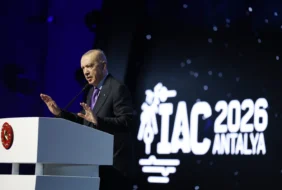
Turkey Uses IAC Stage to Pitch Peace & Homegrown Hardware
During the 2026 IAC in Antalya, representatives from Turkey are leveraging the opportunity to showcase the country’s prgoress in space.
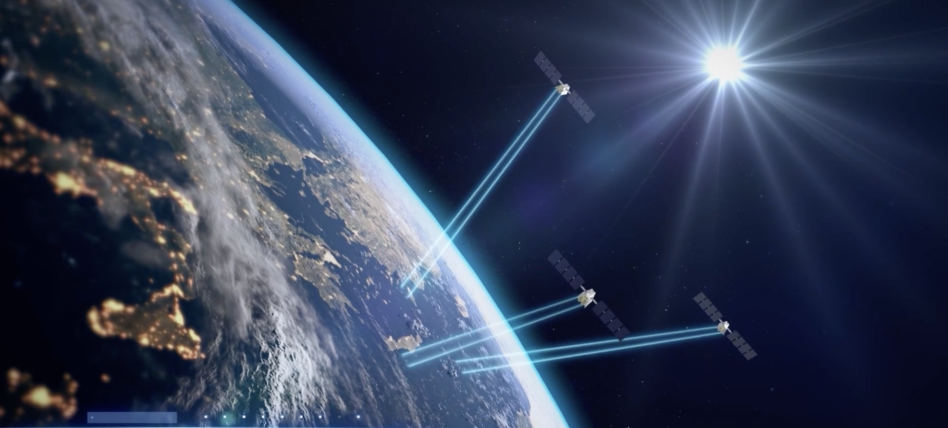
Space is getting a new trade association, this time focused on representing NGSO satellite systems.
Amazon, Globalstar, Iridium, and Canada’s Telesat joined together to establish the SpaceConnect Association, which was announced this morning. As the only trade association for NGSO operators, SpaceConnect will engage with international institutions, governments, and industry stakeholders to promote a competitive, multi-provider market as well as global access.
David Redl, former head of the National Telecommunications and Information Administration, will serve as the group’s executive director. Julie Kearney, the first chief of the FCC’s Space Bureau, will join as general counsel.
Keep reading