


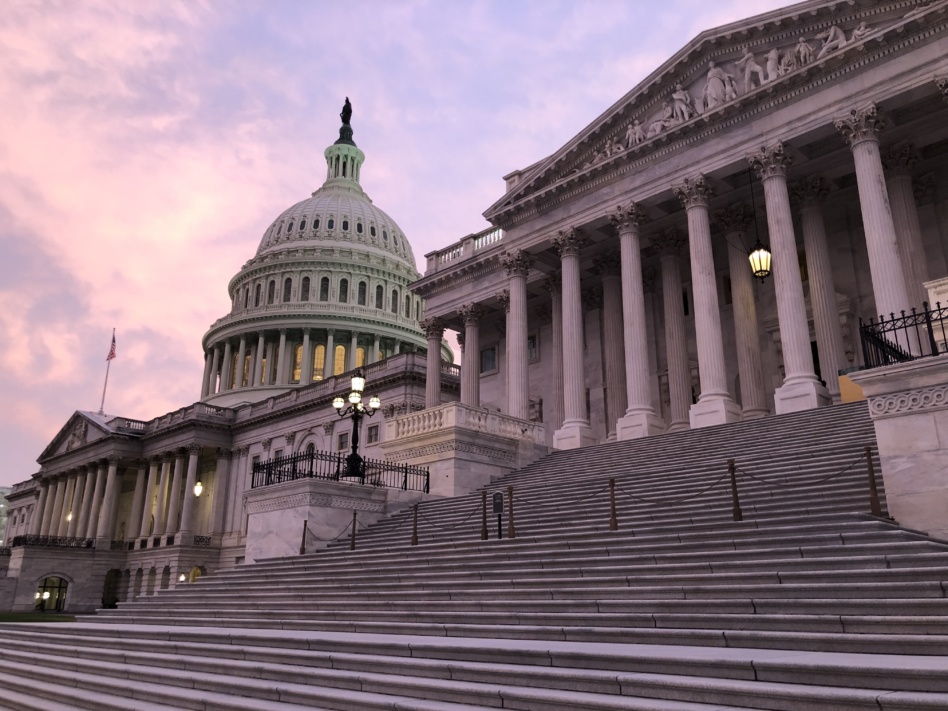
Meghan Allen is tired of hearing that policymakers don’t have a stake in space.
At a holiday party last year, the Space Foundation’s senior vice president of Washington operations was bombarded with staffers saying, “I love space, but my boss has nothing to do with space.”
“I don’t care what way you look at this,” she told Payload. “Farming, national security, commercial—whatever angle you take, space affects us every day.”
A DC foothold: The Space Foundation hired Allen as its first SVP for Washington operations in January in a bid to boost its presence in the nation’s capital and spread the importance of space across the government, said Heather Pringle, the non-profit’s CEO. Allen’s team has since grown to six people working with Congress, the DoD, and other agencies on issues that are important to the entire space industry.
What it’s not: Don’t call the Space Foundation’s work lobbying. Pringle and Allen were both clear that they are taking a different angle from trade groups in DC, which often support legislation and circulate papers advocating for a specific company and portion of the industry.
Instead, the Foundation’s plan is to act as a convening power in DC, educating officials across the government about space, providing a foundation of basic knowledge that allows space companies not to have to start their discussions with policymakers and regulators at square one.
“It’s about educating non space people to have them understand they are all space people,”Allen said. “We serve the mission of engaging with a diverse group of stakeholders across the community to be a little bit more knowledgeable….We tend to leave out all those other people beyond authorizers and appropriators.”
What’s next: Education on Capitol Hill is first up for the foundation, but the plan is to extend those sorts of opportunities around DC to help officials at the FCC, FAA, Commerce Department, State Department and beyond understand how space affects their missions, Allen said.
“People need to be on the same wavelength,” she said. “We want to bring our space 101 messaging to all stakeholders…so we’re starting from the same sheet of music.”

Congress Seeks Answers On Starlink Disruptions in Ukraine
“The United States government has a fundamental obligation to protect American personnel serving overseas,” the senators wrote. “The possibility that American personnel were endangered by preventable disruptions, inadequate coordination, or decisions made by their own government demands immediate scrutiny and accountability.”
Velos’ Election Day Tracker for Space
Space may not be top of mind when voters head to the ballot box, but Election Day outcomes still have a big impact on US policy and funding above the Kármán line.
Colorado Springs, Huntsville Team Up on Golden Dome
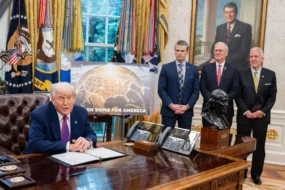
“It’s a transformed relationship between Colorado Springs and Huntsville,” Rep. Jeff Crank (R-CO) told Payload. “When I took office, I don’t think it was a bad relationship, but it was one where both communities were kind of looking over their shoulder at the other. That wasn’t good for America, and I don’t think it was good for Colorado Springs or Huntsville either.”
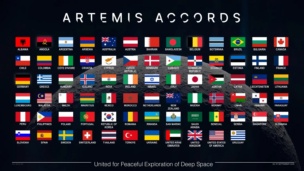
Artemis Accords To Meet on Lunar Debris, Emerging Space Help
The Artemis Accords Principals’ Meeting in Turkey will be led by NASA Deputy Administrator Matt Anderson and Maj. Gen. Roberto Melgar Sheen, director of the Peruvian Space Agency.

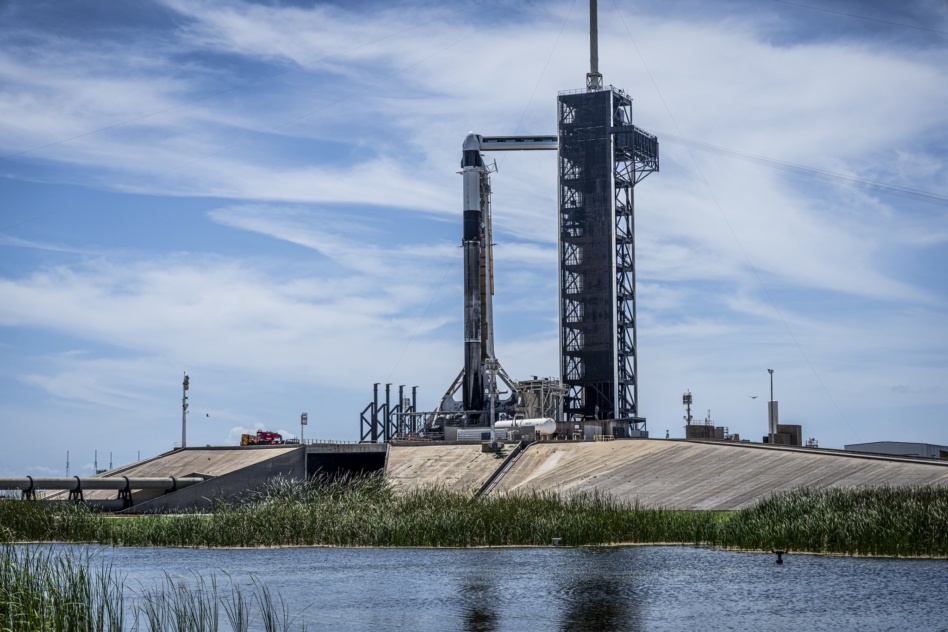
The FAA fined SpaceX $633,009 last week for procedural violations in the lead-up to two 2023 launches—a rare instance of the agency penalizing companies for violating a launch license.
The FAA declined to comment on an ongoing enforcement action, but SpaceX gave its side of the story in a letter to lawmakers: Basically, the company told the FAA about all these changes in advance, and the FAA didn’t make them stop.
While Elon Musk has threatened to sue the FAA, a person familiar with these regulations (and not employed by SpaceX) thinks the company could see the fines lifted by making its case directly to the FAA.
Keep reading