


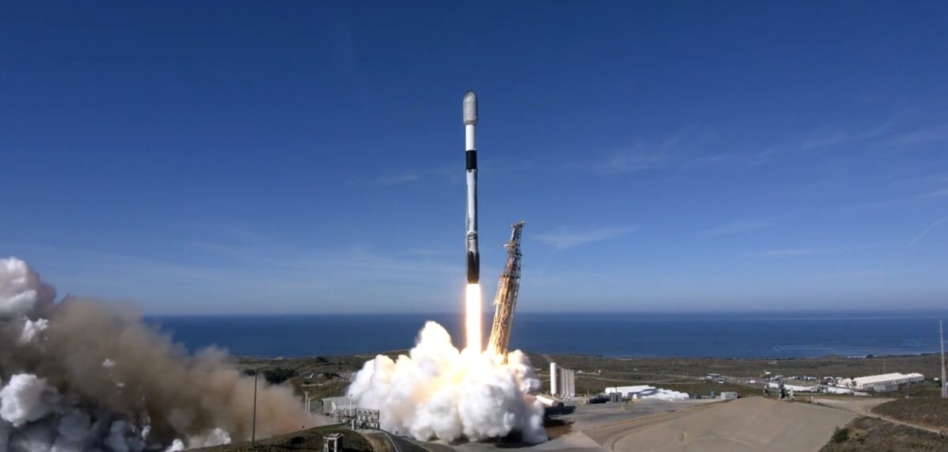
It turns out Transporter-9 deployment didn’t go as smoothly as planned for some passengers. Momentus ($MNTS) announced last week that three of the five satellites it had carried failed to deploy from the third-party deployer it used for the mission, and are now presumed lost.
“Based on the results of a detailed investigation undertaken, the company does not believe those satellites were released from the third-party deployer system,” the company said in a statement.
What’s lost? The three satellites that did not deploy, according to previous reports on the mission manifest and a little power of deduction, are:
- The AMAN-1 EO satellite for Poland’s SatRev
- JINJUSat-1, an EO satellite for South Korea’s CONTEC
- The Picacho tech demonstrator for Lunasonde
SatRev is having particularly bad luck on the road to orbit—this is the second AMAN satellite that never made it, after version 1 flew on a failed Virgin Orbit launch this year. Two IoT demo satellites for Hello Space successfully deployed to orbit.
Mea culpa: Momentus didn’t use its in-house Vigoride tug for Transporter-9 because the satellites flying didn’t need extra delta-V or maneuvering after launch. Instead, it tapped an unidentified third-party deployer. Momentus and SpaceX are still working on investigating the cause of the failed deployment.
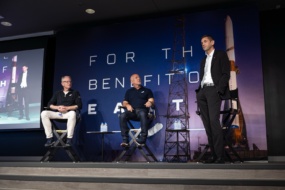
Blue Origin Commits to Return to Flight This Year
After assessing the damage to the launch pad and the surrounding infrastructure, Blue Origin CEO Dave Limp posted on X that Blue Origin “will fly again before the end of this year.”
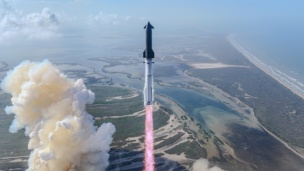
SpaceX Launches Starship V3 for the First Time
SpaceX launched its Starship V3 launch vehicle for the first time on Friday, unveiling a full suite of upgrades during the rocket’s twelfth test flight.
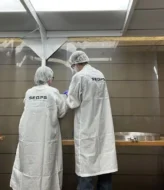
SEOPS Will Start Waymaker LEO Rideshares In 2028
The rideshare is designed to launch time-sensitive or non-standard payloads that can’t be accommodated on existing rideshare options.

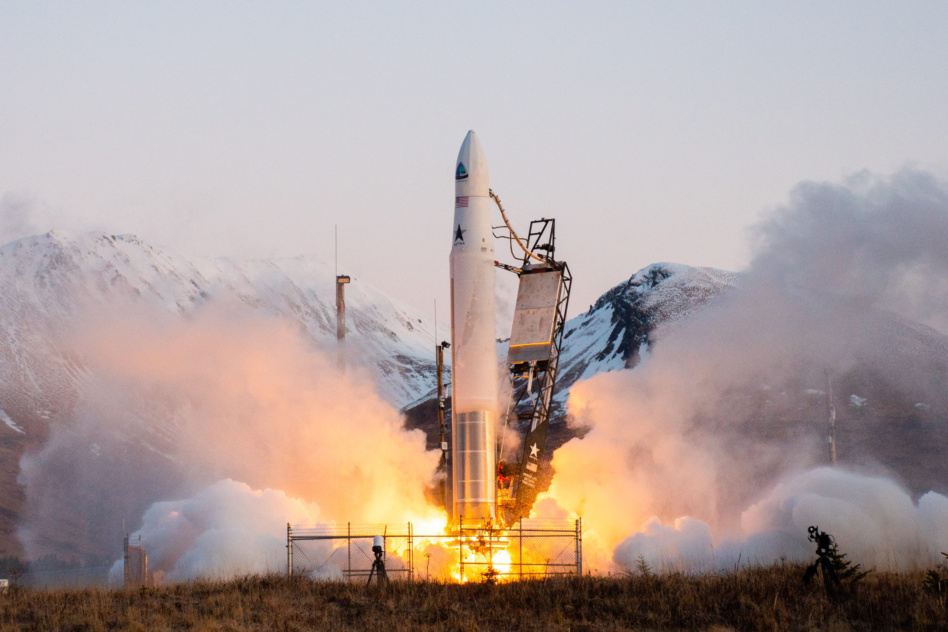
The US Government Accountability Office (GAO) says the FAA should improve its procedures when things go awry in spaceflight. The federal agency watchdog published a report yesterday that called on the FAA to develop tools to 1) define criteria for when a mishap report is operator-led, and 2) better evaluate the effectiveness of the process as a whole.
“Without a comprehensive evaluation of its mishap investigation process, FAA cannot be assured its process is effective, especially given the expansion of commercial space operations in recent years,” the GAO report said.
The FAA’s Office of Commercial Space Transportation is responsible for issuing launch licenses and investigating flight mishaps.
Keep reading