


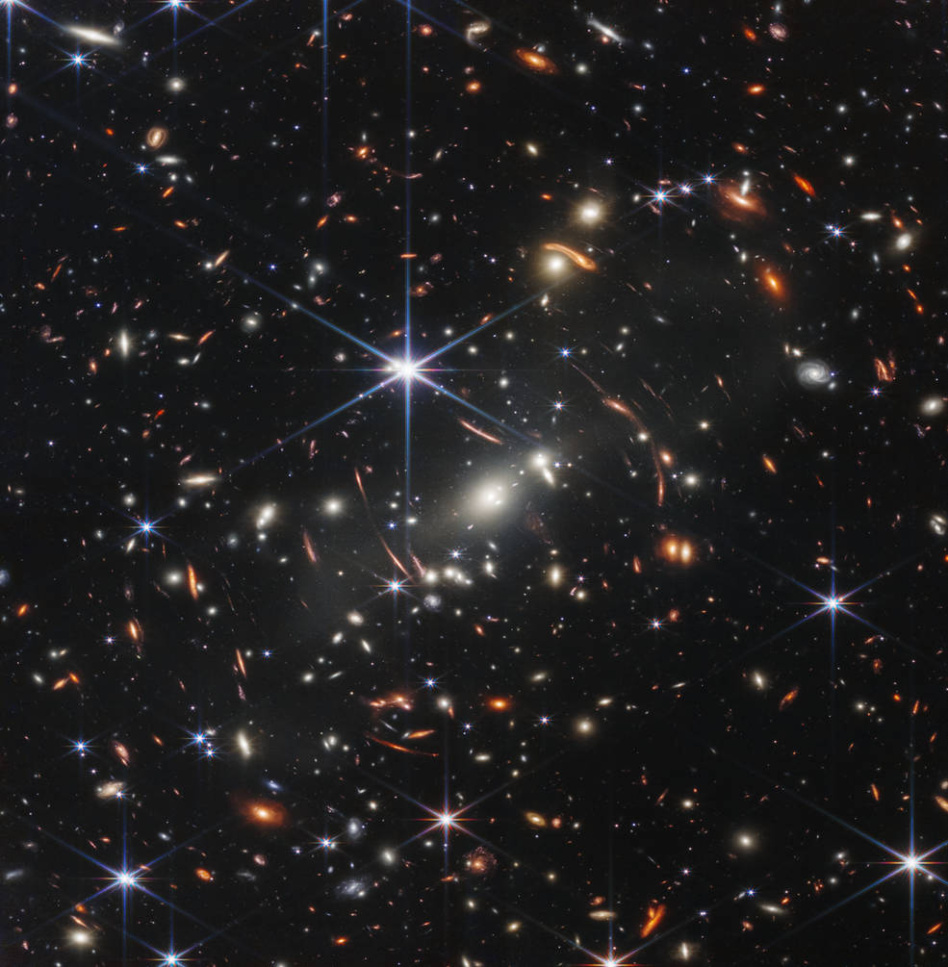
Standing alongside NASA Administrator Bill Nelson, President Biden and VP Harris unveiled the first image from the James Webb Space Telescope (JWST) of galaxy cluster SMACS 0723, taken by Webb’s Near-Infrared Camera.
After enough of a delay to fill Space Twitter™️ with nervous laughter, the image revealed the deepest and highest-resolution infrared view of the universe ever captured. The picture shows an astonishing number of galaxies as they appeared 4.6 billion years ago from an area of universe about the size of a grain of sand held up at arm’s length. It took 12.5 hours of capturing images at different wavelengths of light to produce the composite image.
But wait, is it early? NASA surprised all those patiently waiting for July 12 with a weekend announcement that POTUS would reveal the first JWST image a day early, at COB Monday. Nothing like a high-res infrared view of the universe to keep the Monday scaries away.
Context: The Biden Administration rarely discusses space issues despite Harris chairing the National Space Council. Does Monday’s event mark an exception to that rule or is the White House turning a corner?
At the event, Biden thanked the team at NASA and highlighted the value of increasing science and technology funding. “These images will remind the world that America can do big things and remind the American people, especially our children, that there is nothing beyond our capacity. We can see possibilities no one has ever seen before. We can go places no one has ever gone before.”
The rest of the initial images will be released as planned, July 12 at 10:30am Eastern.

DOE Announces $400M for Frontier Science Research
The Department of Energy is super-charging research into bleeding edge energy tech.
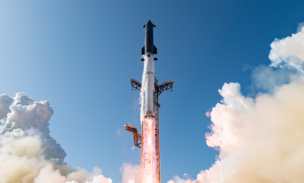
Exclusive: Exolaunch Books its first Starfall Mission
Exolaunch signed an agreement to support customer payloads on a SpaceX Starfall reentry mission scheduled to launch on a Starship NET 2029.
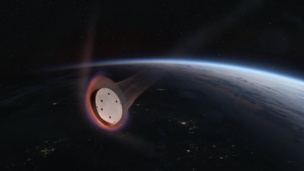
Exclusive: Space Cargo Unlimited Booked a Third of its Starfall Capacity
Demand appears to be skyrocketing, thanks to a new wave of pharmaceutical companies and researchers realizing that microgravity can provide benefits in drug discovery and research.
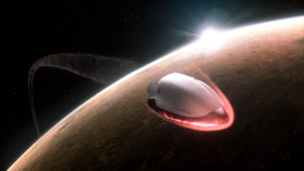
Inversion Space Wins NASA Contract to Study Aerocapture Flight
NASA announced today it awarded Inversion a contract to study a new method of interplanetary travel which uses a planetary body’s atmosphere to slow incoming spacecraft looking to enter into orbit.

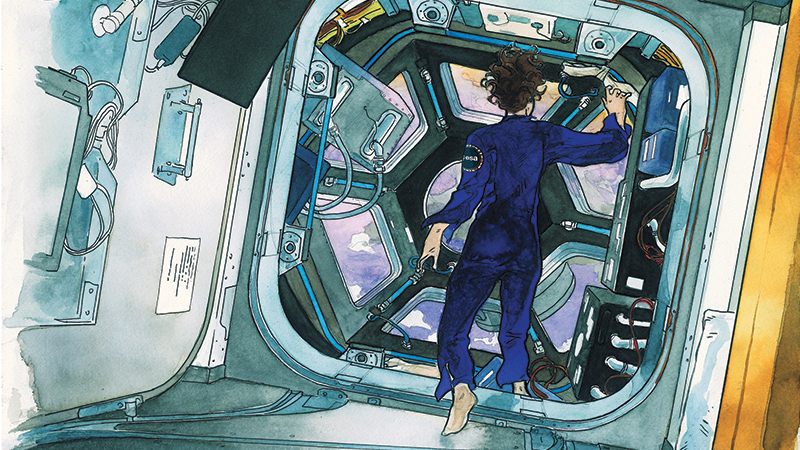
ESA has confirmed that its astronaut selection process has entered the fourth phase. This is only the third time the agency has recruited new astronauts, with the last round occurring between 2008 and 2009.
The current phase of ESA’s astronaut selection process will see candidates go through a medical evaluation to assess their health and physical capabilities.
Europe’s current astronaut candidate selection process takes on a new meaning compared to those previously conducted by ESA, each of which followed a similar phased selection process. In a world’s first, ESA opened up the call to astronaut candidates with physical disabilities, which the agency is calling “parastronauts.” 247 applications were received for this call, with 27 being invited to phase two. It’s unclear if any of the 27 are still in the running.
Keep reading