

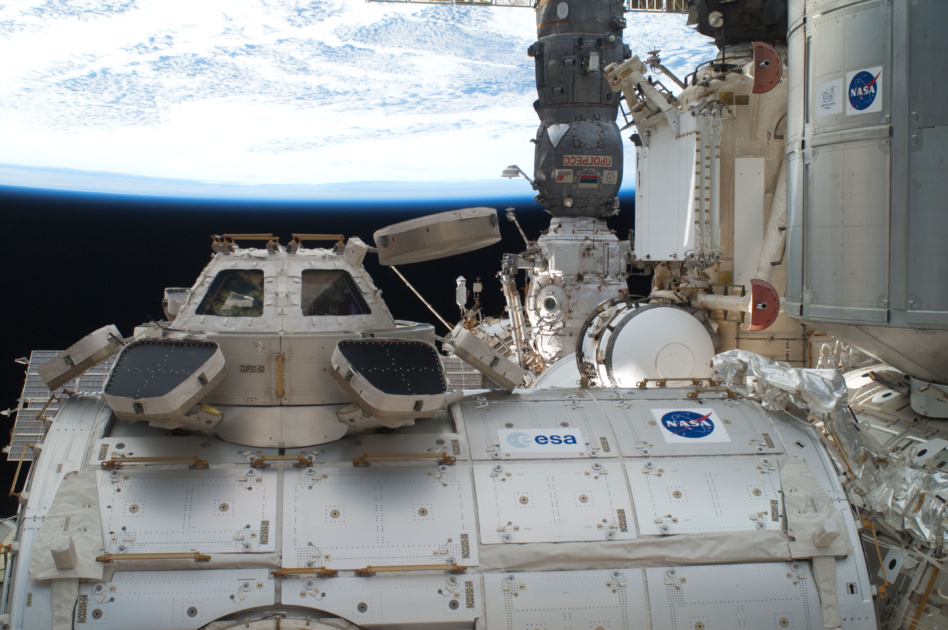
SpaceX wouldn’t exist without the International Space Station: NASA’s need for an uncrewed cargo vehicle to supply the orbiting lab gave SpaceX the focus and funding it needed to develop the Falcon 9.
It’s fitting, then, that NASA has entrusted Elon Musk’s company with the station’s (planned) destruction.
Buy to burn: NASA will pay SpaceX $843M to develop the US Deorbit Vehicle, which will be capable of pulling the station to a controlled demise in the Pacific Ocean. Unlike most SpaceX projects, NASA will own and operate this vehicle until it meets its end along with the ISS.
Right now, NASA and partners JAXA, CSA, and ESA plan to operate the station through 2030, while Roscosmos has only committed to participating through 2028.
The space agency didn’t say if any other contractors had bid for the job, but the capabilities required would likely limit potential competitors to those already operating high-energy propulsion systems in orbit. It’s also not clear what SpaceX’s vehicle design will be, but one obvious candidate is Starship.
Reference material: While much of the station is upgradeable, NASA engineers are most concerned about the primary structure of the station, which can’t be easily replaced, but has borne the brunt of decades of spacecraft dockings and thermal stress.
The agency released a summary analysis on Wednesday that led to this concept of operations—briefly, the ISS is too big to simply leave its reentry to chance, since it could threaten people on the ground, or to boost to a permanently higher orbit, where debris is a bigger problem. It’s too complex to disassemble, and too old to be usefully repurposed.
The agency says there is a chance that the station will remain operational past 2030, particularly if commercial alternatives aren’t yet available in orbit, and NASA is working on plans to support ongoing operations while keeping the deorbit vehicle waiting in the wings.
Quotable: “NASA’s Orbital Debris Program Office calculates that the complete destruction and/or fragmentation of the 420-ton space station while in orbit would generate approximately 220 million pieces of debris greater than 1 mm in size. The current estimate of the total amount of debris in Earth orbit 1 mm and greater is about 100 million pieces.” Yikes.
NASA Outlines the Details of Artemis III and IV Missions
NASA still wants to return US astronauts to the Moon in 2028. Today, officials shared a progress update on their efforts, as well as the finer details of the mission plans for Artemis III and IV, targeting flights in 2027 and 2028, respectively. Long story short: NASA remains confident it can meet the timeline for…
UKSA Taps ClearSpace for Country’s First Debris Removal Mission
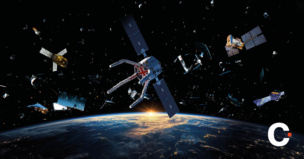
The UK Space Agency is dressing up as a waste-management company for Halloween.
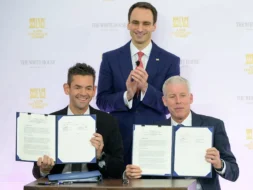
NASA Signs Space Nuclear Pact, Says Moon Base Is Ahead of Schedule
Isaacman gave updates at the White House’s “Science: A New Golden Age Summit.”
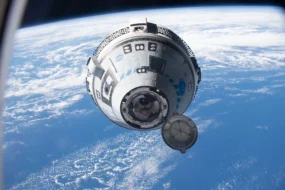
Starliner Targets Uncrewed Flight NET December, Crewed Follow Up in 2028
NASA and Boeing officials announced Monday that they have upgraded and redesigned Starliner following a dicey crewed test flight in 2024, which left NASA astronauts Butch Wilmore and Sunita Williams stuck on ISS for nine months.

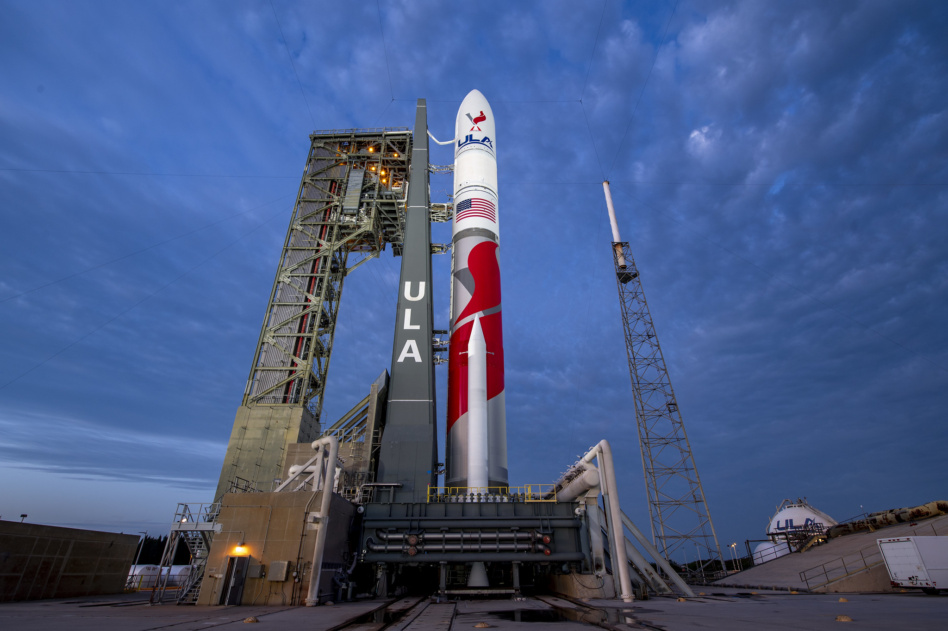
ULA’s Vulcan Centaur rocket will launch on its second certification in early September without the Dream Chaser space plane aboard, the company announced Wednesday.
The change comes six weeks after DoD raised concerns about Vulcan’s readiness to fly national security missions after a series of delays and called for an independent review team to investigate how to speed up ULA’s launch tempo.
However, Sierra Space’s Dream Chaser—which was expected to fly for the first time on the Vulcan launch—will remain behind after the company informed ULA it would not be able to make the launch date. Instead Vulcan’s payload will be an inert mass simulator and instruments to run tests on the rocket’s capabilities in orbit.
Keep reading