

The FCC announced last week that it will consider a proposal on Aug. 6 to allow unlicensed Part 15 wireless devices to communicate directly with satellites.
More than $40B has moved through D2D spectrum deals since 2024, from SpaceX’s $19.6B EchoStar spectrum purchase to the Amazon-Globalstar and Rocket Lab-Iridium acquisitions. The new FCC proposal would open more than 225 MHz of unlicensed spectrum—over three times what SpaceX bought—for free.
Unlicensed devices: The spectrum the FCC wants to open was never anyone’s to sell. Part 15 governs devices that operate without a license—think Wi-Fi routers, Bluetooth speakers, garage door openers, and smart meters. Rather than applying for spectrum rights, these devices simply comply with technical limitations.
The nitty gritty: The proposed rulemaking would:
- Open more than 200 MHz of unlicensed spectrum to uplink transmissions to satellites.
- Allow Part 15 devices already on the market to communicate with satellites through a simple firmware update without requiring new filings.
- Deny interference protection to satellite operators in these bands, even though they hold FCC licenses.
In short, the FCC is offering satellite operators free access to specific bands on the same terms as a Wi-Fi router: no license waiver or purchase required, but you can’t cause interference to authorized services—and you must accept whatever you get. Whether satellites can transmit back down to Earth remains an open question.
Who benefits: FCC Chairman Brendan Carr said the effort will open doors for next-gen tech ideas to flourish, but a few players would benefit right away:
- Hubble and Spire: Hubble Network needed a special waiver to use these bands and received one limited to infrequent use from a single US location. The FCC said its proposal could eliminate the need for exceptions like this. Spire holds a similar grant.
- Commercial space stations: Vast, which plans to host Wi-Fi access points and iPads on Haven-1, could get a standing rule for onboard devices instead of the case-by-case approvals NASA and the FCC use for the ISS.
- Other IoT constellations: Satellites could pick up signals from Bluetooth and other unlicensed IoT devices on the ground, without case-by-case FCC waivers. Use cases include asset tracking, precision agriculture, environmental monitoring, and emergency comms, which could reach satellites using sensors already in the field.
While nobody’s existing rights will be downgraded, a few players may fight the proposed changes:
- Wi-Fi incumbents: Particularly for downlinking, new satellite traffic in bands built for short-range devices could crowd out the routers and rural broadband links already using them.
- Existing D2D operators: SpaceX, AST SpaceMobile, Amazon, and Rocket Lab paid for D2D spectrum rights, and may argue for tight limits on the free alternative.
- Radio astronomers: More traffic at 2.4 GHz could disrupt sensitive observations that astronomers and spacecraft navigators depend on, a concern that already led the FCC to restrict satellite use elsewhere.
What’s next: If adopted, comments are due 30 days after Federal Register publication, and replies 60 days later. Formalized rules are likely a year or more out.
Payload Field Guide: NSSL
The Space Force added two new companies to its stable of launchers on July 8, bringing the military’s launch acquisition program to seven companies.
FCC Poised To Advance Sat Licensing Reform
FCC Chair Brendan Carr announced last week that the commission is expected to vote on the Space Modernization Order on July 22.

NASA Watchdog: Launch Infrastructure Nearing Capacity
NASA’s launch facilities will likely reach capacity by the end of the decade as the number of commercial launches continues to skyrocket, according to a report from the space agency’s inspector general released Monday.

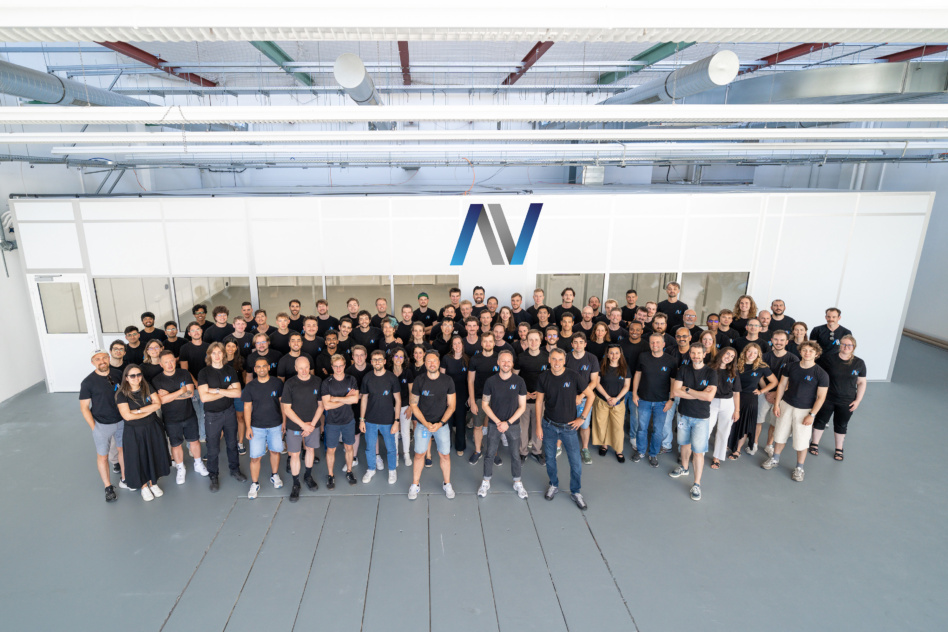
deltaVision, the German fluidic systems manufacturer, announced a €10.2M ($11.6M) funding round today to expand the company’s manufacturing capacity and accelerate development of hardware for in-orbit refueling capabilities.
KT Ventures and Valemount Capital—which extended a ~€1.2M ($1.37M) convertible loan to deltaVision ~1.5 years ago—co-led the round, which included additional participation from Futury Capital and other undisclosed sources.
Going global: deltaVision plans to use the new capital to fund two parallel expansion efforts, according to CEO Alex Plebuch:
Keep reading