


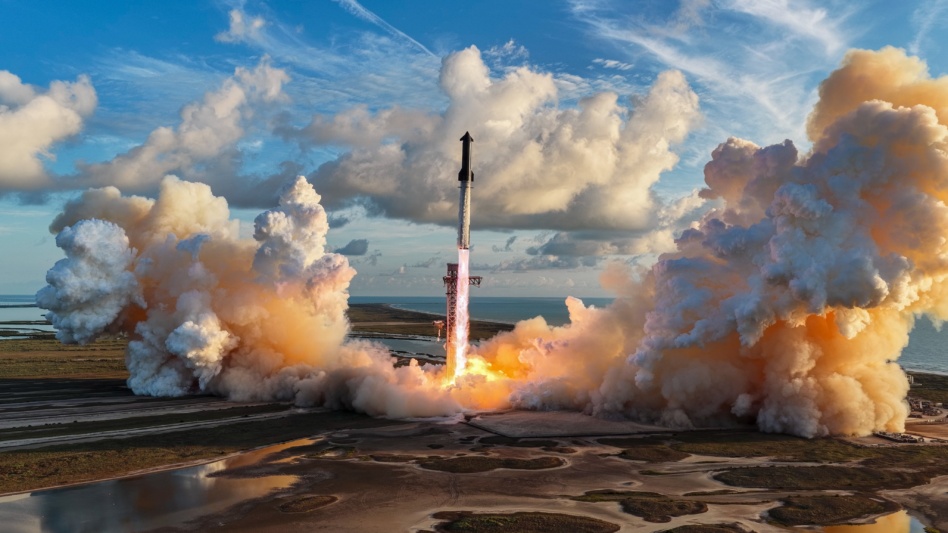
SpaceX’s Starship reached orbit for the first time Monday morning.
Flight 14 was the first operational mission for Starship. That’s good news for many in the space industry, who are planning their missions around the capacity offered by the spacecraft.
Flight details: Starship lifted off from SpaceX’s Starbase, TX launch pad at 8:48am ET. During its ascent, the ship lost one of its six engines, briefly putting SpaceX’s orbital ambitions in doubt as engineers double-checked that the ship was in tip top shape for orbital insertion.
However, engineers ultimately decided to go since the ship didn’t need the lost engine again, and Starship entered orbit ~25 minutes after liftoff.
Meanwhile, the Super Heavy booster made a controlled splashdown in the Gulf roughly seven minutes after liftoff. The booster failed to relight all of its engines as was planned during descent, repeating a recurring issue despite SpaceX’s hardware and software fixes after past flights.
What’s onboard: After reaching orbit, Starship deployed 26 V3 Starlink sats over about 30 minutes using its ‘Pez dispenser’ system.
- The V3 sat series debuted on Flight Test 13, but were on a suborbital path and deorbited shortly after.
- Monday’s batch of Starlink is the first to be deployed by Starship that will join the full satellite broadband constellation and conduct normal operations—potentially within weeks, according to SpaceX.
- Three of the sats carried cameras to photograph Starship’s heat shield post-deployment.
- Future Starship flights will be able to hold up to 60 V3 Starlink sats.
Monday’s 26 sats add roughly 10x the capacity of a Falcon 9 Starlink launch, according to SpaceX, and a full 60-sat Starship load would equal about 20x V2s. Musk said on X that all 26 satellites were deployed and “operating nominally.”
Splashdown: Flight 14 was scheduled to orbit Earth for nearly 10 hours, but the SpaceX team decided to deorbit Ship early—after just shy of two orbits—without providing a reason.
After a brief deorbit burn using a single Raptor engine, Starship reentered the atmosphere, splashing down north of Hawaii just before noon ET and breaking up shortly after.
Rinse & repeat: While SpaceX has successfully caught and reused the Super Heavy Booster, one milestone still on the horizon is catching and reusing the Starship upper stage. Successfully recovering both will be critical for achieving full reusability and meeting SpaceX’s ambitious flight cadence goals.
At the All-In Summit this month, Musk suggested that the next flight could see an attempt to catch Ship via “chopsticks”—estimating the likelihood of a successful first catch is at least 50% to 60% if Flight 14 went well.
This story has been updated to include additional details on the flight’s reentry, splashdown, and next steps.

RATLOG Wants to Cut ~90% of a Rocket Engine’s Parts
The heavy-lift rocket startup debuted on Y Combinator as part of the Fall 2026 batch.
Reflect Orbital Buys Two Skyroot Aerospace Launches
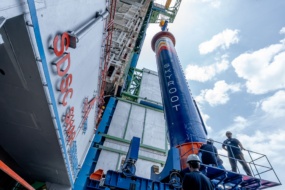
Reflect Orbital announced the purchase of two launches today from Indian launcher Skyroot Aerospace.

DOT Proposes Changes to Part 450 Licensing Rules
On Tuesday, Transportation Secretary Sean Duffy announced five proposed FAA rules aiming to streamline and modernize commercial space launch and reentry regulations.
Skyrora Shifts Orbital Launch Timeline to 2030
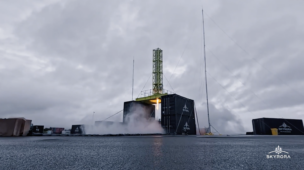
First-mover advantage isn’t all it’s cracked up to be—at least, that’s the thought process for UK launcher Skyrora.

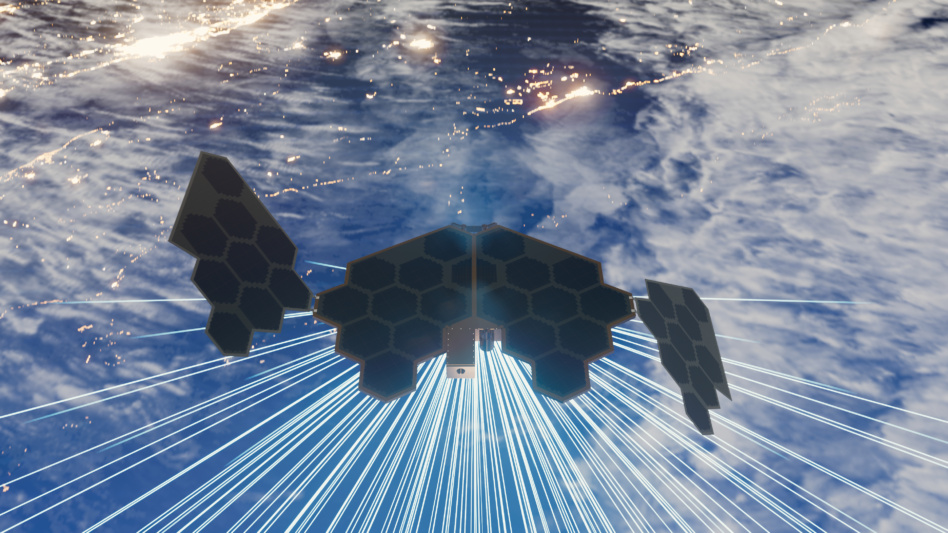
SpinLaunch, the CA-based startup best known for its development of a kinetic launch system, has been working on satcom technology since 2020—under a unit later called Meridian Space.
As of today, those business lines are going their separate ways.
“SpinLaunch and Meridian Space are separating into two independent companies,” Meridian Space CEO Massimiliano Ladovaz told Payload. “Meridian will carry forward the satcom infrastructure business…SpinLaunch will continue to build on its vision for a lower-cost approach to launch, with further applications in hypersonics to support the Golden Dome program and in the lunar economy.”
Keep reading