


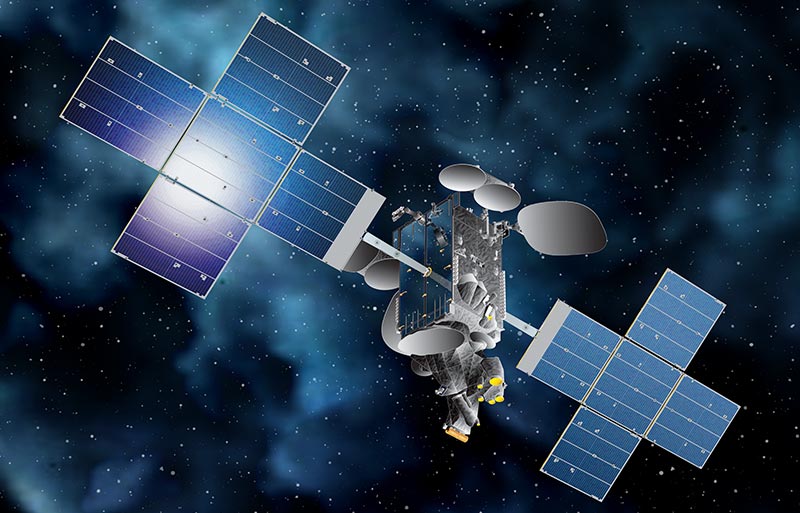
The first rule of Debt Club: You do not talk about Debt Club.
Telesat CEO Dan Goldberg stuck to it on Thursday’s Q3 earnings call, telling analysts the company was “pretty constrained” in what it could say about refinancing its legacy GEO debt.
C$2.4B ($1.7B) of that debt comes due on Dec. 6, leaving Telesat with five weeks to strike a deal. The same morning, its quarterly filing again warned of “substantial doubt” that its GEO business can stay afloat.
Telesat effectively runs two companies.
- Telesat GEO operates 12 aging geostationary satellites, brings in nearly all of the revenue, and owes the debt.
- Telesat LEO is building Lightspeed, the unlaunched 225-sat LEO network partially backed by a Canadian military contract worth up to C$2.3B ($1.6B).
Rule breaker: Telesat GEO owes ~C$3B ($2.1B) in debt maturing through October 2027, but holds just C$286.7M ($204.9M) in cash.
A lender group including Silver Point Capital, GoldenTree Asset Management, and Sound Point Capital Management has offered at least two rescue packages:
- The first offer came in August and the second—delivered Oct. 14—would repay lenders in full, plus accrued interest, through C$1.7B ($1.2B) in new equity and a C$1.5B ($1B) loan.
- Existing shareholders would be invited to buy the new shares at C$31.50 ($22.52), about half the stock’s price at the time.
Telesat has acknowledged both offers, but hasn’t negotiated on their terms, a source told The Globe and Mail. The company says it’s seeking “good-faith engagement” with debtholders.
Missing the December payment would put Telesat GEO in default, and lenders could pursue its collateral, essentially all of its assets except Lightspeed. But the 1991 law that privatized Telesat Canada (now Telesat GEO) says no Canadian insolvency law applies to the company, and it can’t be wound up without an Act of Parliament, a provision no court has tested.
Firewall: In September 2025, Telesat moved 62% of Lightspeed into a subsidiary that doesn’t guarantee the GEO debt.
Lenders sued Telesat in January, alleging the move was a fraudulent conveyance meant to put Lightspeed beyond creditors’ reach. Telesat denies wrongdoing, and the claims are still unproven.
For now, the transfer built a wall around Lightspeed. Telesat says repayment of the GEO debt doesn’t extend past Telesat GEO’s guarantors, and that Lightspeed is fully funded on its own.
Shrinking ring: Telesat’s Q3 earnings illustrated how the legacy GEO business is shrinking faster than its replacement can come online.
- GEO revenue fell 21% to C$79M ($56M) as broadcast contracts lapsed and older satellites were retired, while Lightspeed’s backlog has swelled to C$5.6B ($4B).
- Full global Lightspeed service slipped three months—to the end of Q2 2028—because the first two test sats won’t fly until a mid-2027 rideshare. Arctic service, including for the Canadian military, holds its start at the end of Q1 2028.

Virgin Galactic Unveils Apeiron, Delays Commercial Flights to Q2 2027
Virgin Galactic introduced Apeiron to the world on Wednesday, drawing from the ancient Greek concept of the boundless in naming its newest spaceship.
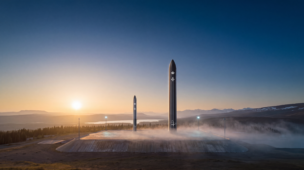
Reaction Dynamics Targets 2031 for Borealis Medium-Lift Launch
In the contest to build up commercial launch capabilities in Canada, Quebec-based startup Reaction Dynamics has entered a new weight class.
BlackSky Renews HEO Deal, Adds Gen-3 Imagery for Space Domain Awareness
BlackSky Technology inked a seven-figure deal to extend its partnership with Australian non-Earth imaging (NEI) provider HEO for another year.
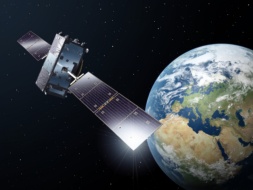
Europe’s Space Defenses Fall Just Shy of Weaponization
Europe doesn’t have any weapons in space—but that doesn’t mean the region is comfortable flying around in orbit defenseless.

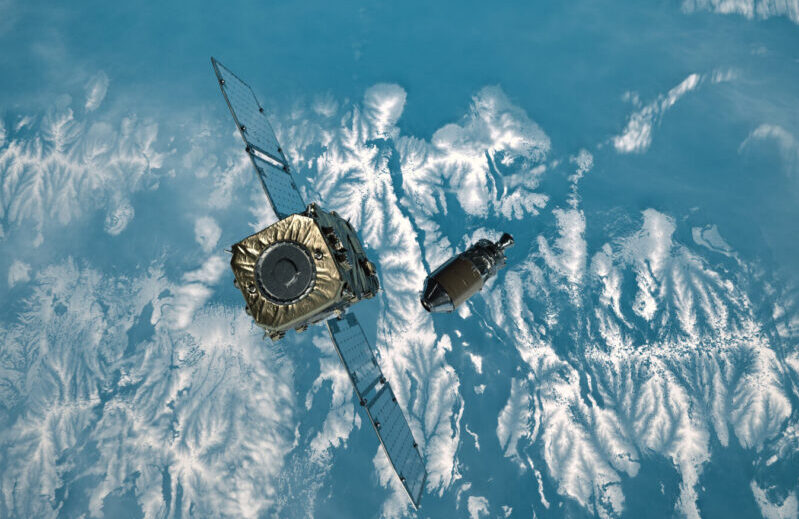
If the best defense is a good offense, then announcements in the European space sector this week are signaling that the region is preparing to move the ball upfield.
These announcements come in the same month as a Russian spy satellite got up-close-and-personal with an ICEYE sat operating over Ukraine. But European company officials told Payload that Europe’s urge to build up its in-space defense posture has been growing for years. That movement only recently turned from strategizing into action.
Fight training: Space has been home to spy satellites and military comsats since the early days of spaceflight. As national militaries become increasingly reliant on fleets of EO and comms satellites, however, it’s become obvious to military planners that assets in space can no longer simply observe and report.
Keep reading