


Gravity may be a tough opponent, but it’s got nothing on the unrelenting forces of public markets.
On Thursday, launch startup Astra ($ASTR) announced that it has requested additional time from Nasdaq to boost its share price and avoid a delisting.
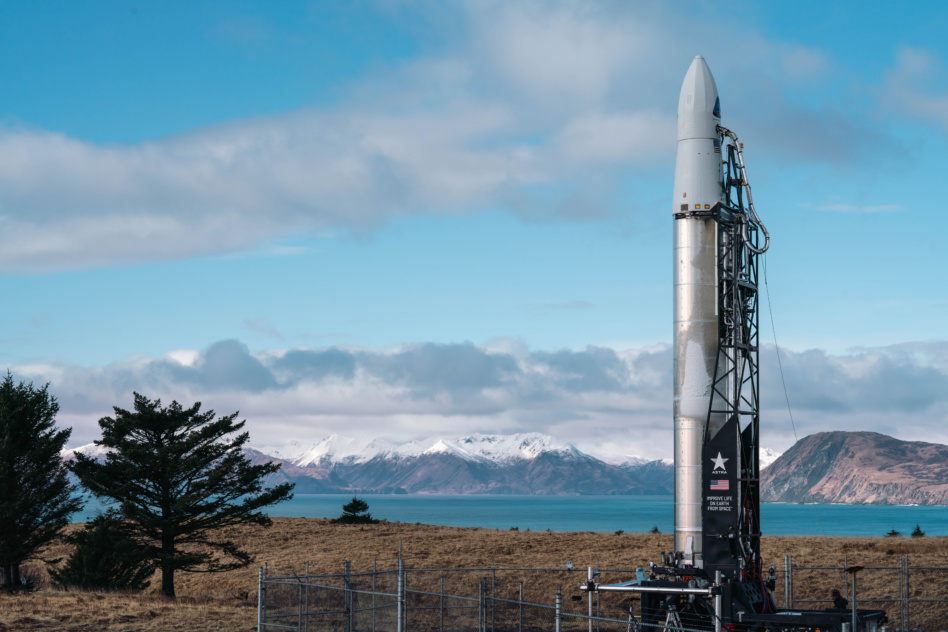
Astra’s road: Over the last couple of years, the Alameda, CA company has struggled to consistently reach orbit with its small launcher vehicle. After a mission for NASA failed last summer, Astra scrapped all its remaining flights for 2022; retired its 3.3 vehicle; and announced an accelerated development timeline for the larger Rocket 4.0.
- The public markets responded unfavorably, sending $ASTR down from a peak of $21.25 during the frothy height of the 2021 SPAC boom to just $0.42 as of this writing. That’s a 98% peak-to-trough decline, for those keeping track at home.
- On October 6, NASDAQ sent Astra a letter warning the company that it needed to bring the stock price over $1.00 or risk getting booted from the exchange.
Yesterday’s extension request, if granted, would give Astra 180 more days to boost its stock price. The company plans to clear $1 either organically through performance improvement or artificially with a reverse stock split.
“Based on our discussions with representatives of Nasdaq, we expect to hear back from Nasdaq regarding the status of our application on or around April 5, 2023, and we are not aware of any reason why our application would not be approved,” Astra CFO Axel Martinez said.
Bumpy week for launch companies: The Astra request comes just days after CNBC reported that Virgin Orbit, another public rocket company, was halting operations and temporarily furloughing nearly all of its employees and as it has similarly struggled to send its rockets to orbit.
The upshot: Astra and Virgin Orbit are deeply unprofitable, cash-burning machines in a public market that has lost patience for long-horizon businesses. With higher interest rates making it difficult to access additional capital, the two rocket companies face a steep climb to survive as publicly traded companies.
What to watch for: Astra will report Q4 at the end of the month. As for Virgin Orbit, expect to see some sort of update on the company’s future in the coming weeks.
Airbase Emerges From Stealth With $5M to Automate Spectrum Allocation
As demand for spectrum grows alongside the rising number of missions in orbit, a new startup is looking to ease management of this precious, finite resource.
Ramon.Space, Ingrasys Aim To Fly Prototype Orbital Data Center In 2027
There’s another entry in the space-data-center race.

Contrivian Launches New Product Bundling Amazon Leo & Starlink
Customers looking for satellite connectivity are often forced to choose between one provider or another. Those days are over.

Kayhan Space Launches Satcat Terminal
Business and liberal arts majors rejoice!


Earlier this week, Rivada Space Networks announced that Aalyria will help manage and optimize communications across its planned LEO constellation. Aalyria emerged out of stealth late last year, with a trove of valuable IP it acquired from Google parent Alphabet.
Last year, Rivada announced itself to the world with a splashy plan to build a networked 600-satellite constellation for enterprise and government users. The constellation will be connected via laser links and carry onboard data routers.
Rivada’s spectrum rights, secured in 2014, have a higher-priority designation than the broadband megaconstellations taking over LEO (Starlink, and eventually, Kuiper). If ever a conflict arises in determining who gets to send its data first, Rivada’s rights win out, ensuring its services remain efficient and resilient as competition and congestion grow.
Keep reading