
Lunar
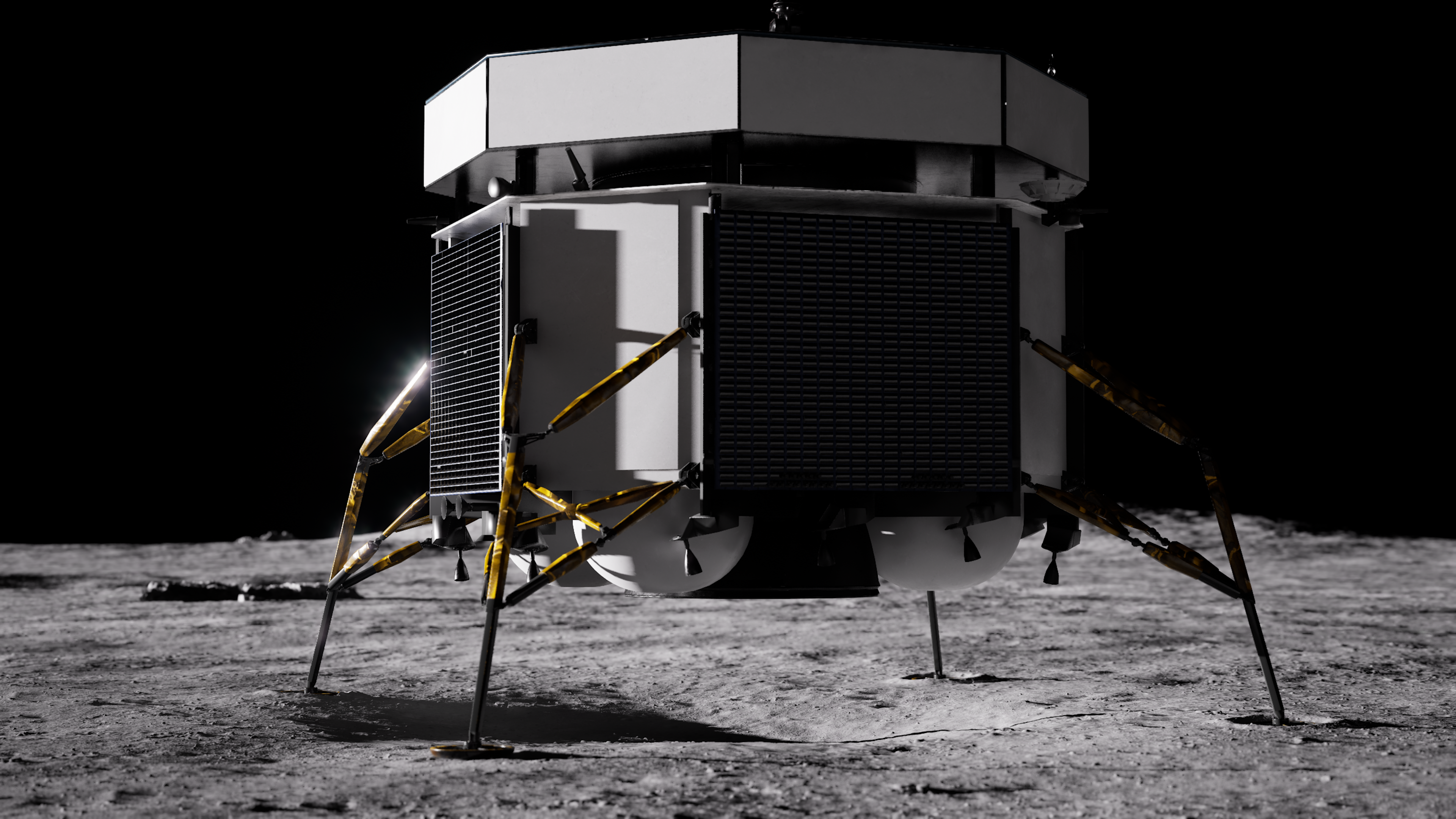
Stories about commercial, civil, and international missions on and around the Moon.
Q&A With Lunar Base Manager Carlos Garcia-Galan
At the start of last week, Carlos Garcia-Galan was working on NASA’s program for a lunar-orbiting habitat. Last Tuesday, however, he became the person overseeing the space agency’s ambitious plan to build a lunar surface base at record speed. During last week’s Ignition event at NASA HQ, Payload sat down with Garcia-Galan, the program executive…
With Artemis Changes, Europe is Left Holding the Bag
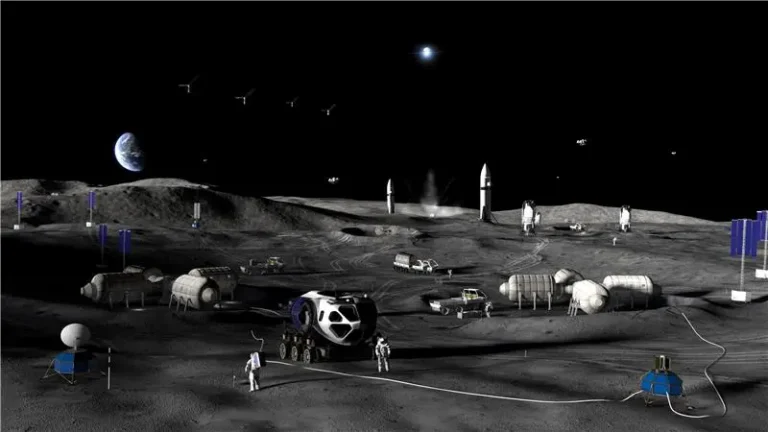
ESA and European space primes were developing many of the key components of the planned lunar orbiting station.
Isaacman Plans Monthly Uncrewed Lunar Landings In 2027
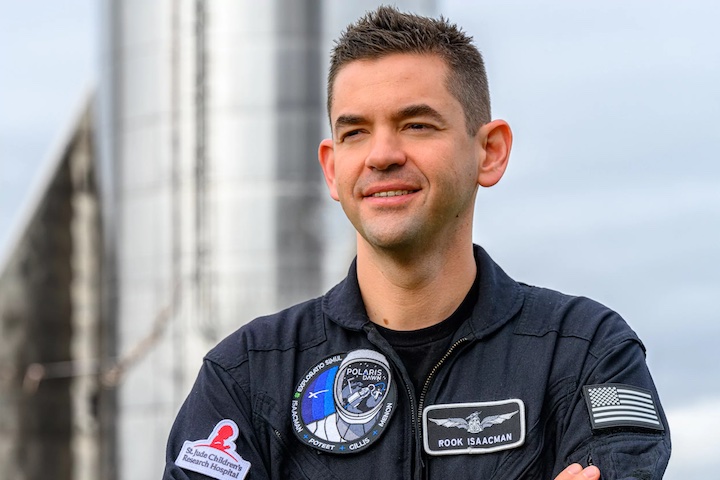
“We are going to plus up for Moon base construction in a huge way,” said during an interview with Spaceflight Now that was released late Friday night.
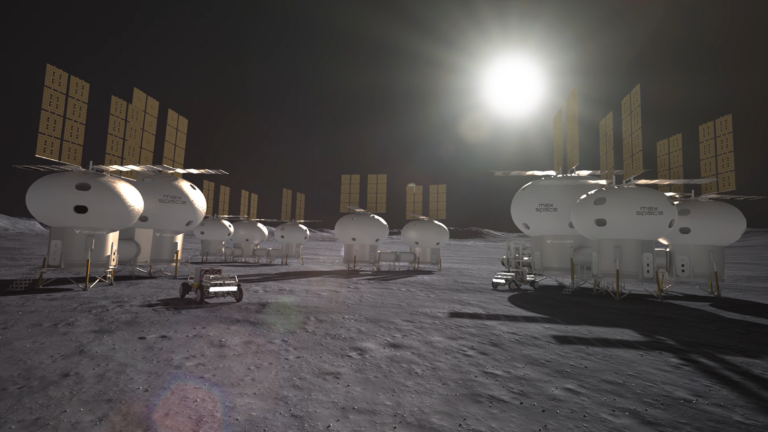
Voyager Invests in Max Space, Projects 2026 Revenue Surge
Last month, Max Space and Voyager announced they would collaborate on the design of an expandable lunar habitat.
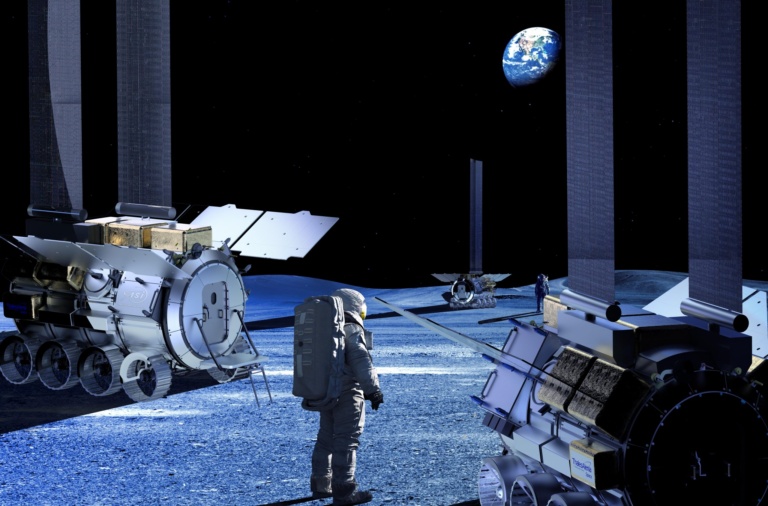
Astrobotic Wins Lunar Wheel Contract For Italian Habitat
The Pittsburgh, PA-based space firm won a contract of undisclosed value from Thales Alenia Space to contribute the wheels for Italy’s Multi-Purpose Habitation.
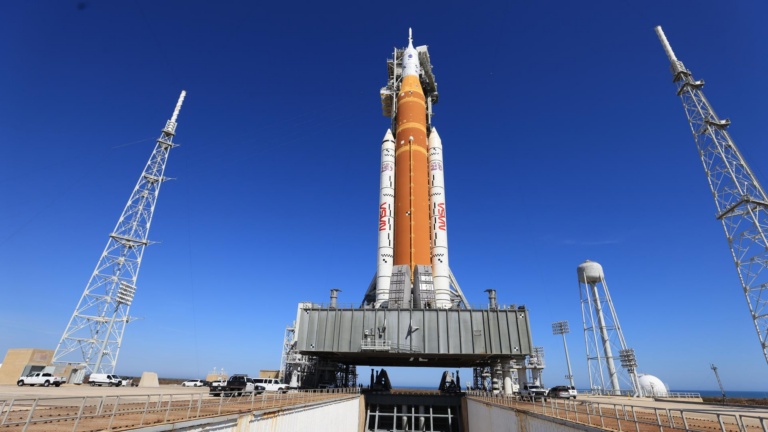
NASA Pushes Crewed Moon Landing to Artemis IV
The US path to the Moon shifted significantly on Friday, in what NASA Administrator Jared Isaacman called the “only way forward” for the American lunar program. Hit the gas: Isaacman announced multiple changes to the program, including: Timeline: In light of these structural changes, Isaacman announced a new timeline for the American return to the…
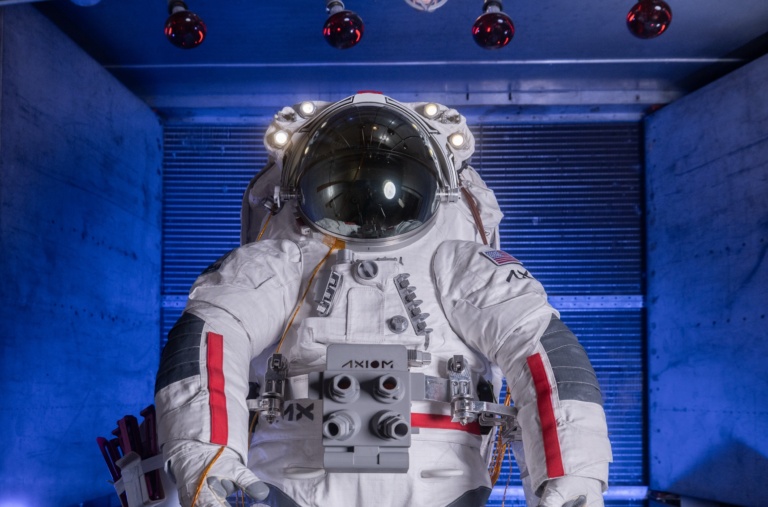
Axiom Space Raises $350M to Fuel Station, Suit Development
The company also confirmed that both pieces of hardware are on track to be ready in time to hit critical NASA deadlines.
Voyager, Max Space Team on Expandable Tech
“Expandable structures represent a step change in how surface infrastructure can be delivered and deployed,” Saleem Miyan, cofounder and CEO of Max Space, said in a statement. “Its architecture embodies increased capability, scalability, and versatility that are essential for sustained deep-space human activity, and to unleash the lunar and Martian economies.”

NASA Reaffirms Commitment to Lunar Nuclear Power This Decade
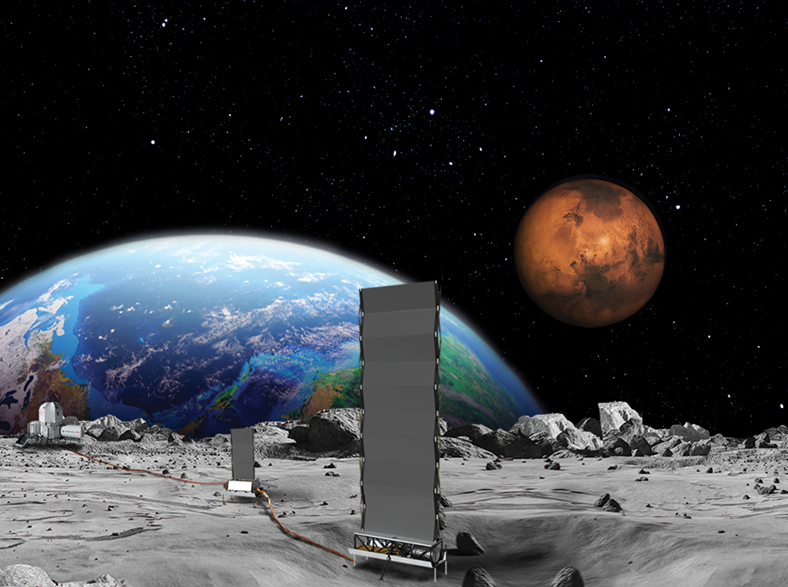
To keep the lights on through the night, NASA is exploring putting a nuclear fission reactor on the Moon’s surface. The idea has been around for years, but the agency appointed new executive leadership for the Fission Surface Power Project last year—and committed to seeing it through.
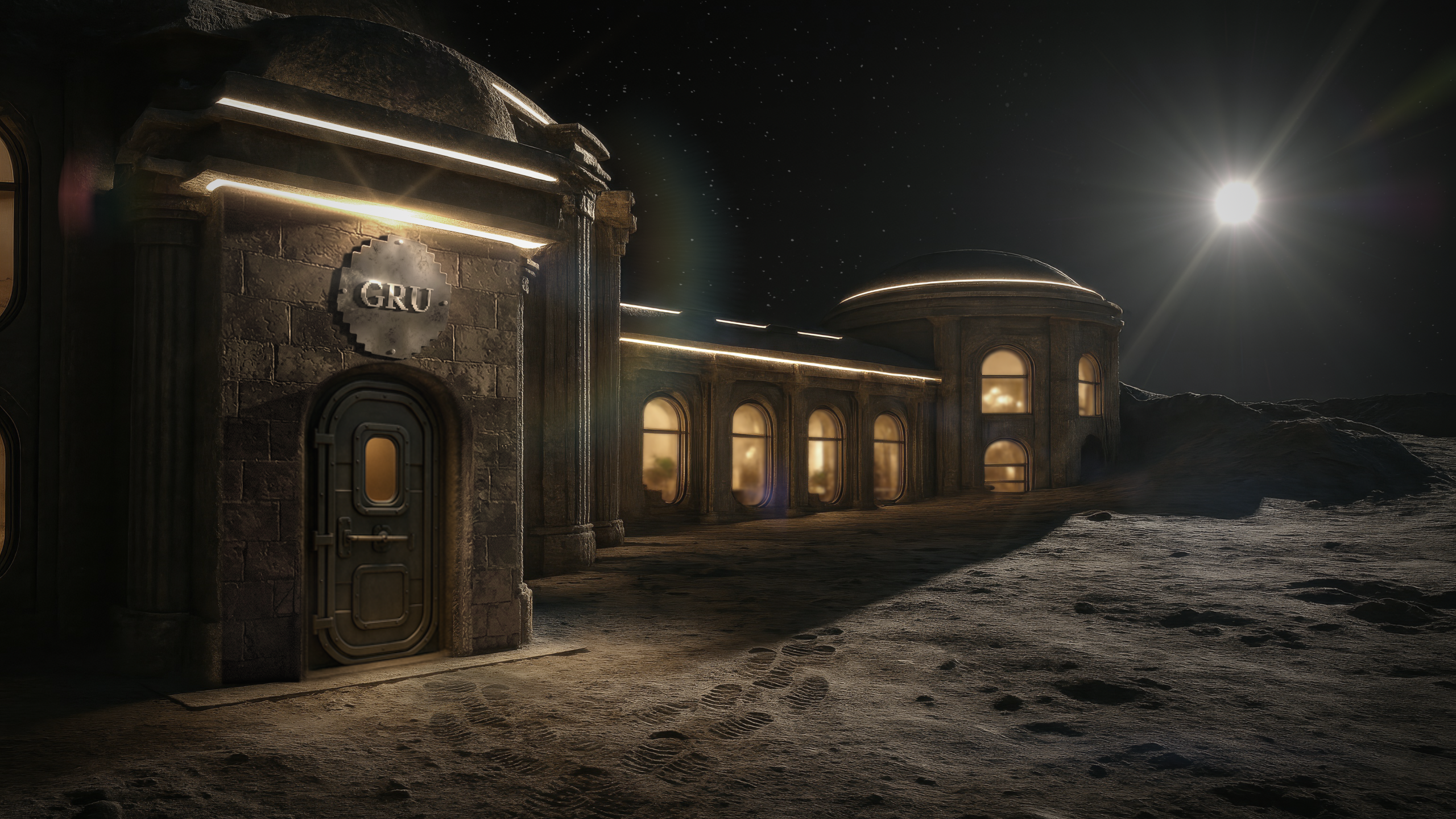
GRU Space Opens Bookings for Planned Lunar Hotel
Aspiring lunar tourists can place a $1M deposit to reserve a spot in the company’s planned lunar hotel, which aims to open its airlocks in 2032.
New UKSA Grant May Bring Fresh Air to Moon Astronauts and Their Rockets
No air on the Moon? No problem.

Sustaining Life on the Moon is Harder Than it Looks
Artemis requires scientists and researchers to find long-term solutions to the problems space creates for human health, replacing the short-term fixes that once sufficed.
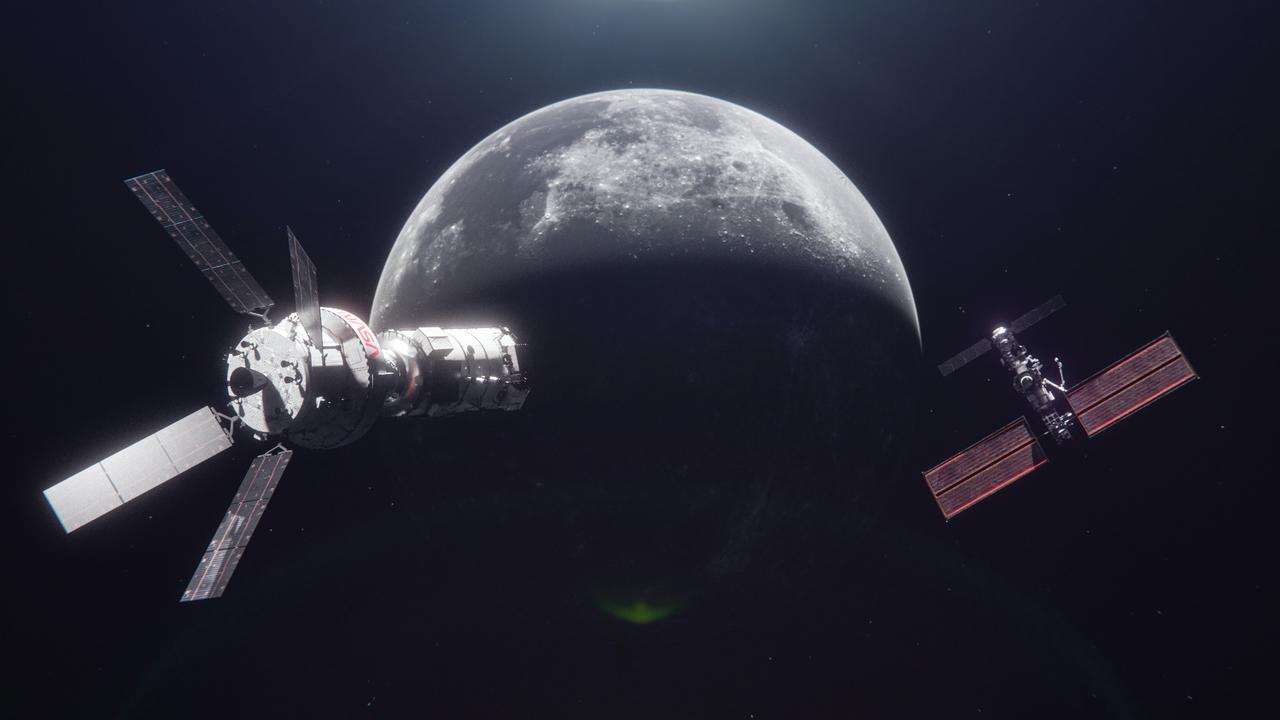
Thales Alenia Space Picks its Lunar Lander Team for Argonaut
It’s been almost a year since Thales Alenia Space’s Italian subsidiary won the initial ESA contract to build a descent module for a lunar lander. Getting down to the lunar surface will be a team effort, though, and on Friday the space firm announced it has picked its team.