


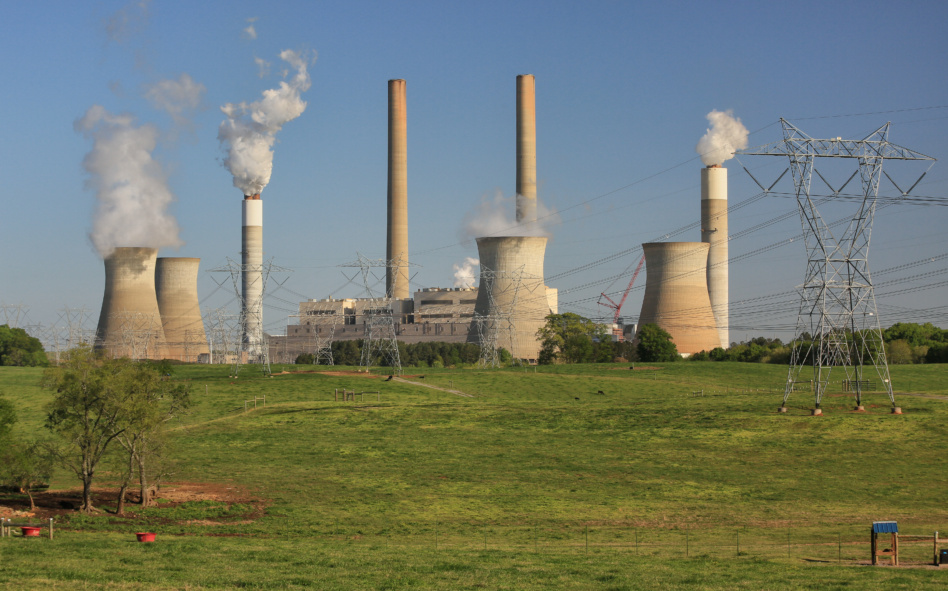
The Department of Energy is super-charging research into bleeding edge energy tech.
The DOE announced $400M in new funds yesterday geared toward advancing scientific research on basic energy science, fusion, and nuclear physics.
Light my fire: It’s been just over a year since the Trump administration and the Department of Government Efficiency cancelled or paused hundreds of millions of dollars in funds for scientific research, shutting down green-energy research projects.
Now, the administration is taking a different tact—promoting energy research as a pathway to securing technologies critical to the country’s future.
“Foundational research is where the breakthroughs that shape America’s future begin,” DOE Under Secretary for Science Darío Gil said in a statement. “Through this investment, we are empowering our nation’s researchers to pursue bold ideas, push the boundaries of discovery, and build the scientific foundations for tomorrow’s technologies—strengthening America’s global leadership in science and innovation.”
Far out: While the funds aren’t explicitly directed toward deep-space and in-orbit projects, they will have a huge impact on the future of the power-hungry space industry. The funds will support research into topics relevant to many next-gen space technologies, including:
- Advanced scientific computing;
- Biological and environmental topics;
- High-energy physics;
- Nuclear physics and fusion energy science;
- And nuclear isotope R&D and production.
Though these projects are funding terrestrial applications, NASA has shown its eagerness to translate new science—especially on the nuclear front—into an orbital or deep-space alternative.
Since taking the top job at NASA, Administrator Jared Isaacman has promoted a nuclear-powered future for NASA and the US space industry countless times, most recently at Payload’s Off World event in Houston.
“We have to recalibrate to the near-impossible,” Isaacman said at the event last week. “I’m talking billions a year—a comparable amount to our chemical-propulsion-type investments—into a nuclear NASA that extends America’s leadership farther into space.”
National Academies Rank Nonpolar Moon Sites
A new report from the National Academies ranks the top four non-polar sites for future crewed lunar missions.
State Department Taps Trio for $5M Space Diplomacy Push
At last week’s second annual US Space Forum, the US Mission to the International Organizations in Vienna launched Project Constellation, a $5M effort to build international space partnerships.
NASA Signs Space Nuclear Pact, Says Moon Base Is Ahead of Schedule
Isaacman gave updates at the White House’s “Science: A New Golden Age Summit.”

DOT Proposes Changes to Part 450 Licensing Rules
On Tuesday, Transportation Secretary Sean Duffy announced five proposed FAA rules aiming to streamline and modernize commercial space launch and reentry regulations.
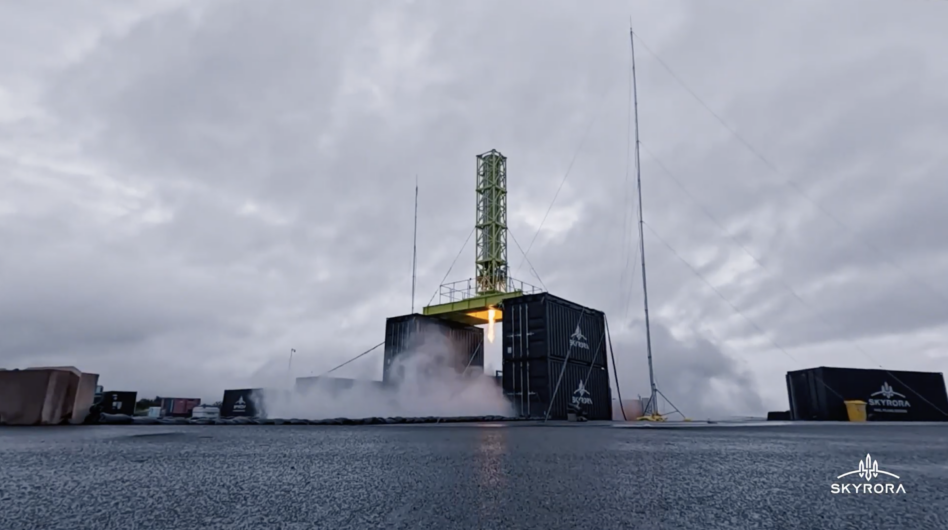
First-mover advantage isn’t all it’s cracked up to be—at least, that’s the thought process for UK launch startup Skyrora.
The company announced this week that it completed a 45-second hotfire test of a scaled-down version of the engine that will power the first stage of Skyrora’s orbital Skylark XL rocket. The test will inform the company’s development of the larger 70 kN engine, and Skyrora will use the data to make upgrades on the engine interface, firing operations, and tank design, according to COO Jack-James Marlow.
While Skyrora is working toward a potential second flight of its suborbital Skylark L2 vehicle next year, Marlow told Payload Skyrora is “tentatively aiming for 2030 for orbital launch.” Its a big jump from last year’s projection, when Skyrora told Payload it could optimistically attempt an orbital flight as early as Q4 2026.
Keep reading