


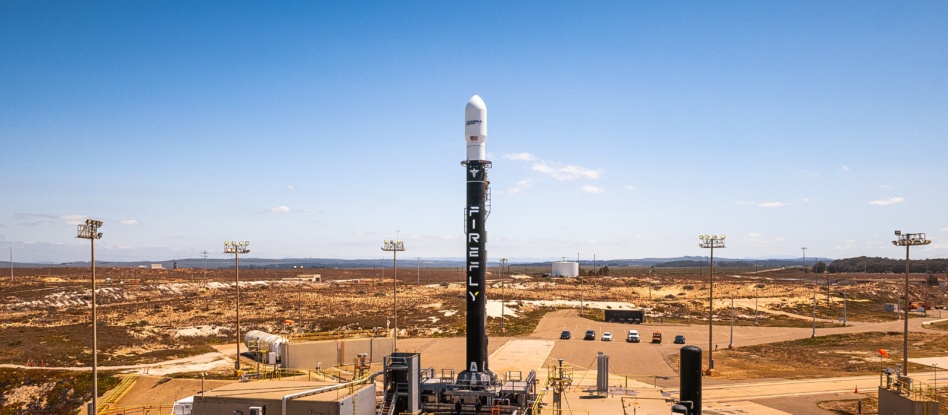
Firefly Aerospace is $FLYing into the Nasdaq with the space industry’s latest exit attempt.
The Texas-based launch company filed its S-1 prospectus with the SEC on Friday, laying out its pitch for potential retail and institutional investors. While Firefly did not list an IPO price or the number of shares it would be offering—so we can’t determine a valuation—the document gives an inside look at the company’s finances for the first time.
Risk/reward: Firefly’s prospectus revealed a company buoyed by many recent wins with a lot to look forward to in the coming year. By the numbers:
- $176.9M of cash and cash equivalents on hand
- $55.8M in revenue during the first three months of 2025
- $1.1B in the backlog of launch contracts and spacecraft orders, up from $559M at the same time last year
Firefly’s recent revenue has been concentrated in its spacecraft solutions business, which drove around $50.6M Q1 revenue, while launch services brought in just $5M in the same period.
But it’s not all good news. The company has a lot of debt—about $173.6M worth—and some of the IPO proceeds will go towards shrinking this liability exposure. Firefly noted that its cash on hand would be enough to meet its liquidity needs in the coming year.
The company’s bottom line is also under strain from the high cost of its operations. Firefly’s net losses during the first three months of the year were $60.1M, and losses seem to be on an upward trajectory. In 2023, losses totaled $135.5M, and in 2024 the number rose to $231.1M.
Ultimately, Firefly aims to bring down costs by increasing launch cadence and expanding its revenue base. Its aim has been to build technologies using common inputs to benefit from economies of scale, and greater launch cadence would help the company achieve profitability down the line.
Up next: Firefly’s prospectus also laid out its growth plan for the future.
On the launch front, Firefly is expanding its Alpha launch capabilities around the globe, with plans for future launch sites in Wallops, VA, and the Esrange Space Center in Kiruna, Sweden.
Firefly is also continuing the development of its medium-lift reusable launch vehicle, Eclipse, made in partnership with Northrop Grumman. The aerospace prime recently invested $50M in Firefly to accelerate production.
On the spacecraft solutions front, Firefly’s Blue Ghost lunar lander and Elytra spacecraft are expected to increase their flight cadence, which should open up business opportunities for the company.
- Firefly said it wanted to fly one Blue Ghost lunar mission annually.
- Firefly also hopes that its Elytra spacecraft will widen the services the company can offer, especially for national security customers. Elytra will open the company up to missions for RPO capabilities, space domain awareness services, communications relays, and customers wanting to fly in lunar orbit.
Firefly also pointed to future M&A opportunities, and shared that it’s actively considering an acquisition opportunity in the software industry. The company’s goal is to increase its national security contracts, deepen its vertical integration, and automate production processes.

Fortastra Raises $30M Series A to Fund its Next Security Spacecraft
The US military has weapons in space, and—with the orbital arsenal expanding—security is becoming a top priority.

DOT Proposes Changes to Part 450 Licensing Rules
On Tuesday, Transportation Secretary Sean Duffy announced five proposed FAA rules aiming to streamline and modernize commercial space launch and reentry regulations.
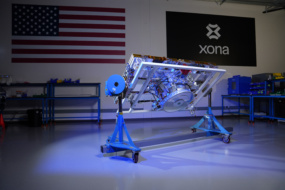
Exclusive: Xona Ramps Up Production Ahead of Pulsar Launch
With FCC approval in hand and six sats ready for the pad, Xona is turning to its next challenge: building the next 250.
ArbaLabs Launches AI Verification Demo On South Korea’s Nuri Rocket
“In short, tons of companies are looking at the latest and greatest physical AI deployments,” ArbaLabs CEO Ashley Reeves told Payload. “Nobody is really thinking about putting some checks and balances on what these AI models are doing.”

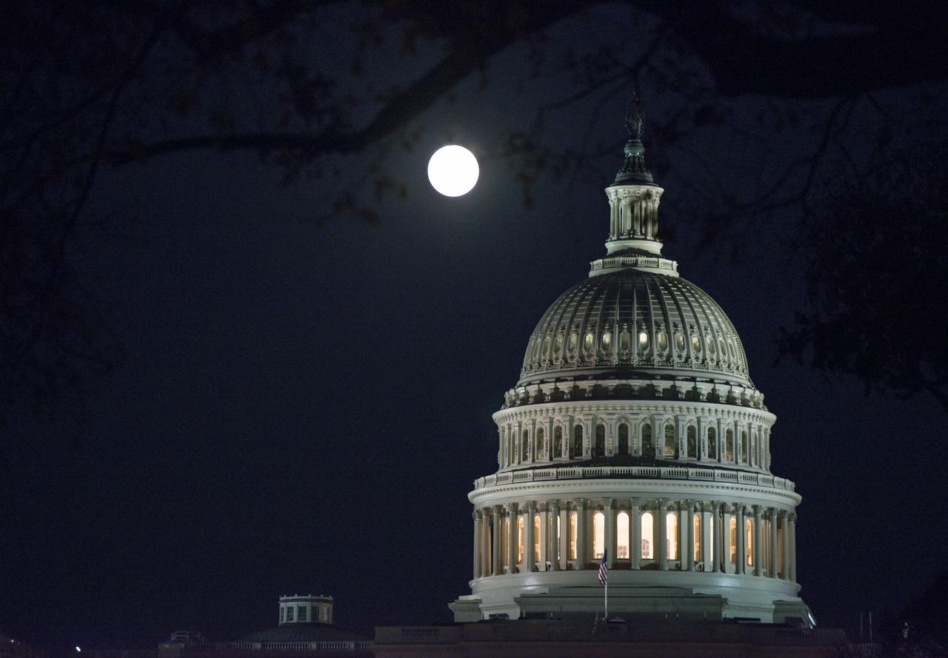
The Senate Armed Services Committee (SASC) completed the markup of the FY26 National Defense Authorization Act (NDAA), advancing the bill in a 26-1 vote.
The topline NDAA budget was $913.9B, with an additional $10.8B dedicated to defense-related activities outside the NDAA’s jurisdiction. That brought the total defense request to $924.7B for FY26, excluding tens of billions in dollars of reconciliation funds.
Summary: The FY26 bill focused primarily on modernizing the DoD’s acquisition and budgeting processes to improve the department’s efficiency. But the budget, which is $32.1B more than requested by the DoD, is reflective of the changing threat environment. According to the summary released by SASC, “The United States is operating in the most dangerous threat environment since World War II.”
Keep reading