



This morning, Kongsberg Defense and Aerospace, a Norwegian technology company, announced it has entered into an agreement to acquire a majority stake in NanoAvionics. The deal values the Lithuanian smallsat manufacturer at €65M ($67M).
The terms: Kongsberg is taking a 77% stake in the company. The company’s leadership will remain unchanged for now, with CEO Vytenis Buzas and CCO Linas Sargautis, the company’s cofounders, staying in their roles.
Midland, TX-based AST SpaceMobile ($ASTS) purchased a 51% stake in the company in 2018, and will now sell its shares. In an SEC filing, the company reported that it expects €27M ($28M) for its stake.
The big deal: Kongsberg emphasized how well NanoAvionics’ tech will work with its own offerings. Kongsberg owns and operates the KSAT (Kongsberg Satellite Services) network of ground stations. It also provides satellite subsystems.
- It seems like a pretty logical jump to acquire a company building the actual satellite hardware.
“Norway is a leader in the domain of maritime surveillance in the high north,” Eirik Lie, Kongsberg president, said in a press release. “NanoAvionics, along with our existing space portfolio and the development of the Andøya Space Port, means Norway now has leading positions across the entire value chain.”

Nebex Partners with Thrusters Unlimited to Unlock $700M for Mexico’s Space Ecosystem
The capital will fund EO, telecoms and other strategic capabilities, according to Nebex.

Skyrora Shifts Orbital Launch Timeline to 2030
First-mover advantage isn’t all it’s cracked up to be—at least, that’s the thought process for UK launcher Skyrora.
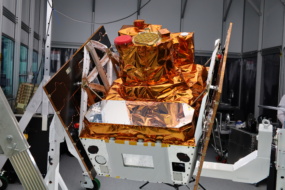
Transporter-18 Tests the Building Blocks of Orbital Data Centers
Few rideshares come with a theme, but SpaceX’s Transporter-18 had one: getting power to compute in orbit.

Foundational Raises £8.2M for Satellite Laser Ranging
Foundational emerged from stealth today with Europe’s largest space tech pre-seed round.
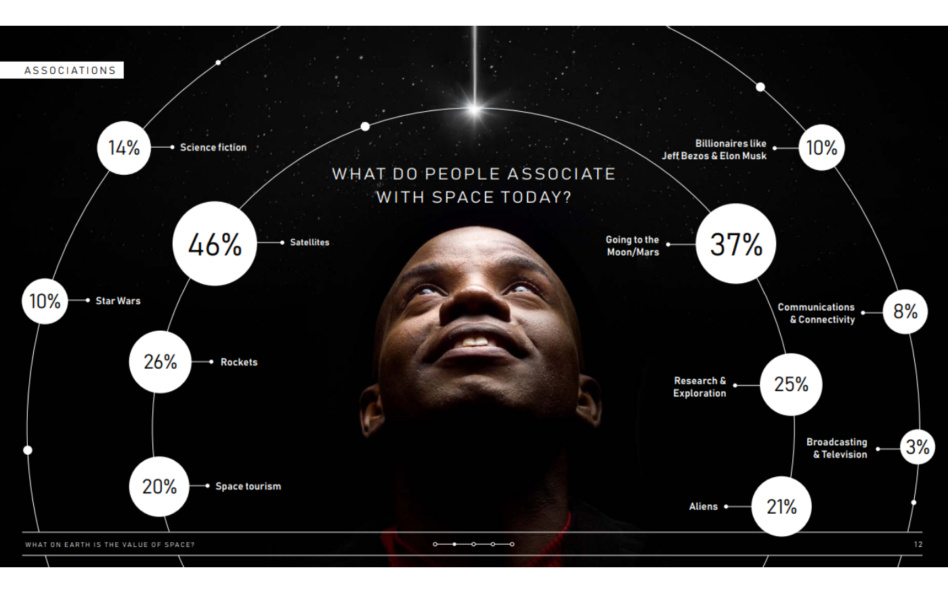
Houston, we have an image problem.
Yesterday, Inmarsat released a massive report on the public perception of the space industry. The survey of 20,000 people across 11 countries showed, by and large, a lack of faith in the space industry to solve problems down on Earth or to benefit humanity.
The spectacle of it all: While 46% of people surveyed associate space with satellites and 37% link it with going to the Moon and Mars, results hinted that pop culture still dominates the popular view of space more than practical applications.
Keep reading