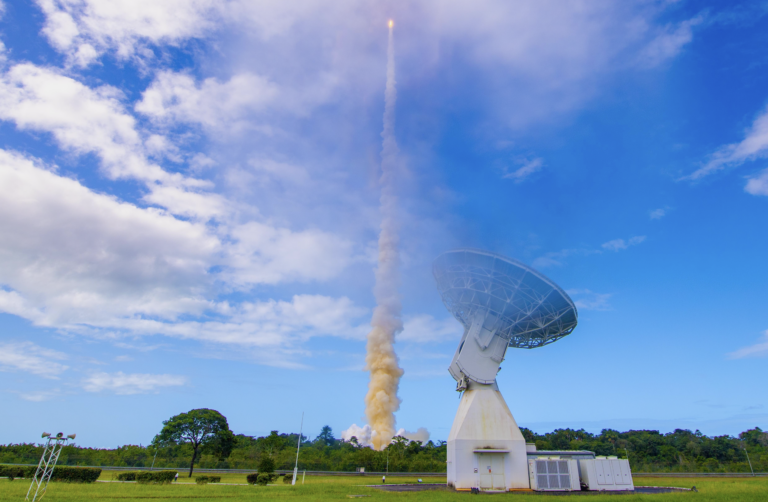

Dems Warn Golden Dome Will Accelerate the Nuclear Arms Race
The Golden Dome missile defense system is intended to protect America—but Democratic lawmakers argue that it would have the opposite effect.

NASA-Funded Research May Create Chinese Security Risk, Report Says
NASA has potentially funded or supported hundreds of scientific collaborations since 2015 that might involve Chinese researchers, a new Congressional report says.
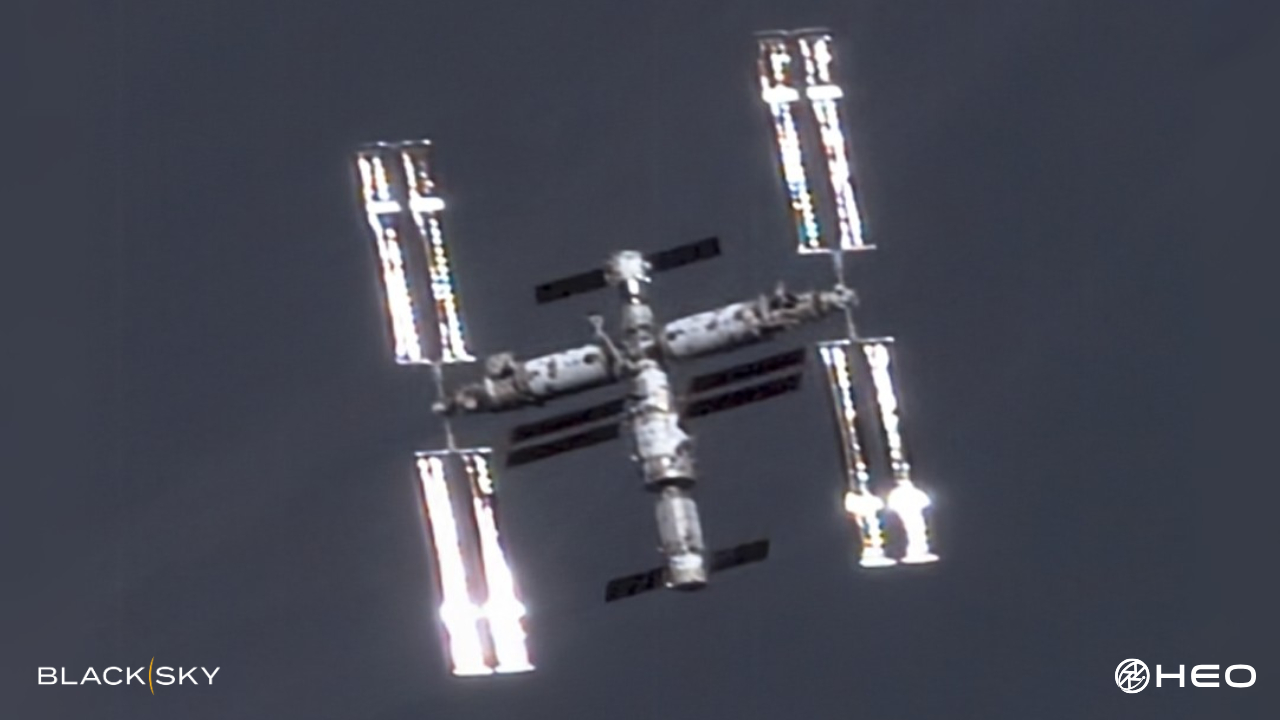
From Design Reviews to Decision Intelligence: CoLab Rewires Engineering Workflows
In engineering production, hundreds—sometimes thousands—of decisions stand between initial concept and final product. Some decisions are big, and some are small trade-offs, but collectively, they determine whether a program moves forward efficiently—or stalls under the weight of its own complexity. Those stalls often stem from an inefficient process of how design decisions are made and…

CSF Forecasts Launch Supply Running Low
Depending on which scenario comes to fruition, the report predicts the space community will want to launch between 6,000 and 230,000 sats per year—requiring up to 7,000 launches annually, according to a release.

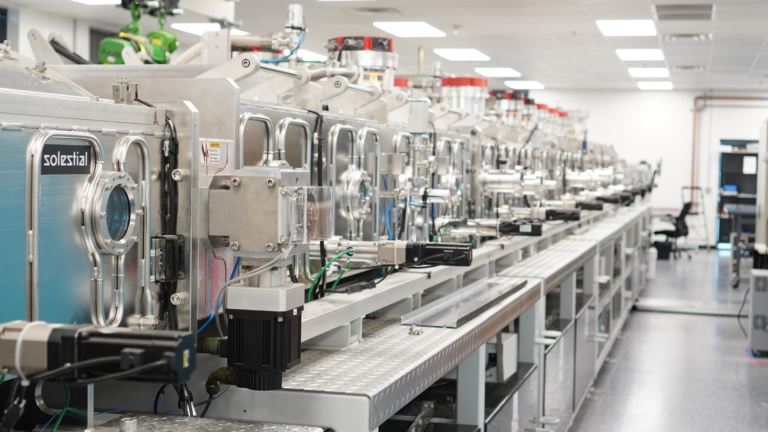
Vast Launches Satellite Bus Business Line
The commercial space station company announced this morning that it would start selling satellite buses, specifically targeting the low-cost, high-volume, high-power niche for missions from comms, to EO, to national-security programs.
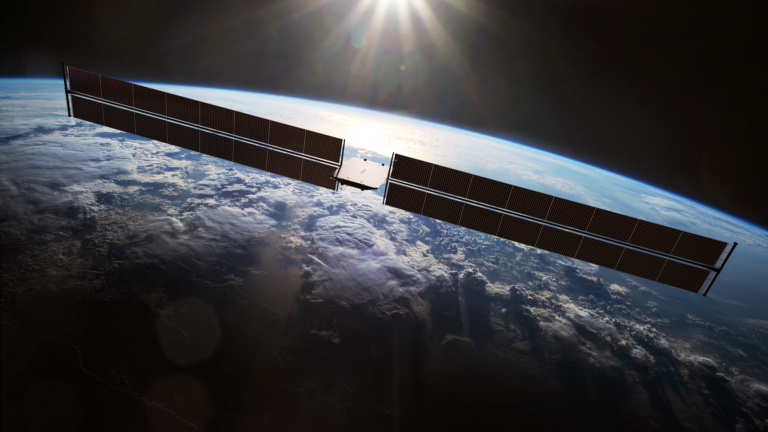
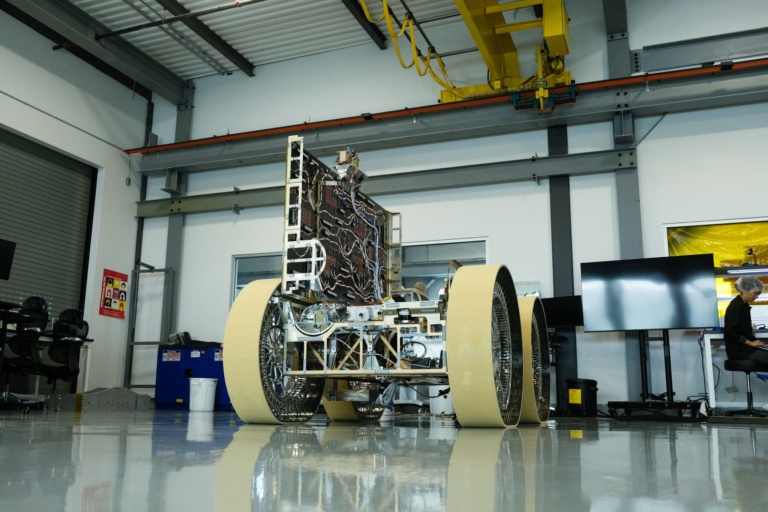
Astrolab Unveils Payloads Flying on FLIP Lunar Mission
Astrolab is headed to the Moon this year with a rover-load of science payloads.
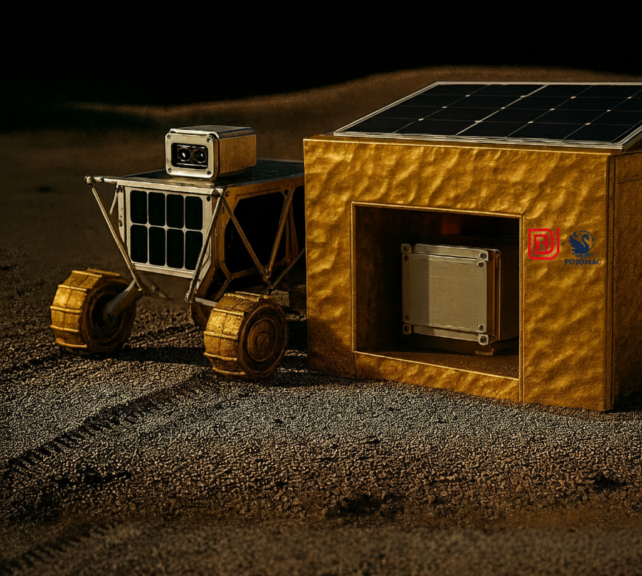
Potomac Database Systems Unveils Plans to Amass Lunar Data
There’s money to be made on the Moon, but it’s not all mining and infrastructure.
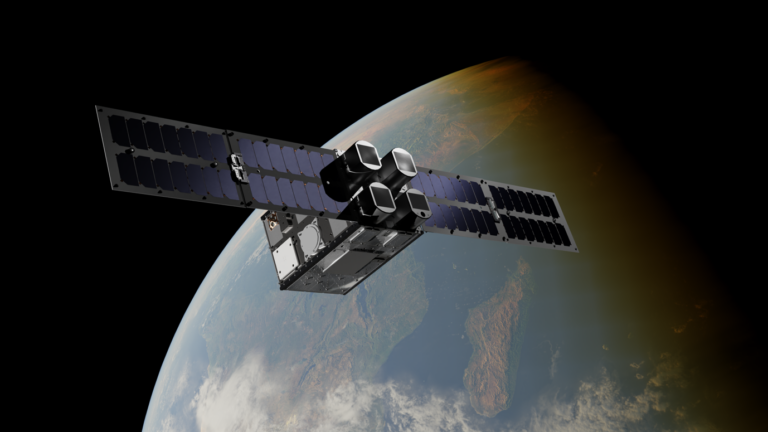
U-Space Selects Skynopy to Support Multiple Missions
Skynopy’s ground-station-as-a-service model is quickly gaining traction.
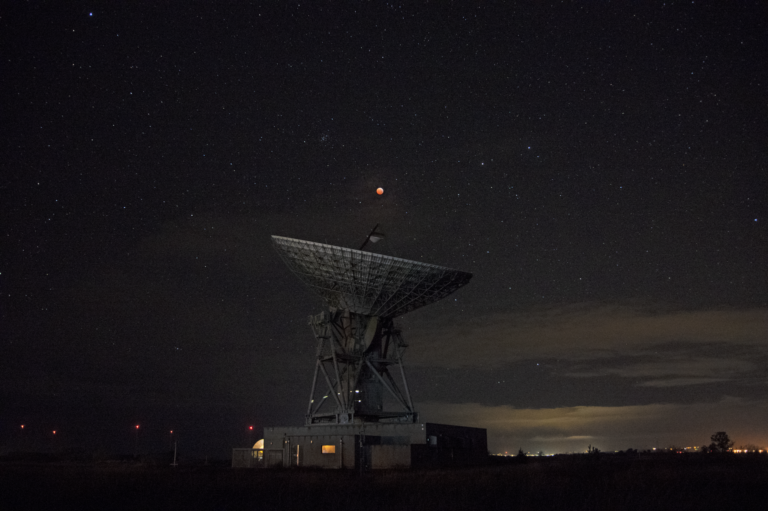
Intuitive Machines Bets on Lunar Comms with Goonhilly Buy
Intuitive Machines is going all-in on lunar comms. Yesterday, Intuitive Machines announced a definitive agreement to acquire UK-based Goonhilly Earth Station, as well as Goonhilly’s US subsidiary COMSAT, to expand the lunar company’s offering in deep-space comms and PNT. “Customers have been clear that they want a single, integrated, and resilient solution for their communications…
Iridium Boosts Air Safety Offering With Aireon Acquisition
By acquiring Aireon, Iridium hopes to leverage this capability into a more powerful offering: space-based VHF communications.

European Space Startups Jockey for ‘Infrastructure’ Financing
Europe has a growth-stage-capital problem.