


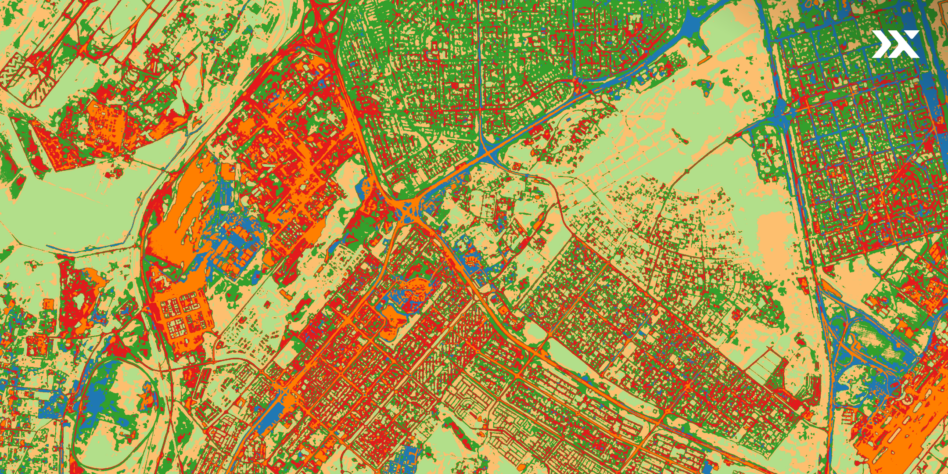
Pixxel, the hyperspectral-satellite operator with offices in India and the US, announced the closing of a $100M Series C to expand its satellite production footprint in the US, and begin churning out larger, more capable satellites for an increasingly global customer base.
Temasek and Seraphim Space led the round, which included additional participation from new investors 360 ONE and IMM Investment, as well as existing investors Radical Ventures, growX ventures and others. The round brings Pixxel’s total funding to $195M since its founding in 2019.
Eye spy: At a time when national-defense ministries and civil-space programs are spending huge pools of capital to secure sovereign-sensing capabilities, Pixxel has found itself “at the right place, at the right time,” CEO Awais Ahmed told Payload.
Since launching multiple demo sats in 2022, the company has been able to secure large contracts for hyperspectral imagery.
- In 2023, Pixxel was awarded a contract by the NRO Commercial Systems Program Office, and won additional contract awards under the same program in May of this year.
- In 2024, Pixxel was selected as part of NASA’s $476M Commercial SmallSat Data Acquisition program.
- In January, Pixxel was tapped by the Indian government to lead a consortium to build the country’s first private EO constellation, and has won multiple contracts with the Indian Air Force to develop on-orbit sensing capabilities.
Pixxel plans to use the new funds to double down on this interest, and make a wider range of imagery more easily accessible for its customers. The company will deploy the new capital across three strategic efforts:
- Develop and launch its upgraded Honeybee satellites, which can capture images across a wider range of hyperspectral bands—including shortwave infrared—and support new sensors including SAR and ultra-high-resolution optical.
- Grow its US workforce, as Pixxel is evaluating locations to expand its US manufacturing footprint with a new production facility.
- Increase its ability to serve the US government on civil and defense missions, through planned improvements of the AI capabilities of its Aurora software to make hyperspectral insights easier to surface.
Numbers game: Pixxel’s Series C comes at a busy time for the company, which has ~25 satellites in development for customers as well as its own constellation, according to Ahmed.
After launching its first six Firefly sats last year, Pixxel plans to launch three to six more Firefly sats and 12 next-gen Honeybee sats over the next three years, and is scheduled to start launching Honeybee sats in 2027.
The company’s customers are mostly government users today, but demand today is just a fraction of what’s coming, Ahmed predicted.
“There’s 10 times more customers—for every customer that knows what to do [with hyperspectral imagery]—that doesn’t know how to go about it,” Ahmed told Payload. “We’re still in the very early stages…Where I think SAR imagery was eight years ago or seven years ago is where we are with hyperspectral today. So, it will take time for people to find their groove.”
While the company deepens its ties in the US and India, it’s also looking to grow abroad, and will potentially open new offices to secure contracts in Europe and the Middle East, according to Ahmed.
Europe’s Space Defenses Fall Just Shy of Weaponization
Europe doesn’t have any weapons in space—but that doesn’t mean the region is comfortable flying around in orbit defenseless.
ArbaLabs Launches AI Verification Demo On South Korea’s Nuri Rocket
“In short, tons of companies are looking at the latest and greatest physical AI deployments,” ArbaLabs CEO Ashley Reeves told Payload. “Nobody is really thinking about putting some checks and balances on what these AI models are doing.”
Turkey Uses IAC Stage to Pitch Peace & Homegrown Hardware
During the 2026 IAC in Antalya, representatives from Turkey are leveraging the opportunity to showcase the country’s prgoress in space.

Nebex Partners with Thrusters Unlimited to Unlock $700M for LATAM Space Ecosystems
The capital will fund EO, telecoms and other strategic capabilities, according to Nebex.

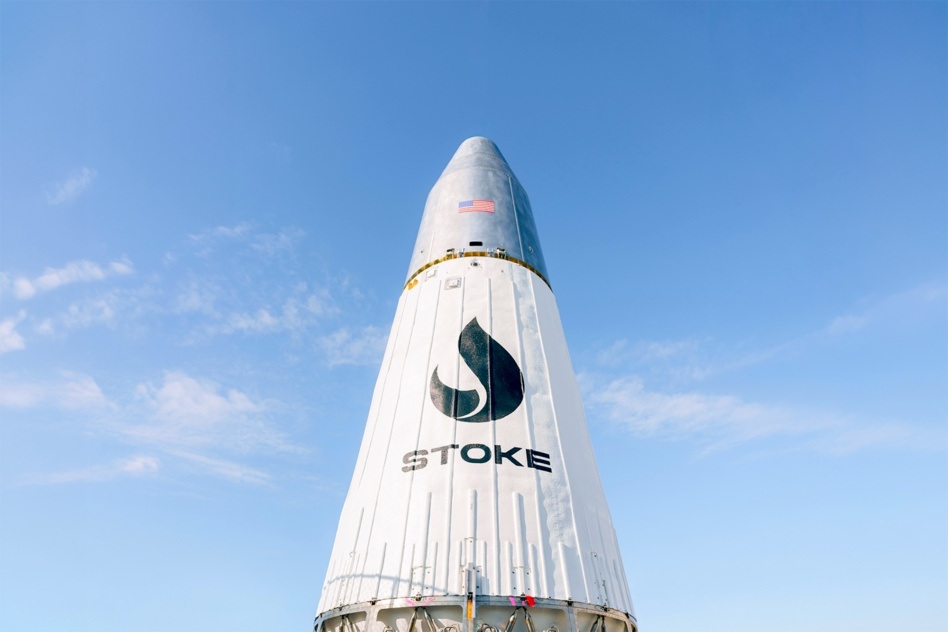
Stoke Space’s investors keep coming back, and so, eventually, should its rockets.
The company announced today that it has closed an initial $1B tranche of a Series E round, bringing the company’s total capital raised to $2.3B.
The funds will scale manufacturing, test, launch, and recovery infrastructure as the company preps for the first flight of its Nova Pathfinder rocket, which has slipped from late 2026 to early 2027.
Keep reading