


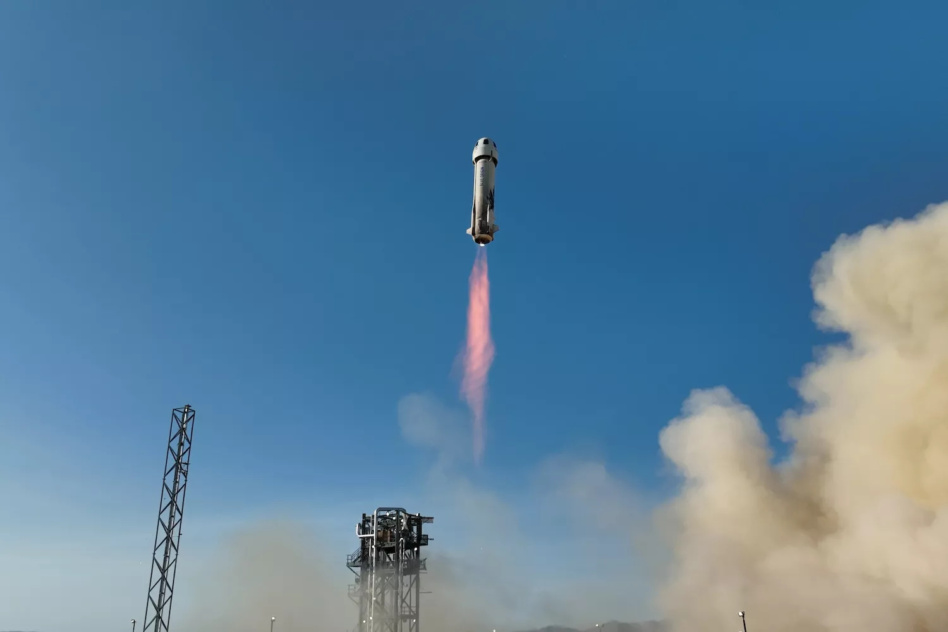
A moratorium on regulating human commercial spaceflight—aka space tourism—is set to expire in October, and the folks at the FAA are at a crossroads: to renew or not to renew?
In a report published this week by RAND, researchers determined that the commercial human spaceflight industry has progressed far enough that it’s time for the FAA to allow the moratorium to expire and start imposing certain regulations on the industry.
Backing up…In 2015, Congress passed the Commercial Space Launch Competitiveness Act (CSLCA), which was intended to spur on innovation and competition in the nascent commercial space industry. To encourage industry to begin spaceflight operations, the CSLCA prohibited the government from introducing additional safety regulations until Oct. 2023.
- Under that moratorium, the FAA is not allowed to introduce regulations regarding the safety of human passengers to space unless a component of that flight injures or nearly injures someone.
- By October, the FAA will need to decide whether the industry has grown up enough to be ready for regulation—in which case, the moratorium should be allowed to expire—or whether it still has more maturing to do.
Assessing readiness
In response to a call in the CSLCA, the FAA contracted RAND to analyze the commercial spaceflight industry to determine whether, and to what extent, the industry could be ready for formal government regulation.
The team’s methodology included diving into the existing literature on regulations and voluntary consensus standards to which the space industry already holds itself accountable, as well as conducting interviews with experts across civil, military, and commercial space.
The findings: In general, the research team had trouble lining up commercial spaceflight industry standards with the benchmarks it has previously used for fields like the energy industry. Still, they shared some findings, including:
- The team found that 20 voluntary standards for human spaceflight have been created across several industry groups, but that the industry as a whole has not committed to following them.
- The FAA has suggested a long list of indicators to assess the readiness of the commercial industry, including questions about the reason people want to buy tickets to space, the size of the tourism industry, and the extent to which standards have been developed. Most people interviewed, though, thought these indicators were vague and unhelpful—”perhaps deliberately so,” the report notes.
- Based on its research and analysis of previous reports by Congress and outside groups, the team found that “the commercial space industry should transition to a safety framework that includes the opportunity for federal regulations to be issued.”

RAND’s recommendations: The team landed somewhere in the middle of two extremes when it comes to how far the FAA should go in its newfound ability to regulate the human spaceflight industry. The analysts call this a “glide path,” which would end the overarching moratorium but keep it going for a shortlist of selected areas.
Most of the people interviewed, the report states, didn’t agree that a binary answer—regulate or don’t regulate—suits the whole space tourism industry as it stands right now. Data sharing, for example, makes more sense to regulate right now than nascent tech that’s still in development.
In the end, the research team made five recommendations:
- Allow the moratorium to end in October as currently planned
- Allot enough funding to the FAA to effectively develop new regulations
- Proceed with Space Aerospace Rulemaking Committees
- Continue to develop voluntary consensus standards across the industry
- Consider limited informal rulemaking
NASA Signs Space Nuclear Pact, Says Moon Base Is Ahead of Schedule
Isaacman gave updates at the White House’s “Science: A New Golden Age Summit.”
Starliner Targets Uncrewed Flight NET December, Crewed Follow Up in 2028
NASA and Boeing officials announced Monday that they have upgraded and redesigned Starliner following a dicey crewed test flight in 2024, which left NASA astronauts Butch Wilmore and Sunita Williams stuck on ISS for nine months.

Isaacman Doubles Down on New NASA Model for International Partnerships
Isaacman is less than a year on the job, but he’s already upended the way the agency interacts with the rest of the world.

Isaacman Promises ‘Artemis Acceleration’ Update Next Month
“There’s a lot of ingredients—so many ingredients—that need to come together for that landing, and we owe everybody an update,” he said. “There’s going to be an Artemis acceleration update…sometime in early October. Maybe it might even coincide with the [ISS] Crew 13 launch.”

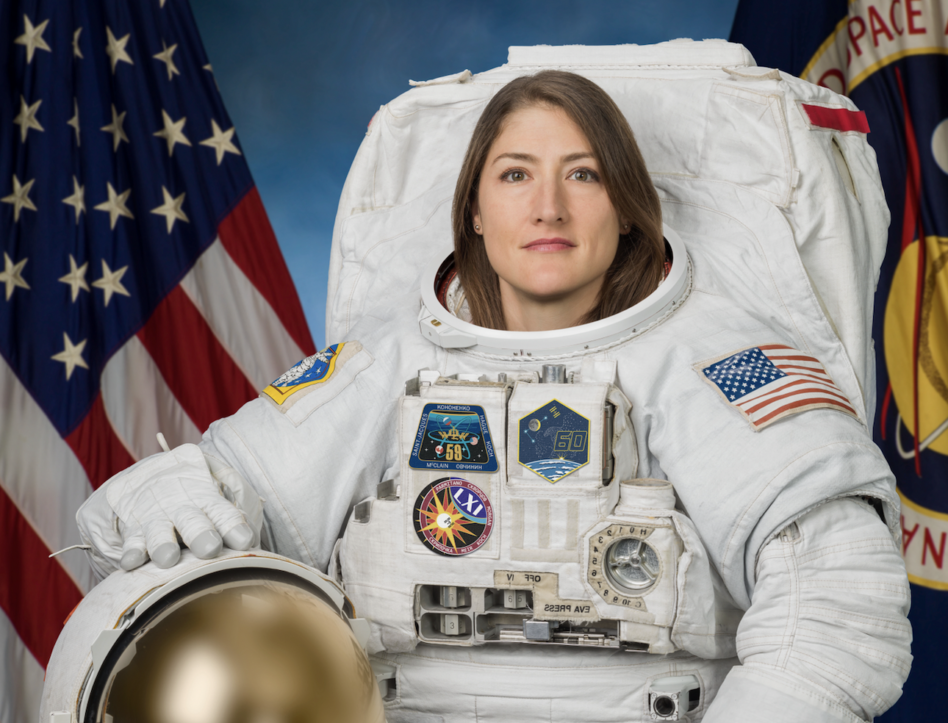
On Monday, NASA announced the four Artemis II astronauts who will travel around the Moon aboard the Orion capsule next year.
NASA selected Christina Hammock Koch, who holds the record for longest continuous spaceflight by a woman at 328 days, as a mission specialist for the flight. She is the only professional engineer on the flight.
Koch, 44, will be the first woman to ever travel around the moon.
Keep reading