


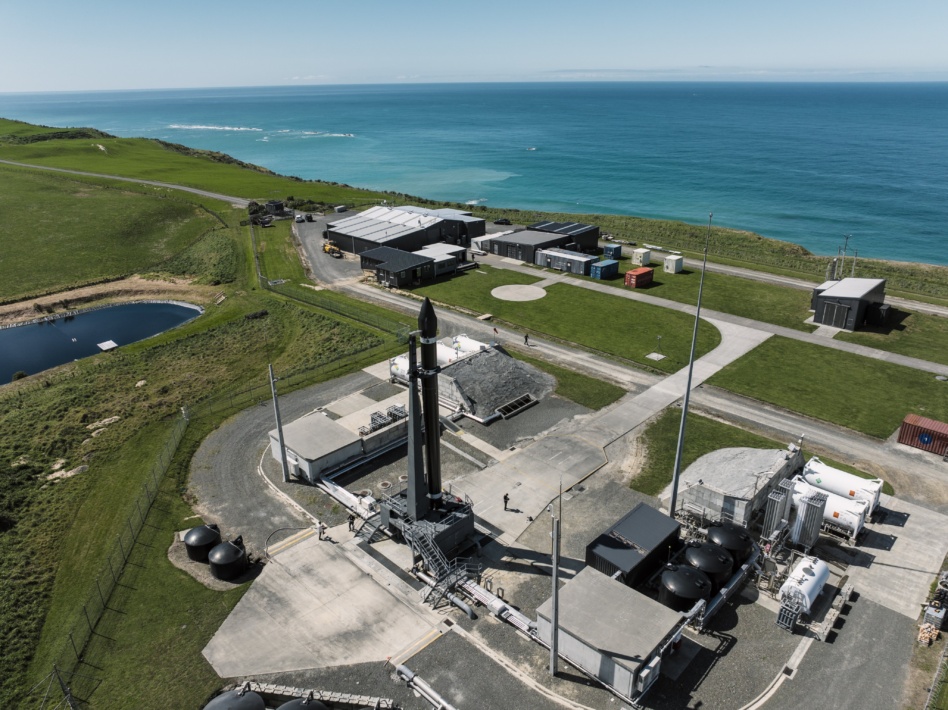
HOUSTON, TX — Iridium ($IRDM) shareholders voted overwhelmingly yesterday to approve the company’s proposed acquisition by Rocket Lab ($RKLB). According to Rocket Lab CFO Adam Spice, there’s more M&A on the horizon.
In the shareholders meeting, 99.6% of votes were cast in favor of the buyout, putting Rocket Lab one step closer to owning the satcom giant. The deal is expected to close in mid-2027 for ~$54 per Iridium share—in a mix of cash and RKLB stock.
Gotta have it: The Iridium purchase is the latest in a string of increasingly large buyouts that started before the company went public via SPAC in 2021. The acquisitions have given Rocket Lab a breadth of new capabilities, including flight software, satellite separation systems, space solar power products, electro-optical and infrared sensors, laser communications terminals, and in-space robotics systems. And the company isn’t done buying just yet.
Speaking virtually at Payload’s Off World event in Houston yesterday, Rocket Lab CFO Adam Spice confirmed that the company is considering more M&A opportunities to continue expanding its capabilities, and win larger, more impactful contracts.
“Going forward, when you look at our government customers, they’re looking for more than just one thing,” Spice said. “Whether that’s Earth observation capabilities, whether it’s different kinds of sensors for scientific or national security purposes. We’re going to be going out continuing to pick those capabilities up…We’re not stopping at L-band communications with Iridium. We’re rather building on that to be able to offer more and more to the market.”
The decision to build or buy, however, will be met on a case-by-case basis, according to Spice, who added that the company’s tech is a healthy mix between the two. Spice estimated that 40-50% of its space systems portfolio stems from acquired technologies, with the rest originating from internal R&D.
One more thing…the elephant: Spice also explained the company’s move to protest NASA’s decision to select Blue Origin for the Mars Telecommunications Network, by pointing to other successful protests by major space companies in recent years.
“It’s just a sign you’ve kind of gotten to the big leagues,” Spice said. “We’ve seen other people protest and come out successfully on the other end…SpaceX obviously did that in a very visible way…Then of course Blue Origin did the same thing to be able to ramp to NSSL. So when you believe that you’re bringing the best value proposition…you want to make sure your voice is heard.”

RATLOG Wants to Cut ~90% of a Rocket Engine’s Parts
The heavy-lift rocket startup debuted on Y Combinator as part of the Fall 2026 batch.
BlackSky Renews HEO Deal, Adds Gen-3 Imagery for Space Domain Awareness
BlackSky Technology inked a seven-figure deal to extend its partnership with Australian non-Earth imaging (NEI) provider HEO for another year.
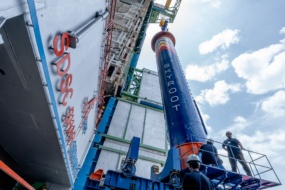
Reflect Orbital Buys Two Skyroot Aerospace Launches
Reflect Orbital announced the purchase of two launches today from Indian launcher Skyroot Aerospace.

DOT Proposes Changes to Part 450 Licensing Rules
On Tuesday, Transportation Secretary Sean Duffy announced five proposed FAA rules aiming to streamline and modernize commercial space launch and reentry regulations.

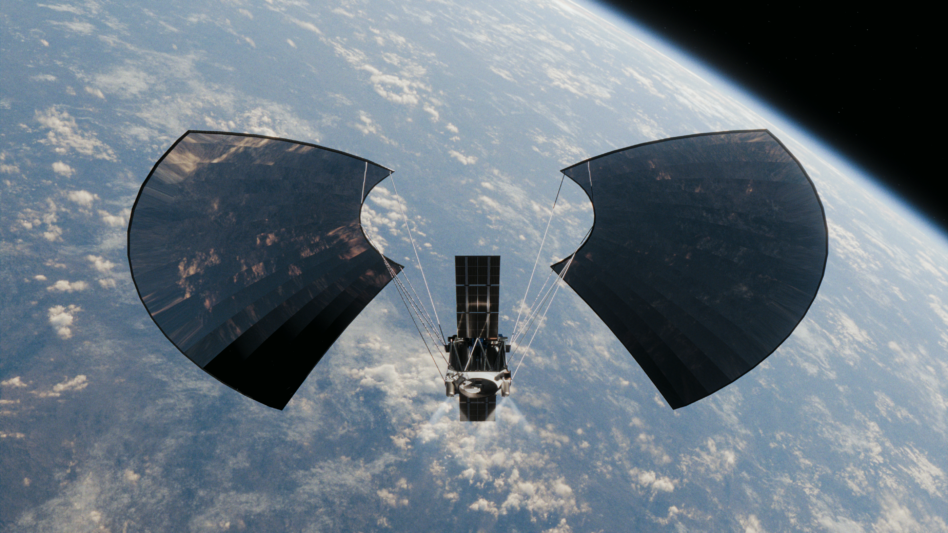
When FUSE was founded in 2020, the goal was to bring the Bay Area VC experience to software firms in Seattle, WA. However, the VC firm has since found success among the stars and broadened its reach across the US, announcing its eighth space investment this week.
The firm led the seed round for Pluto Aerospace, an Indiana-based reusable launch company working to allow the industry to get components and hypersonics flight time for rapid testing and iteration, Brendan Wales, a founding partner at FUSE VC and the leader of the firm’s growing space portfolio, told Payload.
Wales said this investment was led by his fellow cofounder Cameron Borumand—a far cry from the company’s first space investment in 2024.
Keep reading