


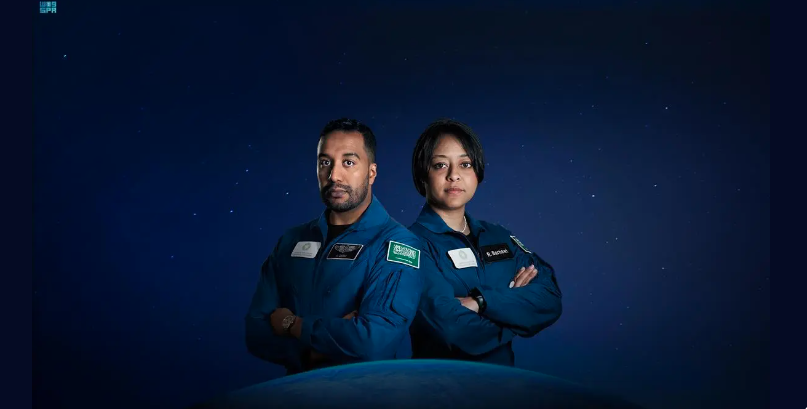
Two Saudi Arabian astronauts are expected to launch to the ISS this Sunday, marking a historic first for the Kingdom and highlighting its aspirations to become a global space power.
Ali AlQarni, a pilot, and Rayyanah Barnawi, a biomedical researcher, will make up half of the four-member crew on Axiom Space’s Ax-2 mission. They will be the first Saudi astronauts to visit the ISS, with Barnawi becoming the first Arab woman aboard the station and the first Saudi woman in space.
During their 10-day stay, their research will cover diverse areas including cancer prediction, in-space bioengineering, and microgravity’s effects on stem cell production and human physiology.
Make it rain
One experiment the Saudis will carry out aboard the station uses a reaction chamber to simulate cloud-seeding techniques employed in arid, desert climates like Saudi Arabia to increase precipitation. By examining weather modification in low-gravity conditions, the research aims to advance technology for generating artificial rain on other planets.
A date to remember
Bringing Saudi coffee and dates to share, AlQarni and Barnawi will be welcomed to the ISS by Emirati astronaut Sultan Al Neyadi, who arrived in March in a Crew-6 seat arranged by Axiom. This joint representation underscores the growing influence of Gulf nations in the global space arena. In a press briefing, AlQarni said the occasion “shows the Arab world we are holding hands and working together for the betterment of humanity.”
Even as other Arab countries increase activities and investments in space exploration, Saudi Arabia and the UAE stand out with their substantial commitment of resources. This dedication reflects their shared objective to be acknowledged as regional space powerhouses catalyzing the growth of the Arab space sector.
- The UAE is a newcomer to space exploration, but is swiftly establishing itself as a prominent player. Recognized as the Arab world’s leading space program, the country has sent two astronauts into space, launched spacecraft to Mars and the Moon, deployed domestically built satellites, and has a long-term lunar program.
- Saudi Arabia, though in an earlier stage of space sector development, has made significant investments and achieved notable milestones, aligning with its strategy to diversify its economy away from oil. With a longstanding involvement in satellite technology, the establishment of the Saudi Space Commission, and forging international partnerships, including contributing an optical camera to China’s mission to the far side of the Moon, Saudi Arabia is resolute in its pursuit of becoming a significant force in space exploration.
LambdaVision Taps Starlab for Post-ISS Manufacturing Plans
LambdaVision is preparing for its post-ISS future.
Vast Delays Haven-1 Launch to 2027
Haven-1, which was expected to launch in 2026, will now launch no earlier than Q1 2027—and it could be significantly longer before the station gets its first crew.
Voyager Details its Plans for In-Space Manufacturing
Voyager Technologies secured a patent from the US government covering its unique process of manufacturing crystals in microgravity to support the future of optical communications.
United Semiconductors, Aegis Aerospace Partner on In-Space Manufacturing Platform
Forget offshoring—the future of manufacturing is off-world.

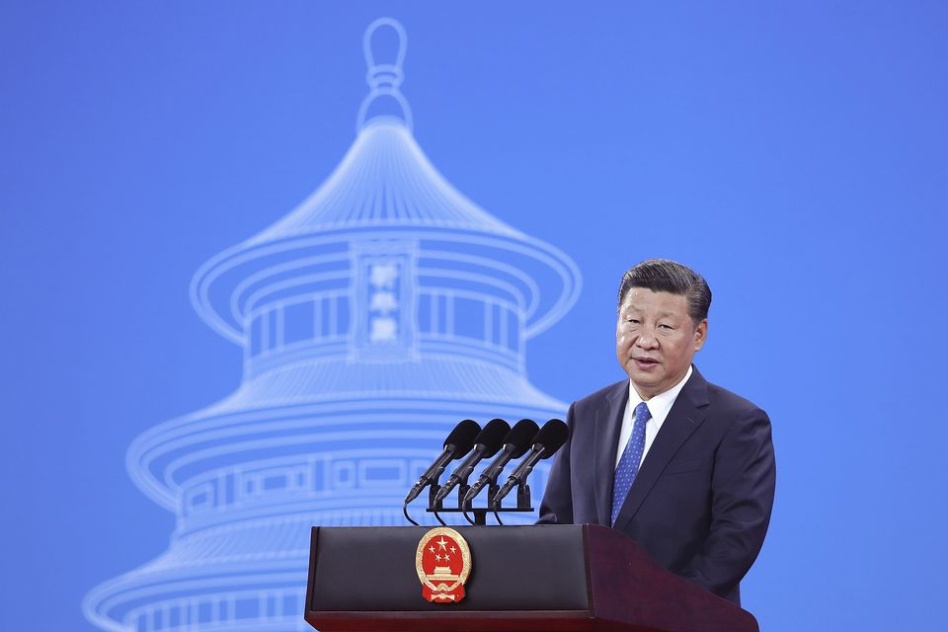
China has set out a roadmap to compete with the Artemis program in a race to the Moon, grabbing the attention of NASA and lawmakers.
As NASA pursues increased funding to ensure the US lands first, questions remain regarding China’s ability to finance the endeavor.
“China’s funding is a bit of a black box,” said Kevin Pollpeter, a China space program expert at CNA. “But if they felt they could not afford to go to the Moon, they would not have gotten it approved.”
Keep reading