


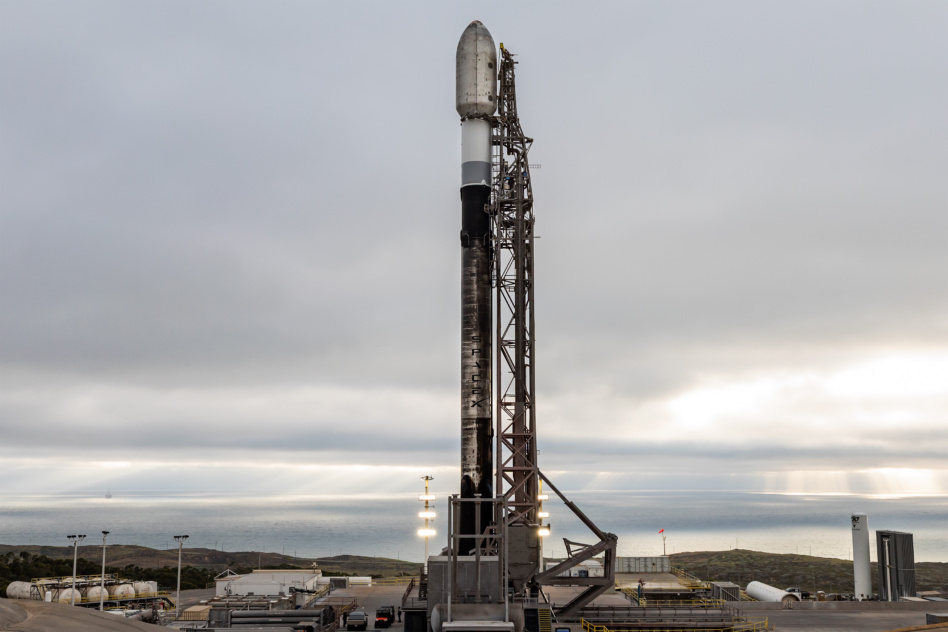
The end of SpaceX’s Transporter program could leave a giant hole for space startups looking for cost effective rides to orbit. SEOPS is trying to fill it.
SEOPS announced today it’s planning a LEO rideshare flight in 2028 to a mid-inclination orbit on board a previously acquired SpaceX Falcon 9 rocket. The mission will repurpose SEOPS’ Darkstar-1 dedicated rideshare flight—originally planned to fly to GTO in 2028—under the company’s new Waymaker dedicated LEO rideshare program.
Under new management: The announcement is part of a new business model for SEOPS, which includes plans to expand its Waymaker program to include more launchers, more launch sites, and access to a wider range of orbits, according to President Evan Hoyt.
The growing list of rides to orbit is especially critical for those looking to split a ride to space, since SpaceX is reportedly not taking orders for its Transporter programs after late 2028 or early 2029, adding pressure to an already crunched industry.
SEOPS is expected to launch two Waymaker missions in 2028:
- A mission to SSO that is nearing capacity, with 90% of available payload mass already contracted, according to the company.
- The new LEO mission announced today, which was added to the company’s manifest in response to surging demand for Waymaker since its creation in May. It is scheduled to fly before the previously announced SSO mission.
Waymaker’s expansion highlights an ongoing transition in the organizational setup of commercial spaceflight. For years, SpaceX has been operating its Bandwagon and Transporter rideshare missions, with satellite integrators such as SEOPS and Exolaunch playing supporting roles.
Going forward, however, SEOPS expects the launch model to mimic commercial air travel—with launch providers playing the role of aircraft builders, and SEOPS staffing the ticket counter.
“When you go to American Airlines…you don’t know or care what airframe you’re getting on. What you know is you’re going from Detroit to Fort Lauderdale,” Hoyt told Payload. “That’s honestly the future of rideshare, and that will be built across several different models with several different launch vehicles.”
And SEOPS isn’t the only company rearranging its business model to the new reality. Exolaunch announced in May it signed a contract for two Falcon 9s from SpaceX to run its own dedicated rideshare missions, with flights NET 2027 and 2028.
At what cost: SEOPS’ rideshare missions will likely cost more to satellite operators than SpaceX-run rideshares in the past, according to Hoyt. He declined to share prices, but added that costs were already trending upwards before SEOPS took over, and not a result of changing responsibilities.
“Over the last five to eight years—with SpaceX[‘s] Transporter-Bandwagon program—that kind of access has been a gift to the industry. I think what we’re going to see [now] is a more honest, true-to-cost price on launch,” Hoyt said.
With SEOPS at the helm, however, Hoyt said satellite operators and launch providers can expect greater efficiency in payload processing because it is investing in processing facilities at launch sites in Florida and California to take more of the integration workload off rocket builders. SEOPS expects these facilities to reduce satellite-integration time imposed on rocket companies by 50%, which would free launch providers like SpaceX to spend more time building new rockets.
The company is also exploring opening new facilities at different launch sites in the US.
RATLOG Wants to Cut ~90% of a Rocket Engine’s Parts
The heavy-lift rocket startup debuted on Y Combinator as part of the Fall 2026 batch.
Reflect Orbital Buys Two Skyroot Aerospace Launches
Reflect Orbital announced the purchase of two launches today from Indian launcher Skyroot Aerospace.

DOT Proposes Changes to Part 450 Licensing Rules
On Tuesday, Transportation Secretary Sean Duffy announced five proposed FAA rules aiming to streamline and modernize commercial space launch and reentry regulations.
Skyrora Shifts Orbital Launch Timeline to 2030
First-mover advantage isn’t all it’s cracked up to be—at least, that’s the thought process for UK launcher Skyrora.
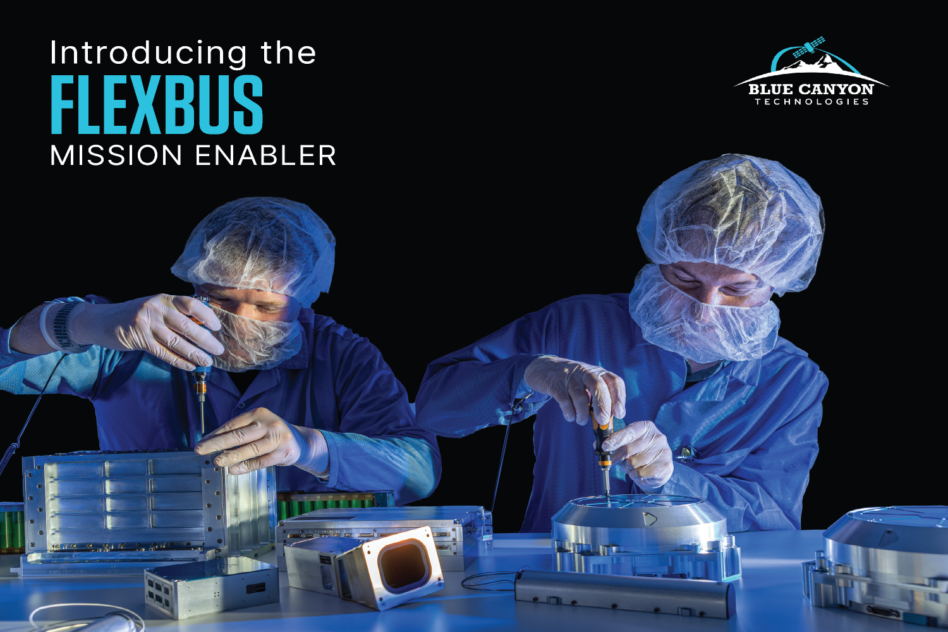
For years, the commercial space industry has focused on making spacecraft more affordable and accessible. Today, a new wave of customers want to build their own hardware to gain full ownership of the systems that define their mission.
Instead of choosing between buying a complete spacecraft bus or designing one from scratch, organizations are looking for a middle ground: a proven technical foundation they can build upon.
Blue Canyon Technologies, part of RTX’s Raytheon business, believes that middle ground represents the next stage of commercial space development.
Keep reading