


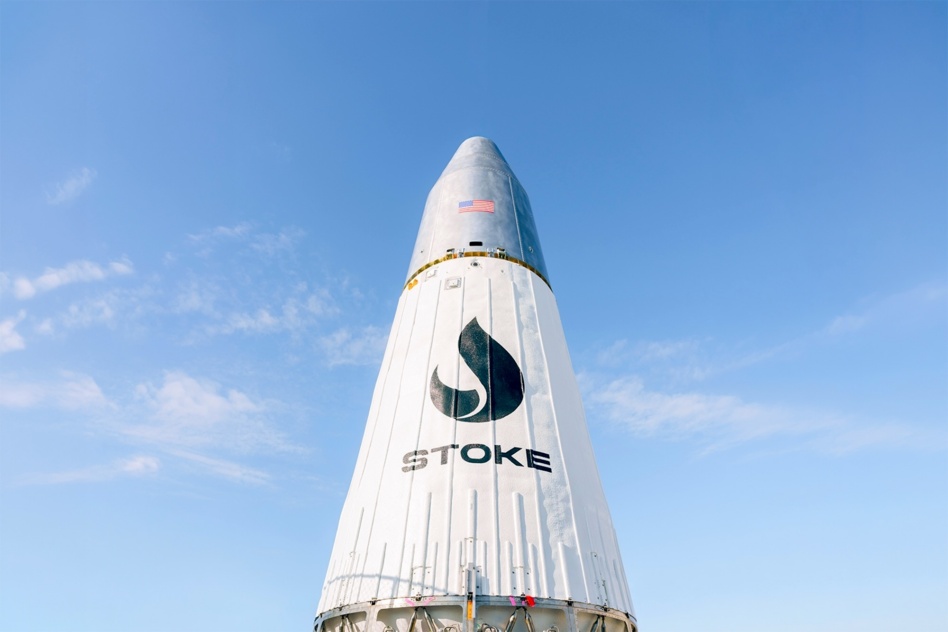
SEOPS signed a multi-launch deal with Stoke Space to help customers secure rideshare opportunities as early as 2029, on Stoke’s Nova Block 2 rocket.
The agreement is expected to give those looking for a ride to space another option, as SpaceX prepares to sunset its Falcon 9 rideshare programs around 2029.
Blast off: The capacity on Stoke will be part of SEOPS’ Waymaker program—first announced in May—which is expected to launch its first mission in 2028 aboard a SpaceX Falcon 9. The offering is intended for time-sensitive payloads, or those that can’t be accommodated on existing rideshare options.
In September, SEOPS announced that it had booked five dedicated launches on Isar Aerospace’s Spectrum rocket between 2028 and 2030.
“There’s a real void opening up in the rideshare market, and Nova is built to fill it,” Stoke VP of Business Development Devon Papandrew said in a statement. “A healthy space economy depends on operators being able to get hardware to orbit early and often, and rideshare is how many of them get there.”
New kid on the pad: Unlike both Falcon 9 and Spectrum, Stoke’s Nova rocket has yet to fly. The fully reusable rocket, which is designed to deliver 15 metric tons to LEO, has some critical milestones ahead—and in September, Stoke announced a $1B Series E to make them happen.
- Nova’s Pathfinder vehicle is expected to make its first flight early next year.
- Nova Block 2 is expected to begin flying in 2029.
Big picture: SEOPS’ Waymaker program is one effort to fill the impending launch vacuum left by SpaceX’s departure from the rideshare market—a reality that has everyone looking for creative solutions.
- Other launch integrators are also looking to expand their pool of launchers, including ExoLaunch signing a contract with Japan’s MHI H3 in September.
- Portal booked a dedicated launch aboard a Falcon 9, securing the space and timeline it needs, then enlisted integrator Maverick to sell off excess capacity.
- Some companies are trying to avoid the issue all together by building their own rides to space, including AST SpaceMobile, which announced its new Blacklift rocket this month.
SpaceX Catches Starship Upper Stage
SpaceX made history on Saturday, recovering a Starship upper stage from orbit for the first time.
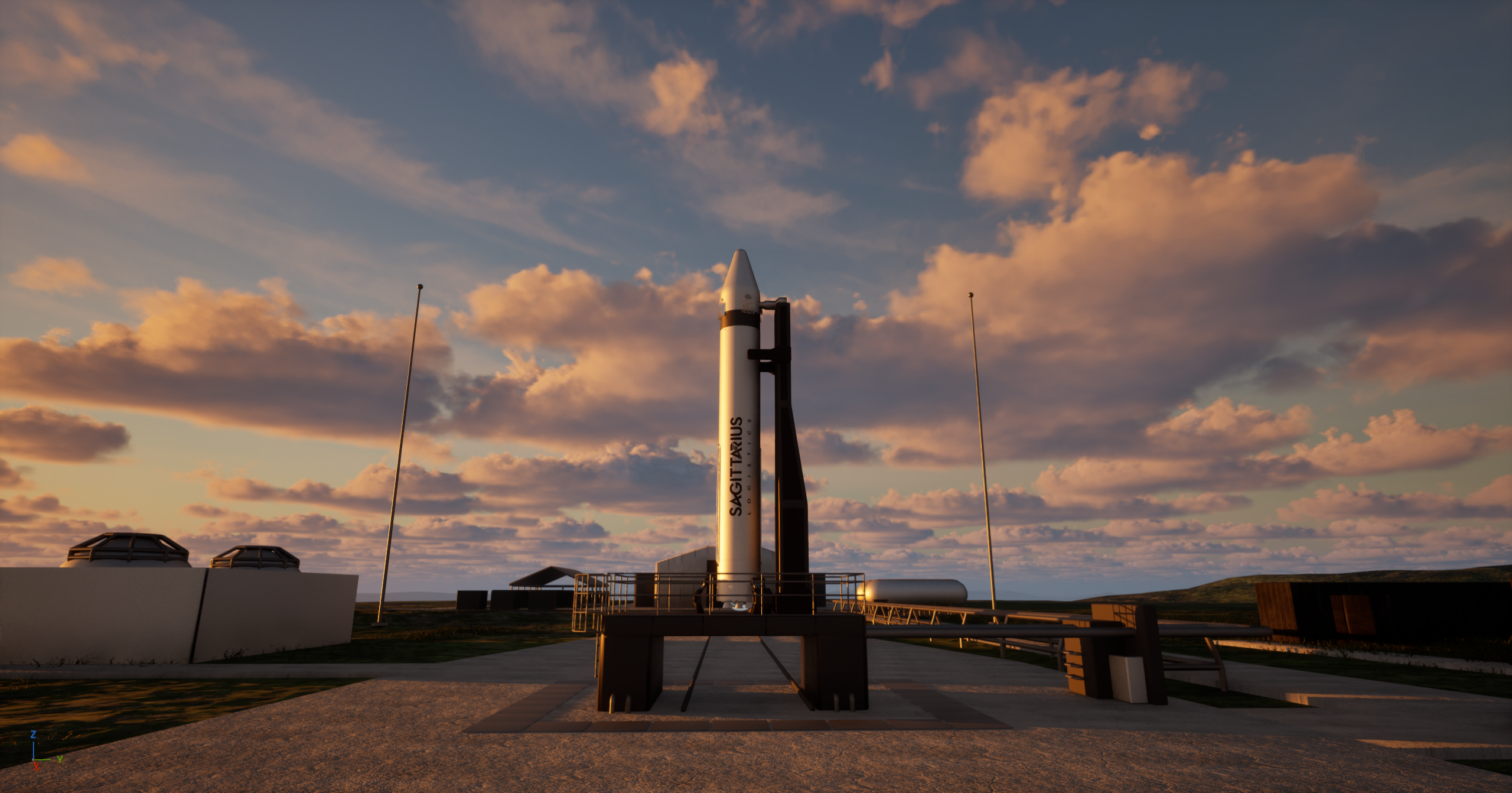
Exclusive: Sagittarius Logistics Raises $1.2M to Build Inland Launch Capabilities
There’s a new launcher in town.
Rocket Lab Ups Neutron Launch Price Ahead of ‘27 Debut
The cost of launch is on the rise.
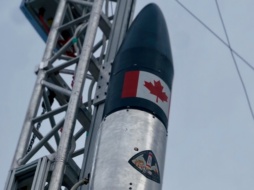
Canada’s Medium-Lift Rocket Ambitions Confirmed In Budget
Canada will upgrade its rockets as part of its Launch the North initiative, which is aiming to support sovereign rockets flying from at least two new spaceports.

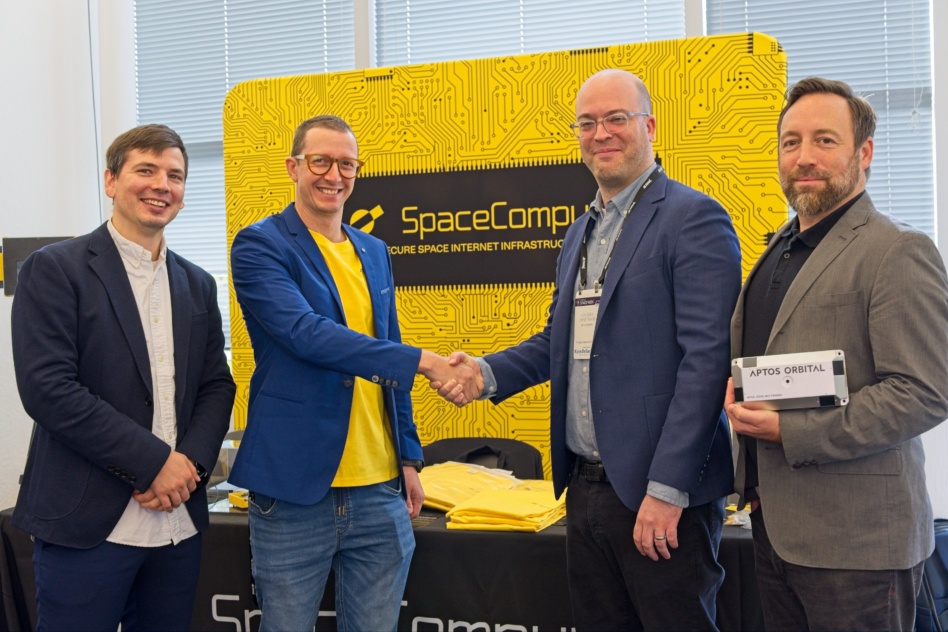
A new security standard is headed to orbit.
SpaceComputer, the Singapore-based in-orbit digital security startup, will fly its Space Fabric secure-compute payload aboard a D-Orbit ION mission next year. The mission aims to test the company’s ability to add a security layer into a satcom network.
How it works: SpaceComputer’s Space Fabric sits on top of a satellite’s compute module and uses cryptographic methods to provide verifiable proof that compute processes run in-orbit were, in fact, run in-orbit.
Keep reading