


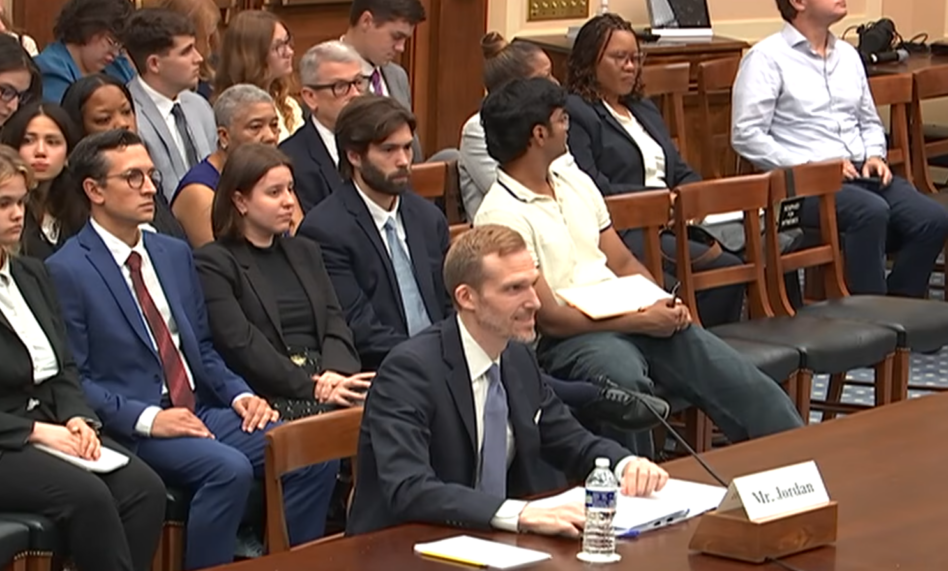
A hearing to review the Office of Space Commerce’s (OSC’s) proposed framework for novel mission authorization became a referendum on whether the office can afford to run it.
On Wednesday, OSC Director Taylor Jordan appeared before the House Science Space and Technology Subcommittee on Space and Aeronautics to discuss the mission authorization proposal OSC released in March. Instead, lawmakers spent much of the hearing criticizing the proposed OSC budget cuts— and Jordan conceded that the budget request would not cover the mission authorization plan, which has not yet been adopted.
Red light: The FY27 budget proposal, released in April, included just $11M for OSC—and no dedicated funding to continue the Traffic Coordination System for Space (TraCSS), an SSA tool that opened the pilot phase to satellite operators in May. Altogether the cuts represent a ~80% markdown from the $52.5M Congress enacted for FY26.
Despite the cuts, Jordan said that the office was still pursuing TraCSS alongside its mission authorization proposal. But Democratic lawmakers weren’t buying that the office could make its budget stretch that far.
- Rep. Zoe Lofgren (D-CA), the ranking member of the committee, doubted OSC could absorb new responsibilities at that funding level.
- Rep. Andrea Salinas (D-OR) asked if the office would lose half its staff if TraCSS ends.
- Rep. Valerie Foushee (D-NC) pressed hardest, calling the effort “trying to fit a square peg in a round hole.”
Mission authorized?: OSC is working to create a one-stop-stop for licensing novel space missions, easing the burden on industry with a single application while the office handles any inter-government coordination with other agencies, including DoD. Lawmakers backed the framework’s goal of streamlining bureaucracy, but questioned execution. Concerns included:
- Interagency review: Can a voluntary review properly screen every risk?
- Streamlining benefits: Will other agencies actually accept the certification, in lieu of their own reviews?
- National security: Can guardrails hold when a presumption of approval could create a loophole for hidden adversaries?
- Accountability: Who pays if a certified mission causes damage, and how is a public review conducted?
- Compliance: What incentive is there to opt in, and can non-participants be blocked?
But Jordan basically said that the new proposed framework—even if it’s not perfect—is better than sticking with the current plan, which puts the government at risk of falling behind industry and not being able to fully meet its Outer Space Treaty obligations.
“The system today that is modular is the best way to move forward—because industry is going to do what industry does, and that’s move fast and provide capabilities that the US federal government relies on,” Jordan said. “We need to give them the confidence, and the clarity to keep doing what they do.”
Looking ahead: While the framework relies on existing authorities, Jordan agreed that action from Congress would make it more robust, including enforcement mechanisms to draw out bad actors. For now, OSC awaits White House approval before it can open applications.
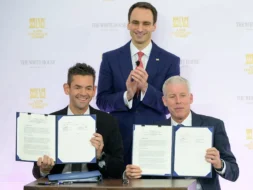
NASA Signs Space Nuclear Pact, Says Moon Base Is Ahead of Schedule
Isaacman gave updates at the White House’s “Science: A New Golden Age Summit.”

DOT Proposes Changes to Part 450 Licensing Rules
On Tuesday, Transportation Secretary Sean Duffy announced five proposed FAA rules aiming to streamline and modernize commercial space launch and reentry regulations.

DOE Announces $400M for Frontier Science Research
The Department of Energy is super-charging research into bleeding edge energy tech.
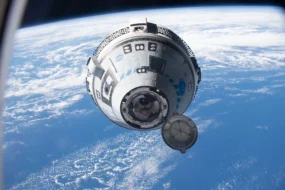
Starliner Targets Uncrewed Flight NET December, Crewed Follow Up in 2028
NASA and Boeing officials announced Monday that they have upgraded and redesigned Starliner following a dicey crewed test flight in 2024, which left NASA astronauts Butch Wilmore and Sunita Williams stuck on ISS for nine months.

This content is restricted to subscribers
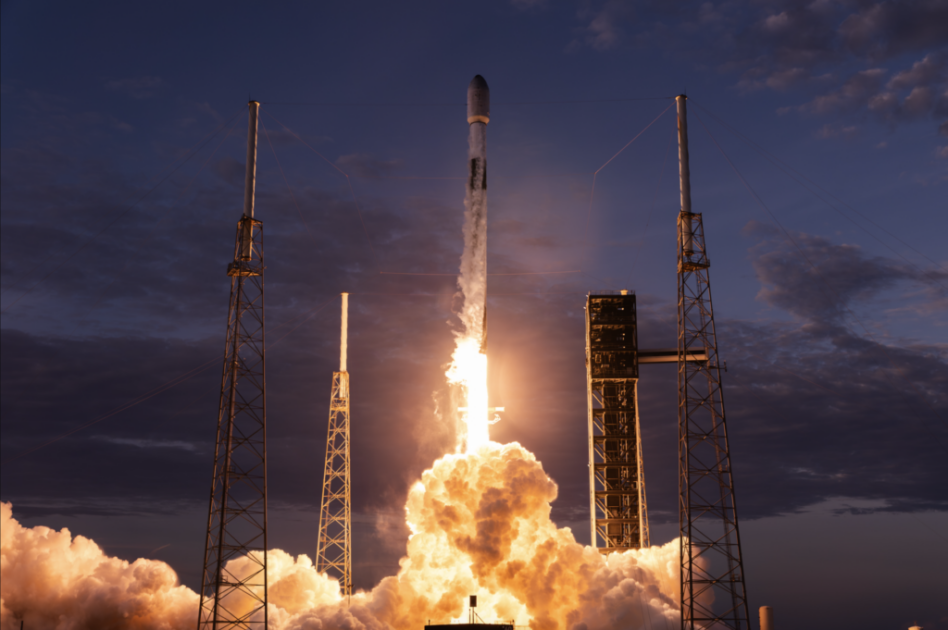
The post Falcon 9 Sales Freeze Anxiety and Our Launch Ramp Forecast Model for New Rockets appeared first on Payload Pro.
Keep reading