


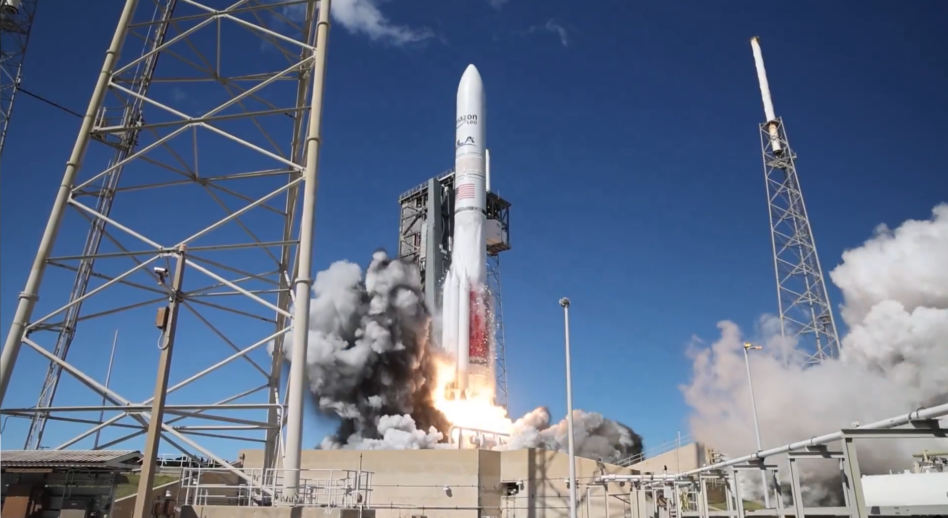
One of the Pentagon’s two workhorses to orbit just got grounded—for the second time this year.
ULA’s Vulcan rocket lifted off Sunday on its first mission for Amazon Leo, carrying 40 satellites onboard. However, an anomaly early in the flight resulted in the loss of all the satellites, triggering an FAA mishap investigation.
“ULA exists to provide assured access to space for our nation and for the customers who depend on us,” the company wrote in a statement on X. “That purpose is why we take on some of the hardest missions in spaceflight, and why we hold ourselves to the standard of mission success. Today, we did not meet that standard.”
The company announced Tuesday morning that the mission was lost 10 minutes into the flight, but that the problems started just after liftoff. Problems with the booster performance resulted in stage separation occurring when the rocket was moving too slow to reach orbit, resulting in the failure.
A look back: It’s the second problem faced by Vulcan this year. In February, a Vulcan launch faced issues with one of the rocket’s solid-rocket boosters, though Vulcan was able to deliver its Space Force SSA payloads into orbit. ULA confirmed that the solid rocket boosters on Sunday’s flight performed nominally.
Despite the successful deployment, the February mission still forced a nine-month grounding of the rocket while the Space Force investigated the problems. In October, the Space Force announced it had reassigned six national-security launches to SpaceX during the grounding.
Vulcan returned to flight on Sunday, only to immediately suffer another, more serious issue.
The NSS-Elephant in the room: The Pentagon’s National Security Space Launch program includes two lanes to get defense payloads into orbit:
- Lane 1 includes less complicated missions that can accept more risk. Those missions are awarded to emerging launch providers, including Blue Origin, Rocket Lab, Stoke Space, and Relativity.
- Lane 2 includes the military’s most complex, no-fail missions. SpaceX’s Falcon 9 and Falcon Heavy, and ULA’s Vulcan, are the only rockets that have flown those missions, though Blue Origin’s New Glenn is also an eligible provider.
Vulcan being sidelined again demonstrates clearly how little redundancy there is in the nation’s ability to launch its most sensitive sats—especially as SpaceX CEO Elon Musk has said the company intends to eventually retire the Falcon family of launchers to focus on Starship.
What this means: It’s easy to think that problems with Vulcan could even further strain limited launch capacity for government and commercial customers. But one investor predicted the anomaly could actually help improve the launch bottleneck, by giving DoD more of a reason to push SpaceX to continue flying Falcon 9 to protect access to space for national security payloads.
“It puts more pressure on the DoD to put pressure on SpaceX,” Lewis Alun Jones, a principal at Generation Space, told Payload. “Part of me thinks that it helps the story, or it helps the DoD push that narrative.”
SEOPS Signs Rideshare Deal With Stoke
The agreement is expected to give those looking for a ride to space another option, as SpaceX prepares to sunset its Falcon 9 rideshare programs around 2029.
SpaceX Catches Starship Upper Stage
SpaceX made history on Saturday, recovering a Starship upper stage from orbit for the first time.
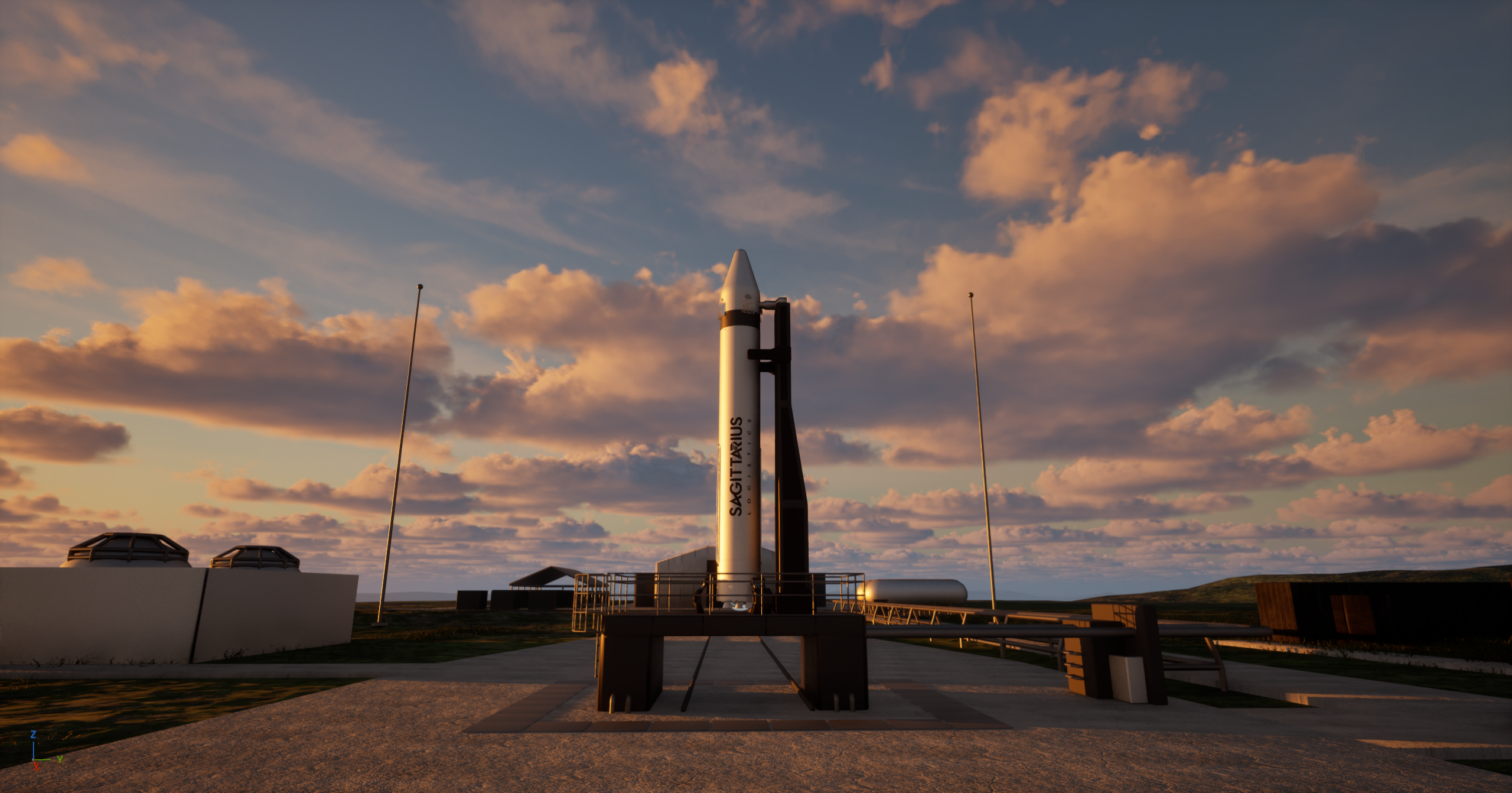
Exclusive: Sagittarius Logistics Raises $1.2M to Build Inland Launch Capabilities
There’s a new launcher in town.
Rocket Lab Ups Neutron Launch Price Ahead of ‘27 Debut
The cost of launch is on the rise.

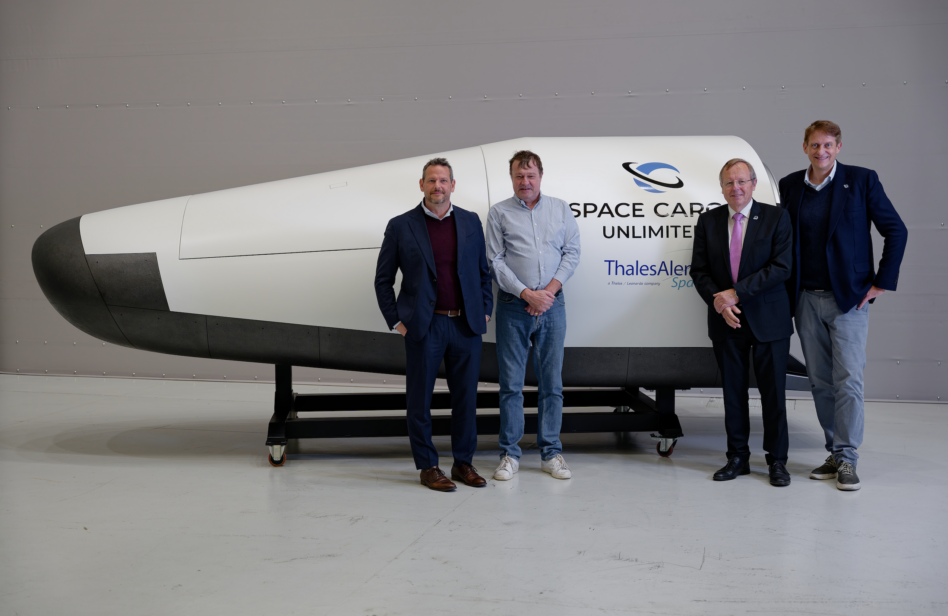
Space Cargo Unlimited unveiled its new reusable reentry vehicle—called REV1—at Space Tech Expo in Bremen, Germany today.
Developed in partnership with Thales Alenia Space, REV1 is designed to increase the total mass Space Cargo Unlimited can bring to orbit and back. The vehicle is targeting a first flight in 2030.
“We have always believed that microgravity can become a new environment for industry, but that potential depends on building the right infrastructure.” Space Cargo Unlimited CEO Nicolas Gaume said in a statement.
Keep reading