


To paraphrase the White House, the US scientific enterprise is so back.
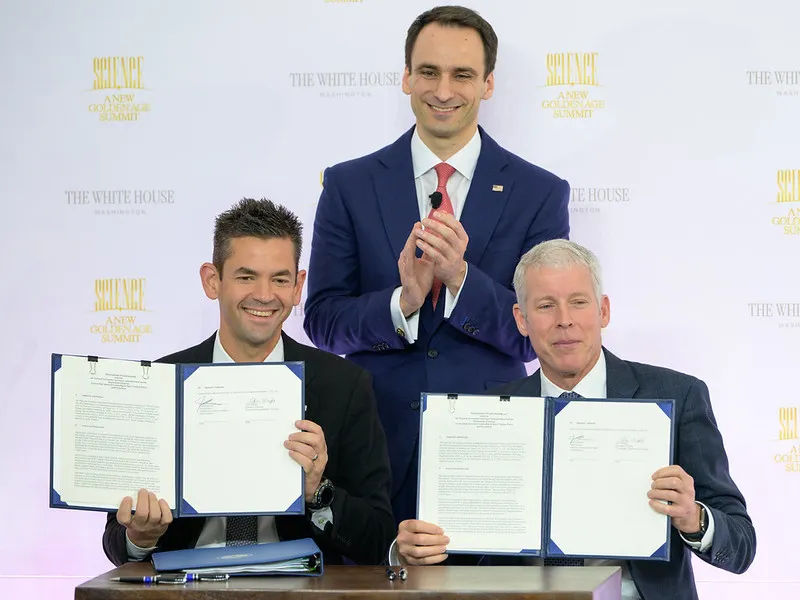
On Thursday, the White House Office of Science and Technology Policy (OSTP) hosted the “Science: A New Golden Age Summit,” following up on the July namesake report.
The biggest space news came from NASA Administrator Jared Isaacman and Energy Secretary Chris Wright, who signed an agreement to accelerate cooperation between the two agencies on space nuclear power and propulsion. Nuclear power plays a central role in the agency’s plans for its Moon Base, on which Isaacman also provided an update.
The agreement was one piece of a $6B+ government wide science package, which included support for 10 NASA Genesis Mission Fellows, who are accelerated PhD students in AI, and science or engineering.
“Adm. Hyman Rickover understood that nuclear power would fundamentally change what was possible at sea,” Isaacman said during his remarks. “NASA and the Department of Energy find ourselves at a similar starting point today. SR-1 Freedom is our Nautilus, and she will launch in 2028. And where we go from here must lead to that nuclear NASA.”
The fine print: The agreement sets a framework for NASA and DOE to jointly design, build, and deploy space nuclear systems and fuels, spanning research, testing, launch integration, and operations. It implements President Donald Trump’s December 2025 space superiority executive order and a White House memo—NSTM-3—launching a national space nuclear power initiative, supporting:
- Space Reactor-1 Freedom: NASA’s nuclear-powered spacecraft—scheduled to launch to Mars NET 2028—is designed to demonstrate nuclear electric propulsion.
- Lunar Reactor-1: NASA’s fission-powered reactor would keep the lights on at the Moon Base, with a launch-ready system due by 2030.
- Radioisotope power: Titan rotorcraft Dragonfly and ESA’s Rosalind Franklin Mars rover will both rely on DOE-supplied radioisotope power and heater units.
Isaacman framed SR-1 as the first step in an “Apollo-like endeavor,” with future missions adding better materials, thrusters, and autonomy on the way to a vehicle that can take astronauts to Mars and back.
Déjà vu: The MoU formalizes existing plans rather than launching new ones. SR-1 debuted at NASA’s Ignition in March, NASA and DOE signed a lunar reactor MoU in January, and Thursday’s agreement came with no new funding figures or cost estimates for nuclear efforts.
Still, industry saw the MoU as an important step.
“The MoU covers fuel, test, and launch approval,” Antares CEO Jordan Bramble told Payload via email. “What sounds administrative is the difference between a paper design that never gets built, and an enduring program that delivers space reactors in 2028 and beyond.”
Ahead of schedule: Isaacman told OSTP Director Michael Kratsios that NASA will beat the national space policy’s original goal of putting the first Moon Base elements in place by 2030. Instead, NASA plans to launch the first element of Moon Base in December, followed by near-monthly uncrewed robotic missions starting in early 2027. NASA is also building a website with the National Design Studio so the public can watch the base go up in real time.
When astronauts arrive, Isaacman said, rovers and hardware will already be waiting. “We’re leaving no doubts this time,” he said. “It’s all in HD.”

DOT Proposes Changes to Part 450 Licensing Rules
On Tuesday, Transportation Secretary Sean Duffy announced five proposed FAA rules aiming to streamline and modernize commercial space launch and reentry regulations.

DOE Announces $400M for Frontier Science Research
The Department of Energy is super-charging research into bleeding edge energy tech.
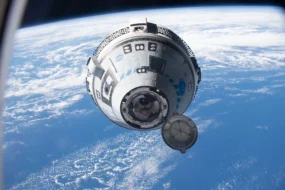
Starliner Targets Uncrewed Flight NET December, Crewed Follow Up in 2028
NASA and Boeing officials announced Monday that they have upgraded and redesigned Starliner following a dicey crewed test flight in 2024, which left NASA astronauts Butch Wilmore and Sunita Williams stuck on ISS for nine months.

Isaacman Doubles Down on New NASA Model for International Partnerships
Isaacman is less than a year on the job, but he’s already upended the way the agency interacts with the rest of the world.

This content is restricted to subscribers
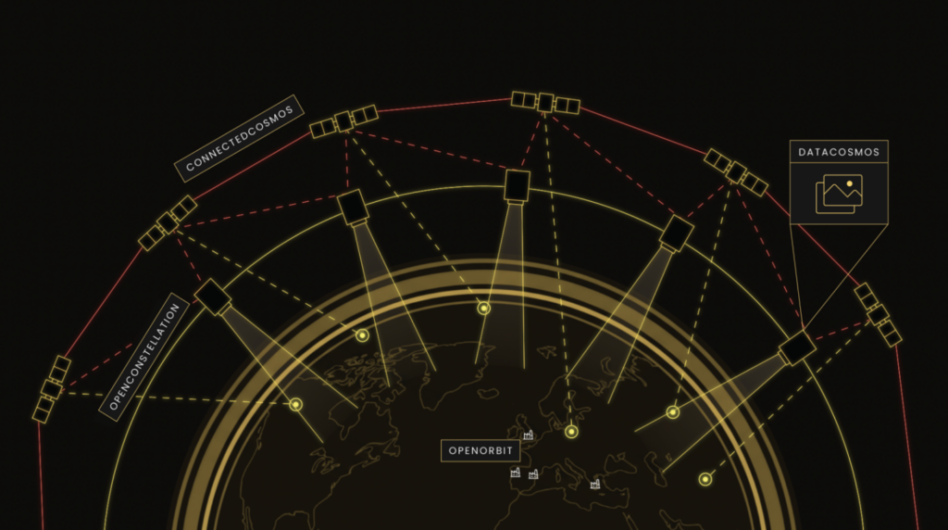
The post Europe’s Earth Observation Providers Set Their Sights on Satcoms appeared first on Payload Pro.
Keep reading