


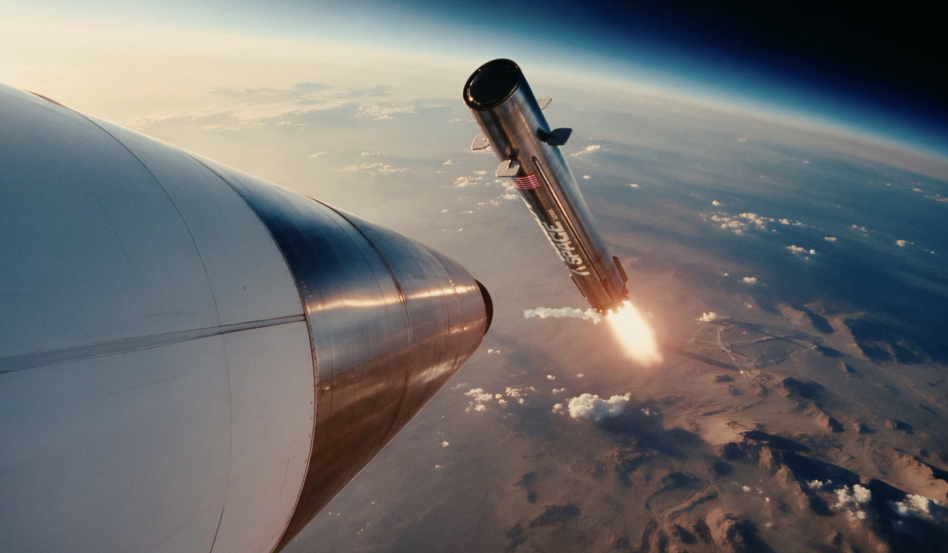
This town ain’t big enough for just one launch provider.
On Monday evening, Cowboy Space pulled back the curtain on Big Iron—a launch vehicle whose upper stage is designed to remain in orbit as a megawatt-class data center.
“What we want to do is put a lot of available power in orbit, in our case to power chips, to power AI data centers,” Cowboy Space COO and Chief Legal Officer Joseph Yaffe told Payload. “The most efficient and most effective way to do that is to build our own vehicle to get us into space.”
Cowboy is also opening Big Iron to outside customers—who can fly payloads that need up to a megawatt of power—through a program dubbed Big Iron Express. “Launch capacity is at a premium right now, if available at all,” Yaffe said.
But many of the alternatives—Big Iron included—have yet to fly, and government customers “want to see a completed rocket,” Yaffe said.
Horsepower check: Big Iron is no lightweight. To move fast and keep costs down, the team turned to proven architectures, and designed for existing infrastructure.
- The 86 m stainless-steel vehicle is sized to be transportable by road.
- Each vehicle is designed to carry 15,000+ kg to sun-synchronous orbit.
- Nine liquid-oxygen and methane “Clydesdale” engines will power the first stage—each providing 300,000 lbs of thrust.
Cowboy tested part of the Clydesdale at NASA’s Stennis Space Center last week. A ~30-person team built and tested its combustion chamber in 90 days, and the company is “almost a year ahead of schedule,” Yaffe said.
Rather than being discarded, the upper stage joins Cowboy’s constellation. Once deployed in dawn-dusk orbit, each sat will measure 132 m by 73 m and carry five racks of NVIDIA Vera Rubin GPUs.
Two-trick pony: To make every kilogram sent to orbit count, many of Big Iron’s parts take on a second job once they’re in orbit.
- The rocket’s skin becomes the data center’s radiator;
- Ammonia propellant works a double shift as coolant;
- Nitrogen that pressurizes the second stage also deploys the solar wings.
“If you build a small satellite with GPUs on it, you’re going to have to put radiators on it,” Yaffe said. “And so you’re paying for that same metal twice to lift it into space.”
Hold your horses: Cowboy got its first taste of orbit with Reason-1, a laser power beaming demo sat that launched Oct. 1 aboard SpaceX’s Transporter-18. Yaffe said the first beaming attempt will likely happen in the next few weeks, and testing so far has turned up “zero red flags.”
Reason-2—slated for launch in 2027—will run GPUs in orbit for commercial and government customers, including a NOAA effort to process weather data in space.
Cowboy is targeting Big Iron’s first flight in 2028. From there, it’s off to the races to scale Stampede, its planned constellation of up to 20,000 sats, pending FCC approval.
“We just still have a lot of executing to do,” Yaffe said.
Reaction Dynamics Targets 2031 for Borealis Medium-Lift Launch
In the contest to build up commercial launch capabilities in Canada, Quebec-based startup Reaction Dynamics has entered a new weight class.

RATLOG Wants to Cut ~90% of a Rocket Engine’s Parts
The heavy-lift rocket startup debuted on Y Combinator as part of the Fall 2026 batch.
Reflect Orbital Buys Two Skyroot Aerospace Launches
Reflect Orbital announced the purchase of two launches today from Indian launcher Skyroot Aerospace.

DOT Proposes Changes to Part 450 Licensing Rules
On Tuesday, Transportation Secretary Sean Duffy announced five proposed FAA rules aiming to streamline and modernize commercial space launch and reentry regulations.

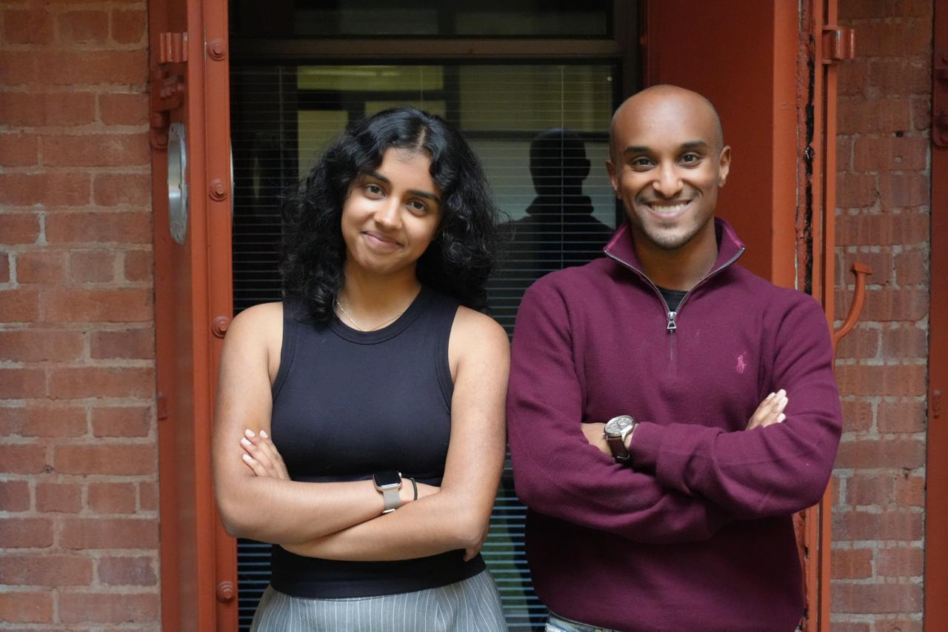
The space industry thrives on its ability to develop new and novel technologies, but how do you hire a team to help you build something that’s never been built before?
San Francisco, CA-based startup Colare launched its technical-assessment platform today aiming to solve this conundrum.
The launch coincides with the closing of a $2.5M pre-seed funding round, which includes investment from Afore Capital, Garage Capital, and Acadian Ventures. The funding will help the company expand its team, and the roles it can help clients hire for.
Keep reading