

Business
Stories on space business, including company updates, funding announcements, and contract awards.
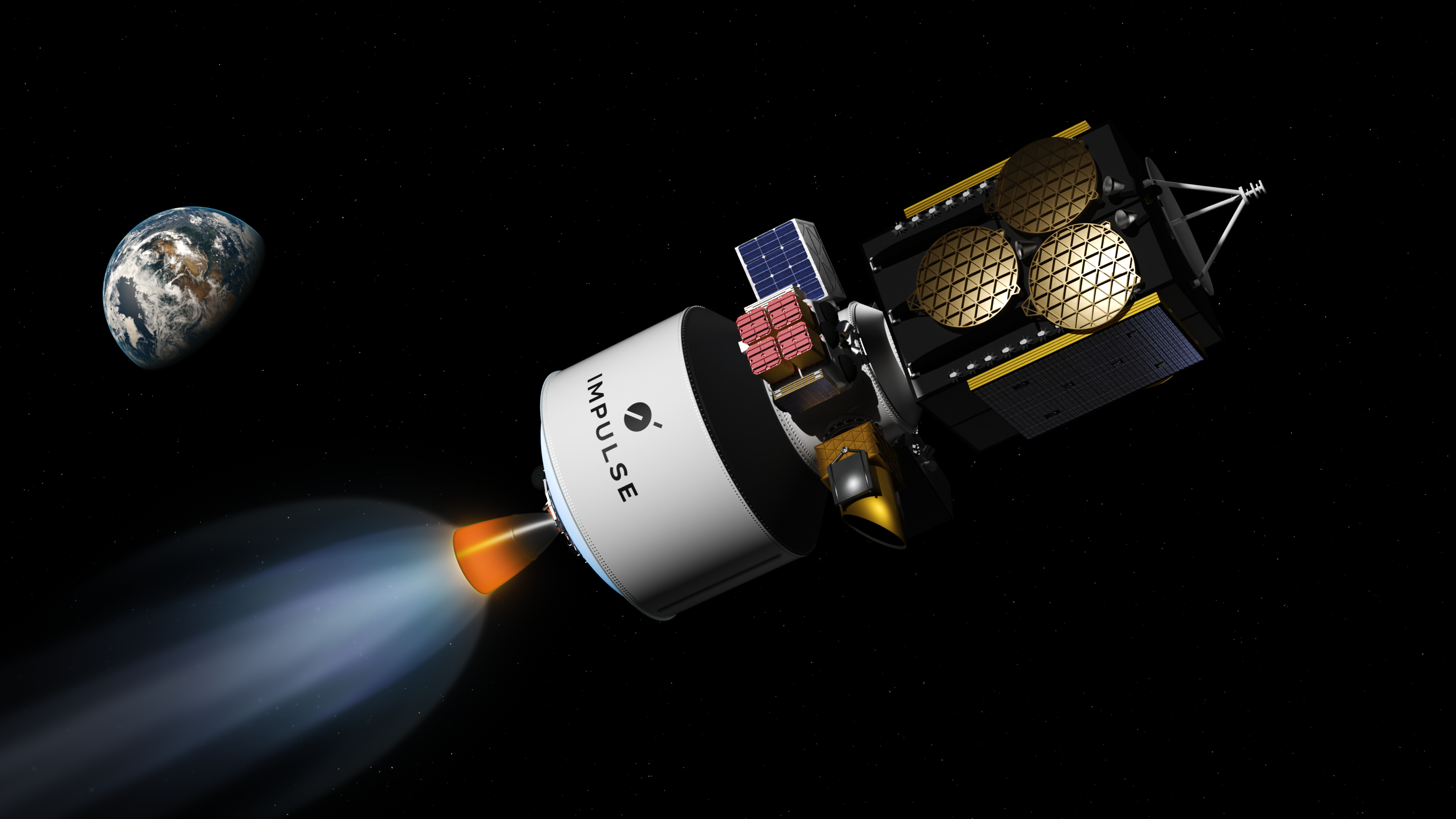
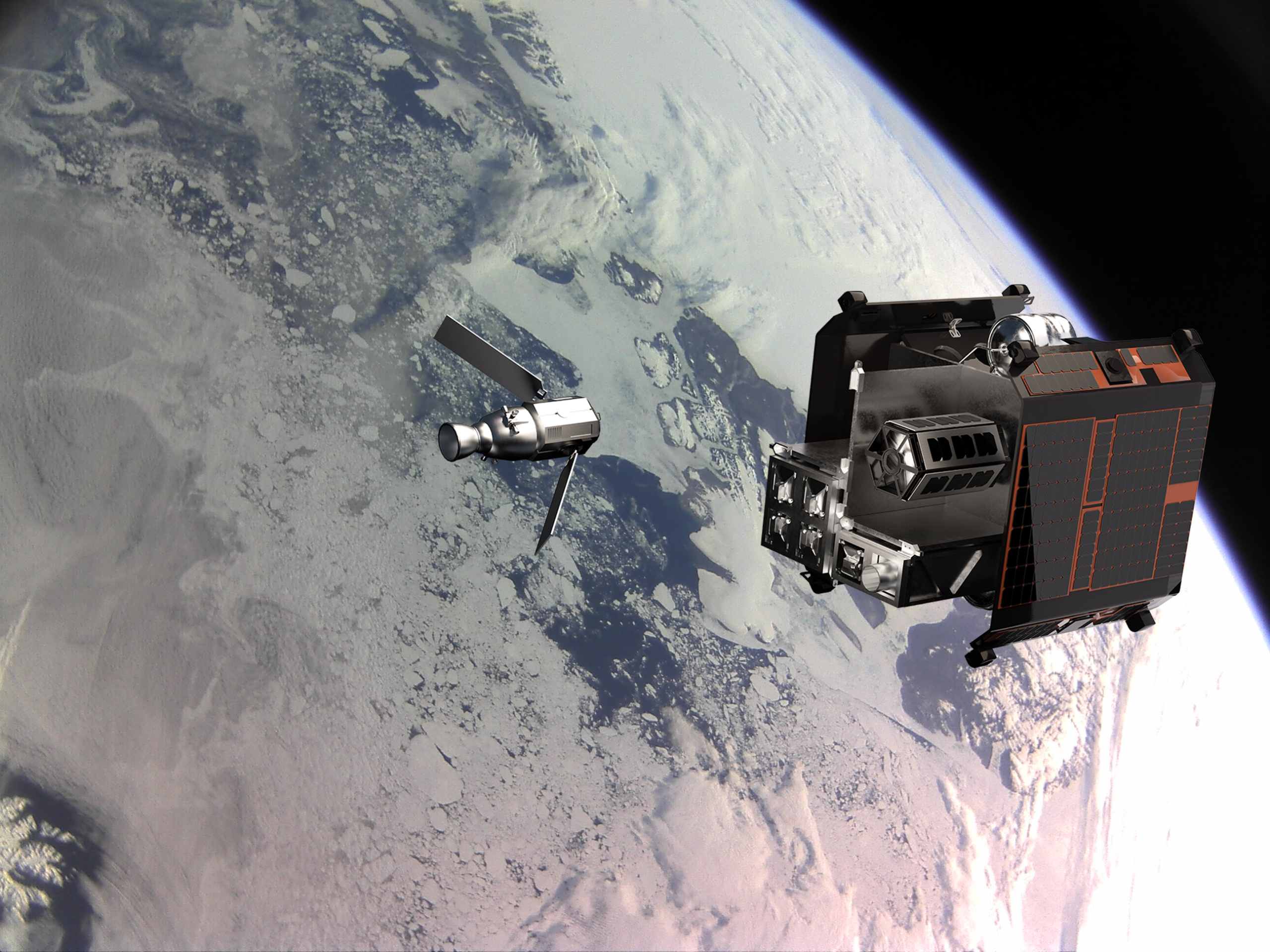
Dude, Double VICTUS! Impulse Wins Two Tactical Space Missions
Military officials chose Impulse Space to fly two different tactically-responsive demonstration missions with its high-powered spacecraft in 2026.
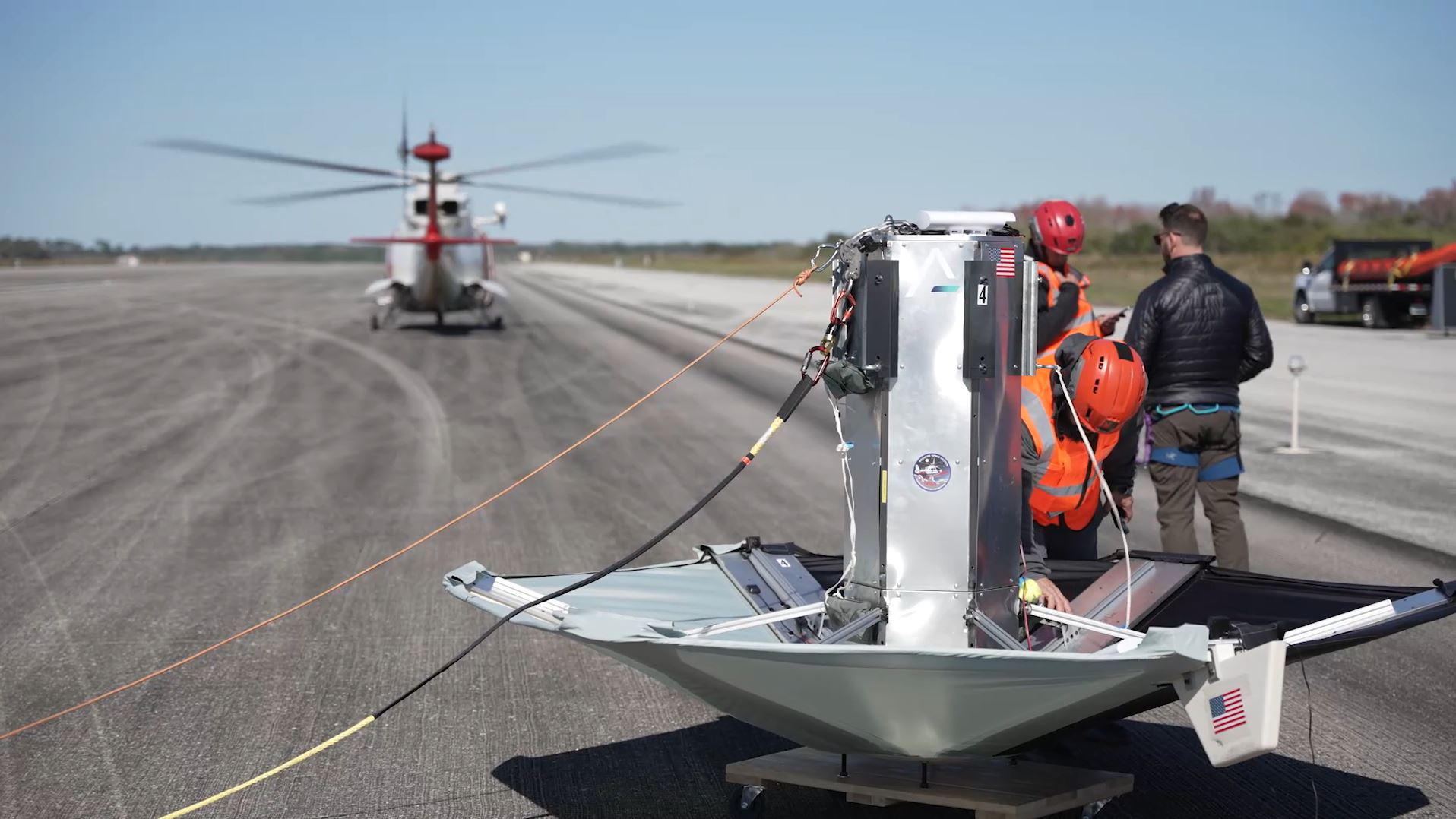
Sierra Space Enters the Delivery Business
Sierra Space won a $980,000 AFRL contract to study how its Ghost reentry spacecraft could provide point-to-point delivery services for the US government.
ESA’s To-Do List for an EO Boom
The strategy commits to utilizing commercial EO capabilities wherever possible, reaffirming ESA’s strong public-private relationship.

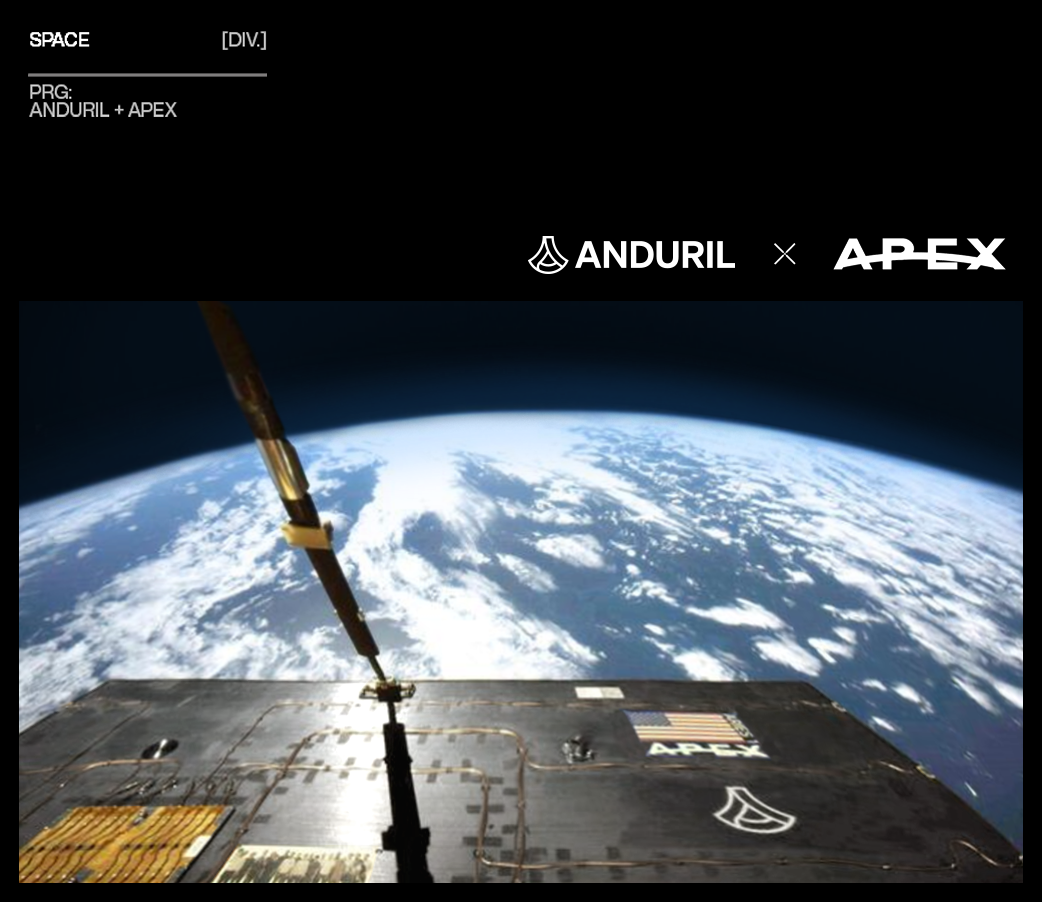
Anduril, Apex Team Up to Serve Government Customers
The defense tech startup announced Tuesday that it will use Apex’s satellite buses for missions ranging from space situational awareness to missile warning and tracking, according to a press release.
SDA Awards $1.9M for Deorbit Studies
Six companies will complete the studies this year to explore redundant, cost-effective contingency options for the SDA’s future satellite disposal needs.
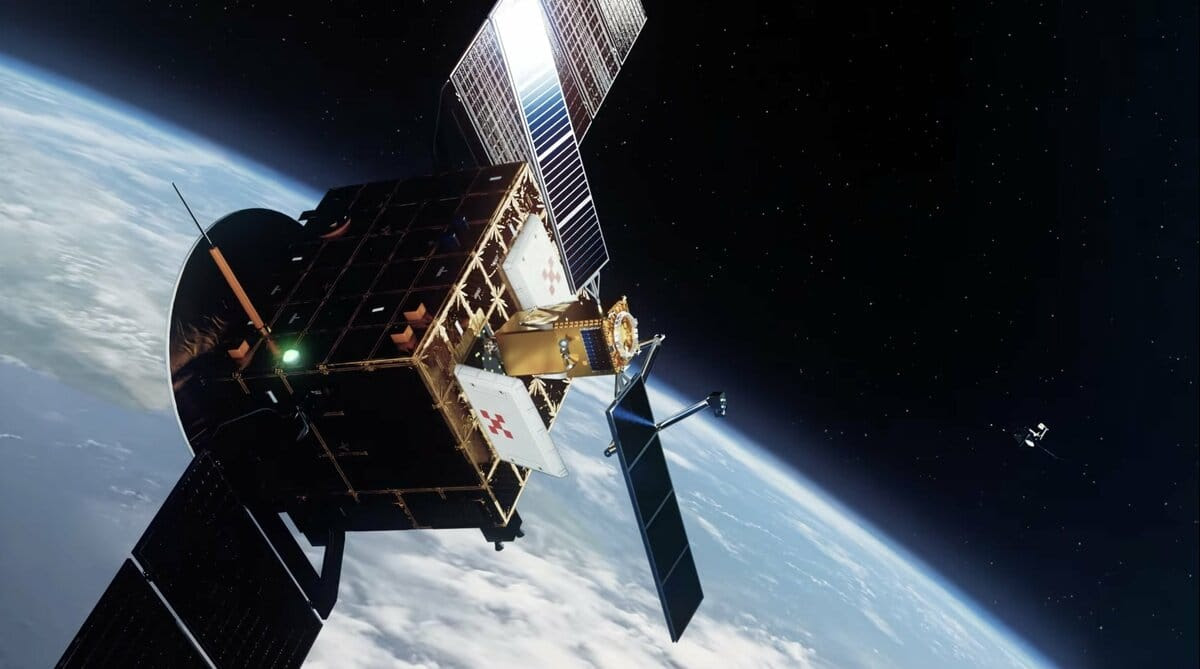
D-Orbit Eyes Global Expansion After Closing $166M Series C
D-Orbit is developing a suite of space logistics capabilities while offering services as a satellite integrator and deployer.
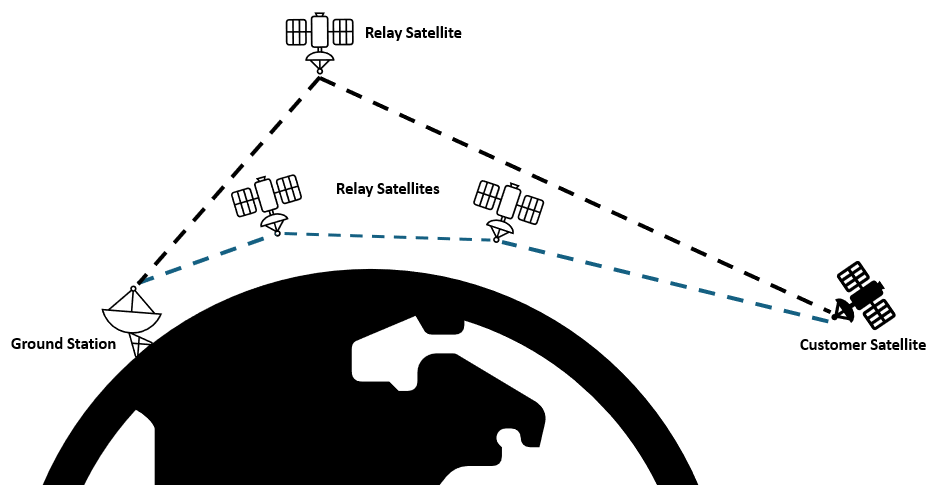
Impact of In-Space Relay Networks on Ground Station as a Service
Traditional Ground Station as a Service (GSaaS) providers will soon face competition from relay communications networks that promise faster transmitting, simplified licensing, and potentially lower cost.
Maxar Opens UK HQ for International Government Biz
Part of the team’s directive is to uncover ways to tailor Maxar’s data and analytics tools to fit the individual intelligence gathering needs of allied nations.

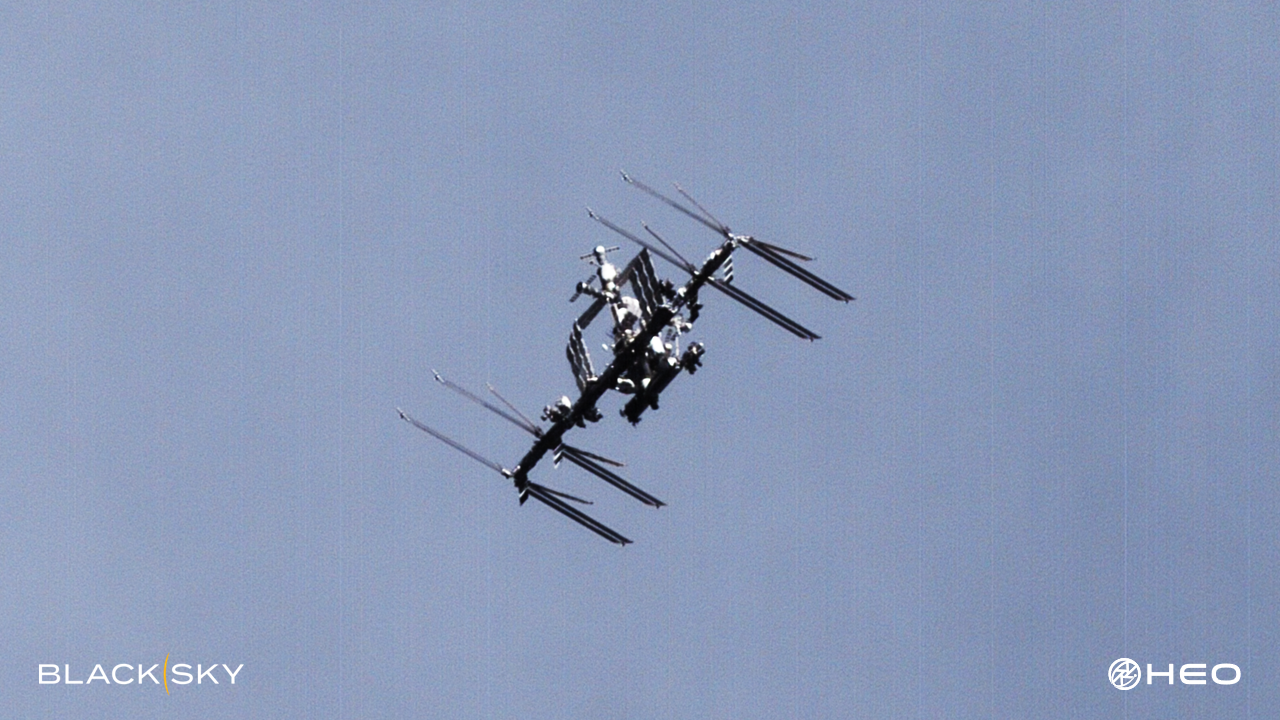
BlackSky Expands Non-Earth Imaging Capabilities with HEO Deal
Intel collected by non-Earth imaging (NEI) provides greater space domain awareness for defense and commercial assets on orbit.
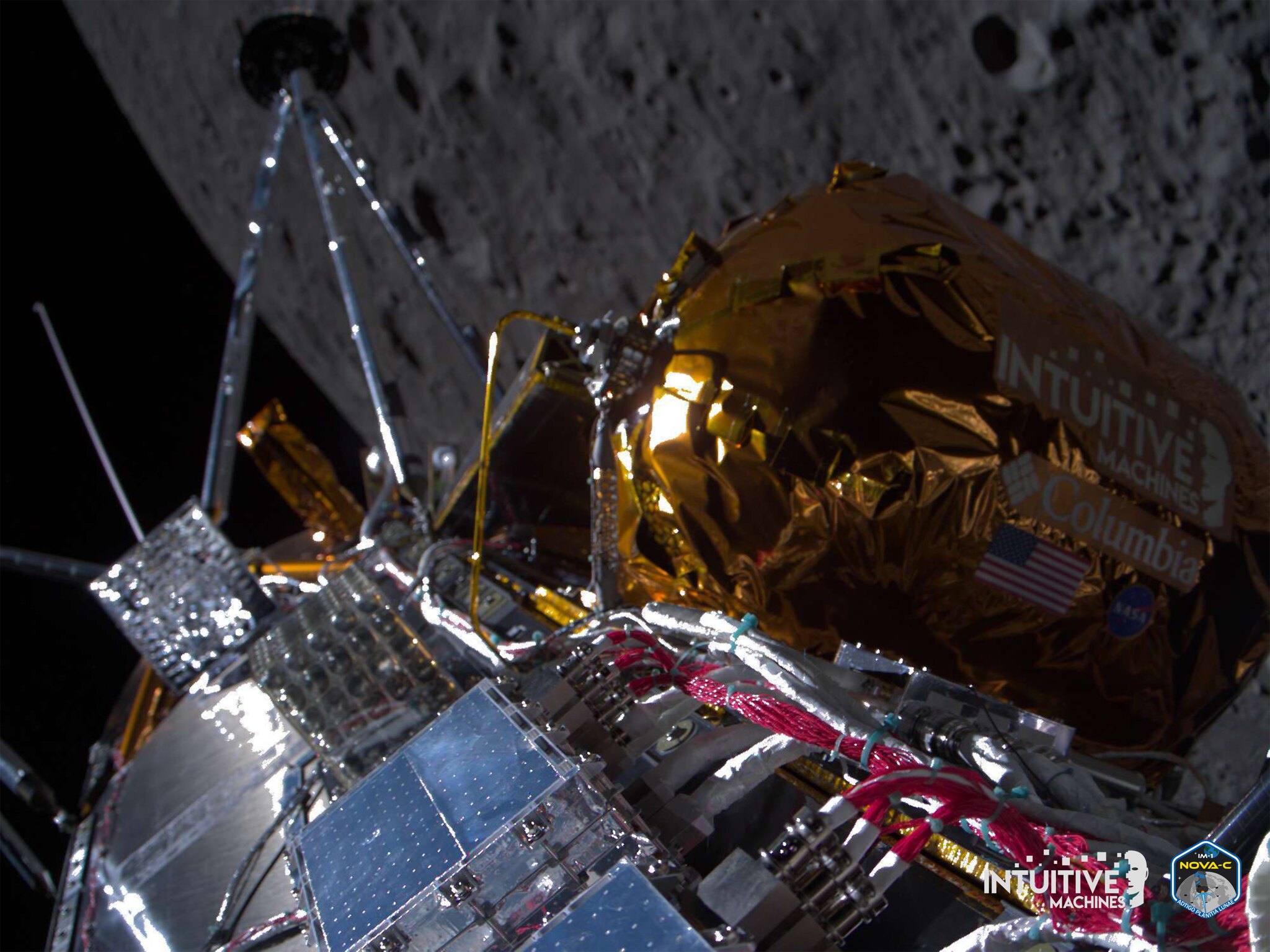
Intuitive Machines Will Build A Lunar Communications Network
“We sell minutes on the network, something like a million minutes a year, to NASA.”
Planet Labs Commercial Revenue Is Softening
When Planet Labs went public in 2021, the company touted a commercial Earth observation market on the verge of an inflection point.
The opposite has happened.

Esper Satellites’ Sales Surge Despite Losing Its First Satellite
The startup’s sales have ballooned from less than $1M in revenue at the start of the year to more than $10M now, CEO Shoaib Iqbal revealed to Payload.

Defense Tech Firm Anduril Brings AI Software to Space
Anduril is formally jumping into the space game: expanding its AI-powered tech into space to working on national security missions.