

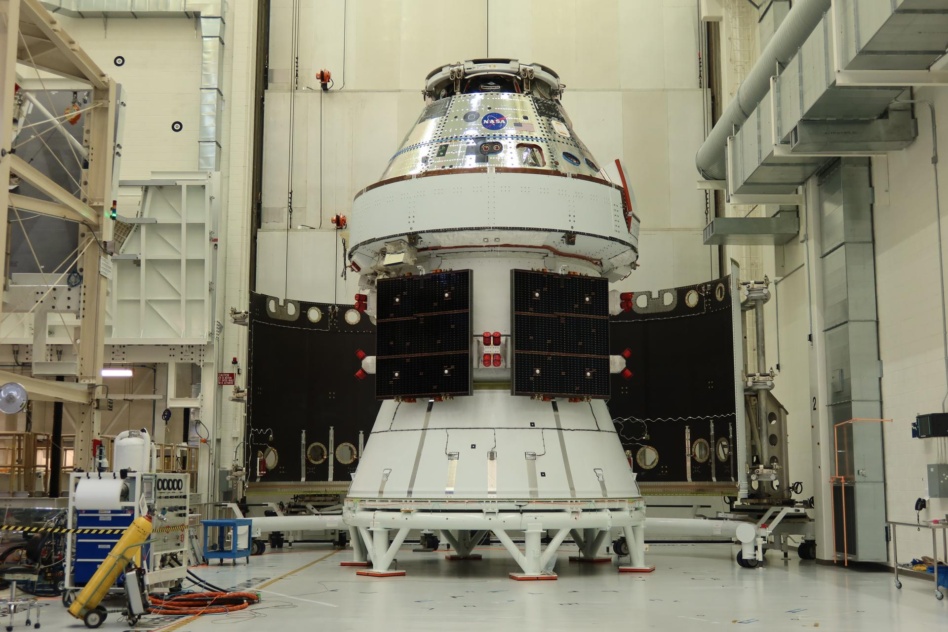
The spacecraft set to carry humans into lunar orbit for the first time this century is in NASA’s hands.
Lockheed Martin delivered a completed Orion spacecraft to the agency’s Exploration Ground Systems team yesterday. It is scheduled to carry four astronauts around the Moon during the Artemis II mission in early 2026.
Long pole: Kirk Shireman, the Lockheed VP in charge of the Orion program, said battery packs that failed extreme shock tests and needed to be redesigned caused most of the delay. Nonetheless, Shireman said each Orion vehicle has been delivered faster than the one before, and at lower cost. Lockheed teams are already at work on the Artemis III and IV vehicles.
Skip adjuster: Though Orion returned safely from the uncrewed Artemis I round-the-Moon test mission in 2022, chunks of its thermal protection system unexpectedly broke off in the extreme environment of reentry. Lockheed and NASA did months of tests and analysis to ensure astronauts wouldn’t be in danger and ordered a redesign for the Artemis III vehicle.
However, the agency determined that the same heat shield—which had already been constructed—could be used for Artemis II, as long as its “skip” reentry trajectory is shortened to limit heat exposure.
Hello, Starship: Shireman said that Lockheed is working with SpaceX on docking procedures for an Artemis III Moon landing, in which Orion would carry astronauts to lunar orbit and transfer them to Starship for the final descent to the lunar surface. Artemis II’s Orion vehicle will carry a docking camera and perform a practice rendezvous with the SLS’s upper stage.
Veto threat: The nominee for NASA administrator, Jared Isaacman, seems set to pursue a Moon landing. But he has spoken of switching the launch of future Artemis missions away from Boeing’s SLS to newer vehicles like SpaceX’s Starship or Blue Origin’s New Glenn.
“The fastest way to get Americans back to the Moon—we want to beat the Chinese—has got to be flying Artemis III on SLS,” Shireman said. “But could you fly Orion on a different vehicle, like a [Blue Origin] New Glenn? There’s some modifications…but nothing that’s extremely difficult.”
Inversion Space Wins NASA Contract to Study Aerocapture Flight
NASA announced today it awarded Inversion a contract to study a new method of interplanetary travel which uses a planetary body’s atmosphere to slow incoming spacecraft looking to enter into orbit.
Fermi Explorer Wants to Reach Another Star for $15M
The Starcloud cofounders announced the Fermi Explorer mission, launching humanity’s first mission to Alpha Centauri by 2029, on a $15M budget.
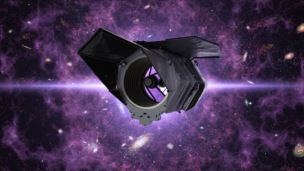
Roman Space Telescope Begins Its Journey to L2
The Nancy Grace Roman Space Telescope launched at 7:26 am ET on Sunday from KSC aboard a SpaceX Falcon Heavy rocket, starting its journey to Lagrange Point 2 and beginning a lengthy commissioning period.

Space Weather Losses to Double by 2035, Report Finds
A new report from Mission Space estimates that solar storms will cost $20.65B in 2026, rocketing to $44.27B by 2035.
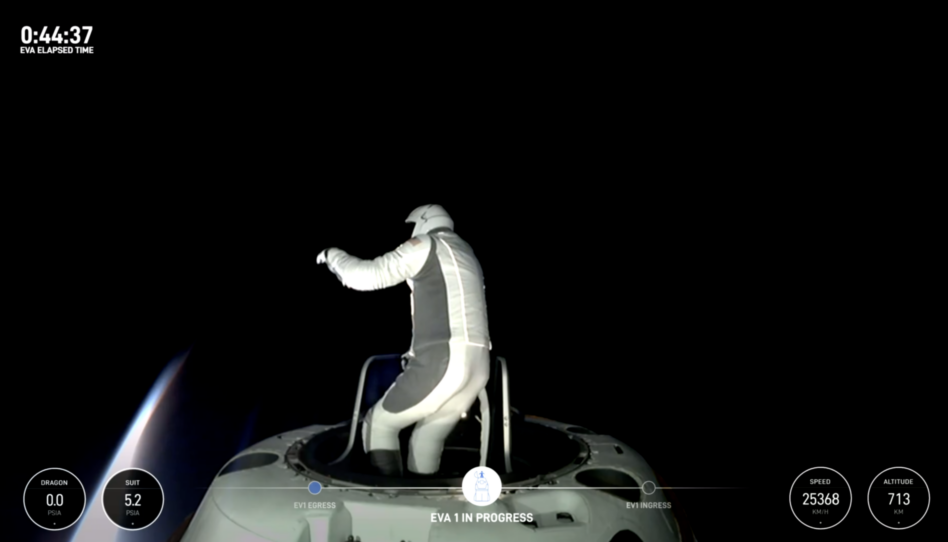
Jared Isaacman’s nomination to lead NASA will come before the full Senate after being approved by the Senate Committee on Commerce, Science, and Transportation by a vote of 19-9.
The full body is expected to approve the nomination in the weeks ahead, but when that happens is subject to a procedural tug-of-war between the two political parties.
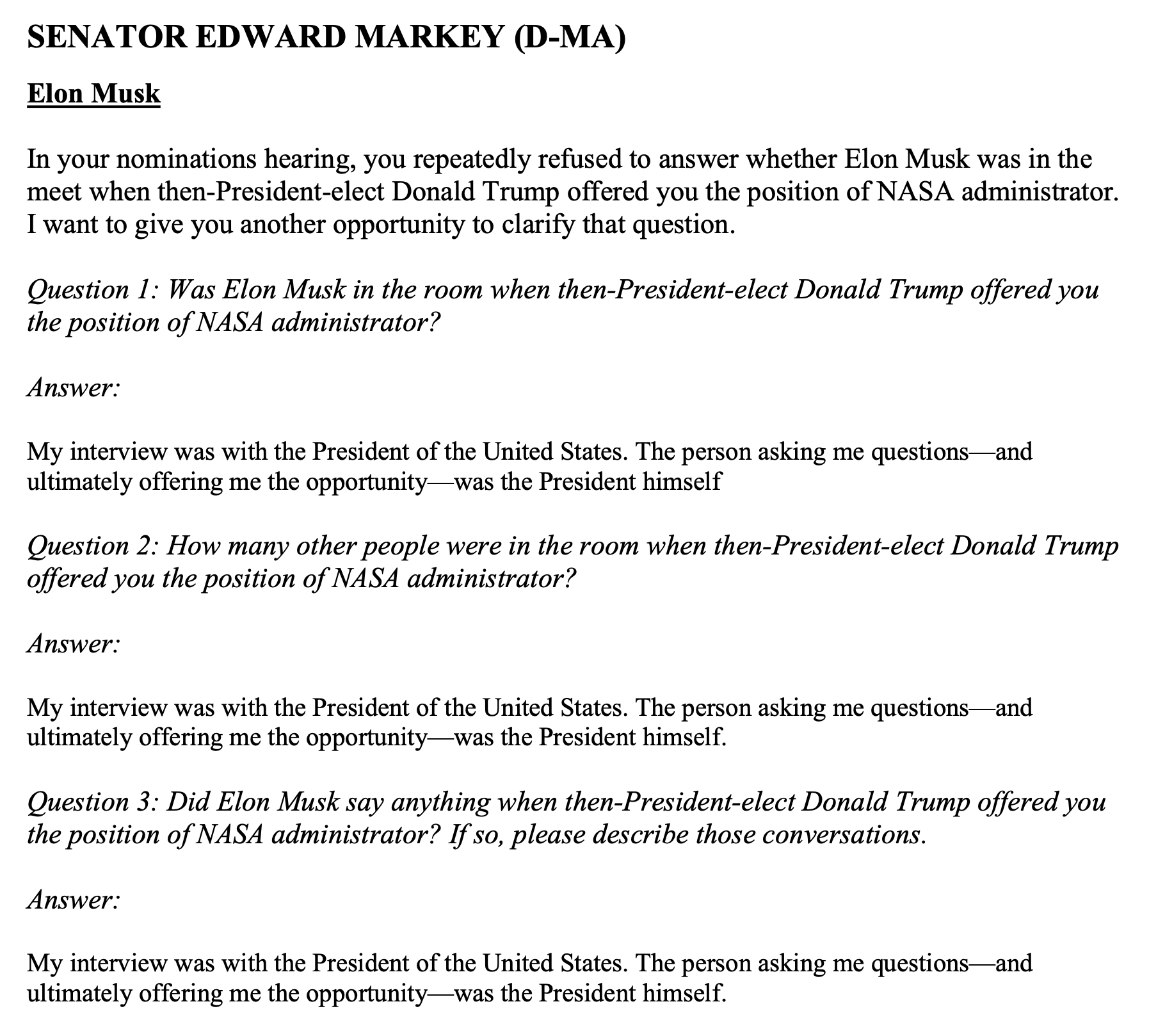
Price to pay: Committee Chair Sen. Ted Cruz (R-TX) made clear he was voting “yes” because of Isaacman’s commitment to prioritize the Artemis lunar program instead of Martian exploration. That may put Isaacman in conflict with SpaceX CEO Elon Musk, who definitely may or may not have been in the room when the NASA chief nominee won over President Donald Trump.
Keep reading