
International
Stories around the biggest global space news, including from Europe, India, and Japan.
Canadian Companies Partner on SDA Sat Solution
This announcement comes as SpaceX opens its SSA catalog gratis to smallsat operators, and LeoLabs readies to demo its SDA for US national-security missions under a $20.68M Space Force Prototype OTA.
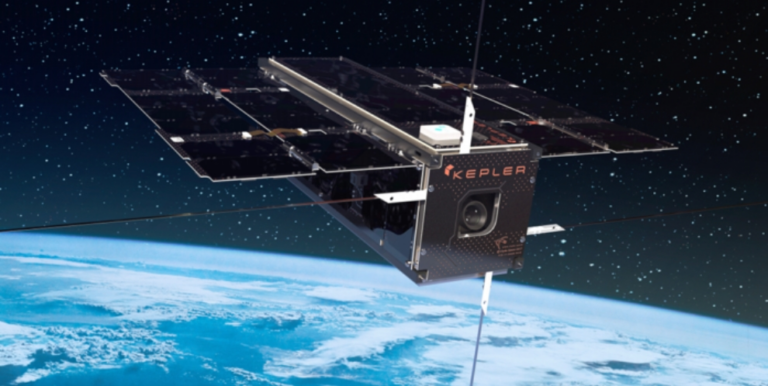
Exclusive: OrbitAID to Launch RPO Demo in 2027
“Most RPO demonstrations to date have qualified a single piece of the sequence, either far-range inspection or close-approach maneuvering, in isolation,” he said. “OrbitAID’s mission is designed to prove the entire satellite life extension in a single flight.”
Letara Raises ¥2.6B to Build its Hybrid Rocket Engine Tech
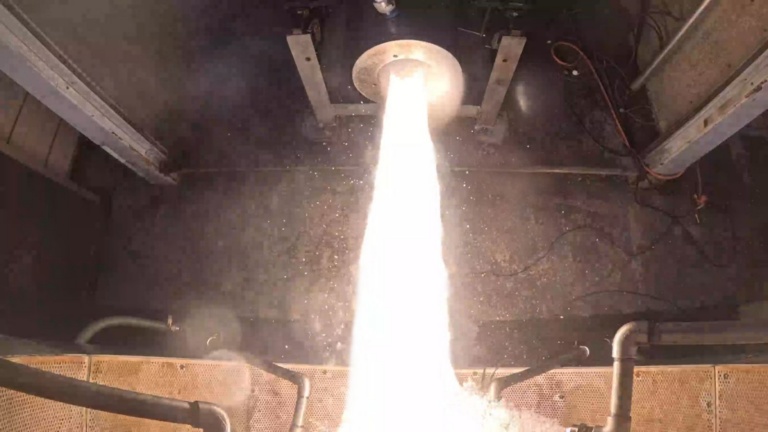
Japanese propulsion startup Letara closed a ¥2.6B ($16M) pre-Series A round to fund the development of its low-cost, hybrid engine tech.
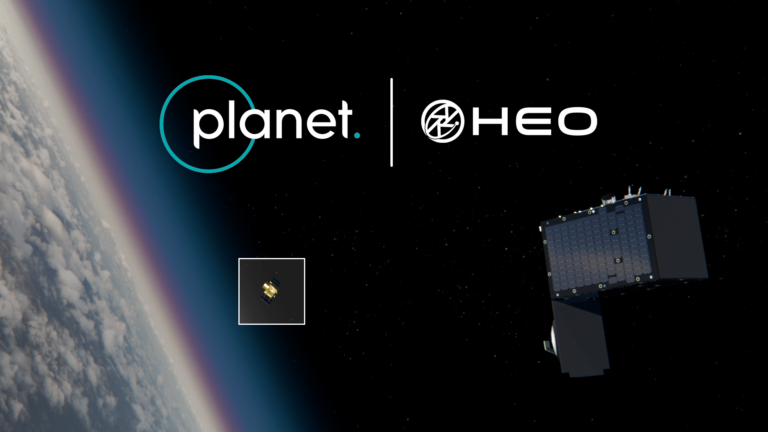
HEO Taps Planet Labs to Expand its NEI Network
The deal expands HEO’s NEI network to 50+ in-space sensors, allowing customers to capture more frequent, high-resolution images of objects on orbit—from a wider range of angles.
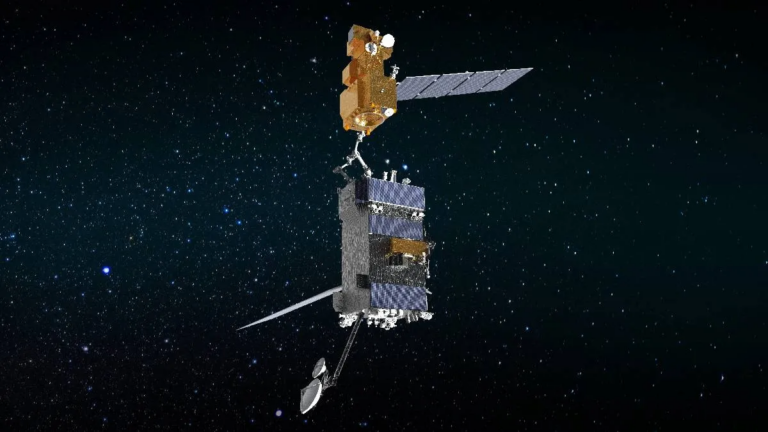
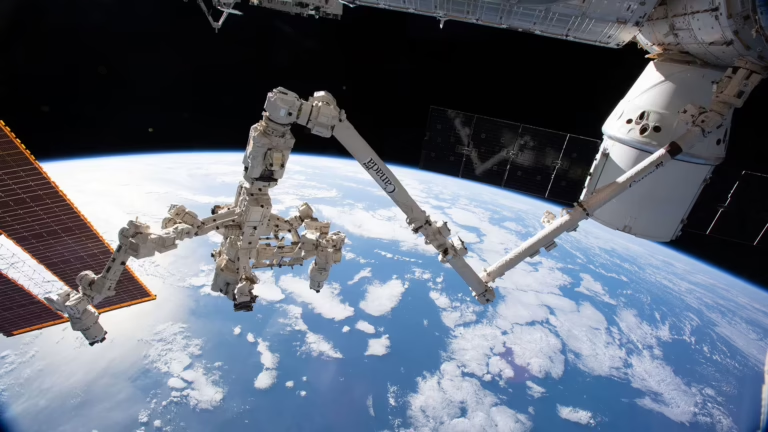
MDA Space Will ‘Repurpose’ Canadarm3 For Lunar Surface
MDA Space will “repurpose” its microgravity robot-arm tech for lunar surface operations after the US space agency put the Gateway plans on hold.
NordSpace Funds NVD Amid Canada’s Export Push
NordSpace Ventures announced an investment in North Vector Dynamics this week, a company building full-spectrum sovereign missile capability.

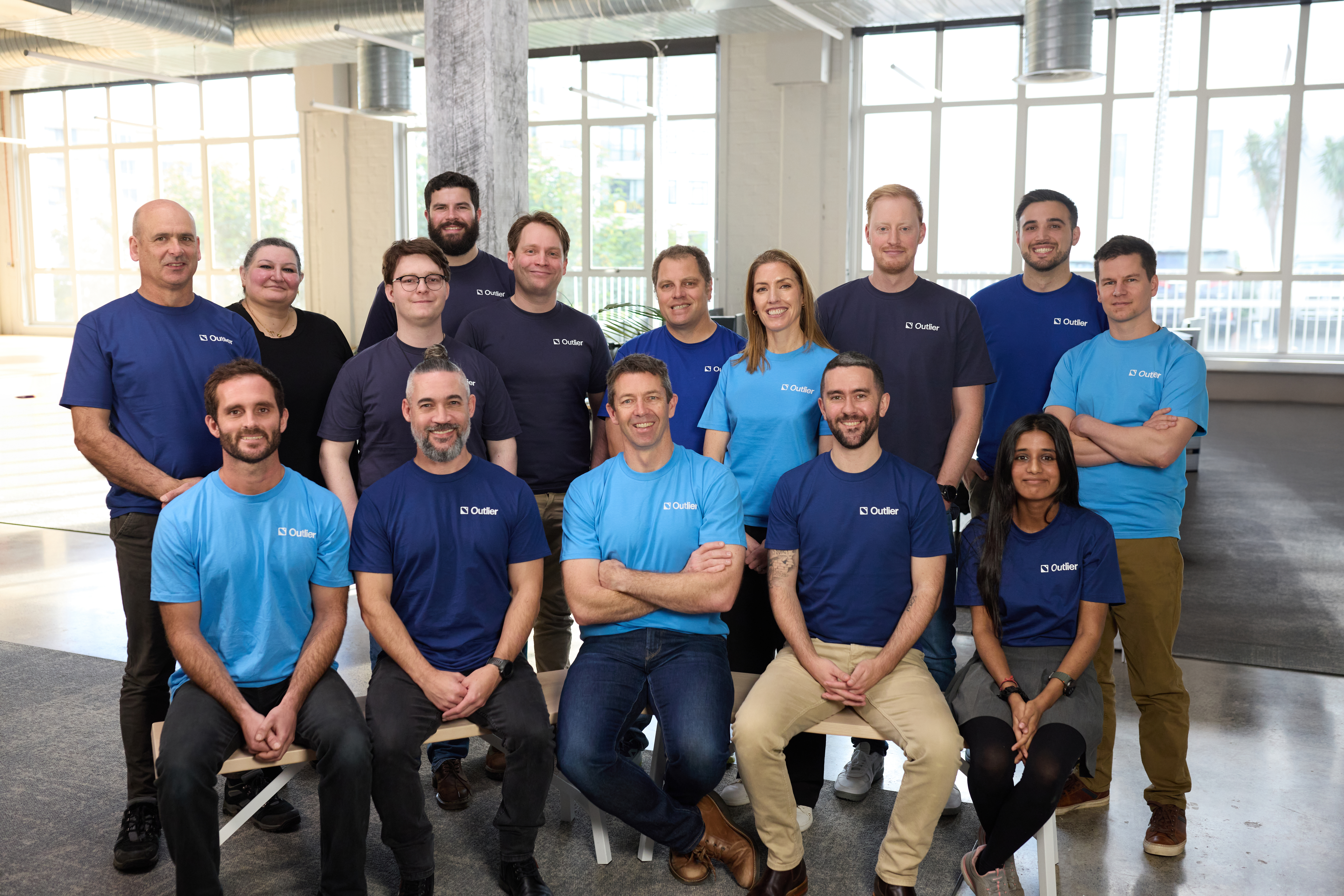
Outlier Space Raises $7.3M to Build New Zealand’s First Reentry Vehicle
Outlier Space announced a $7.35M round yesterday to develop its microgravity research and return vehicle, scheduled to fly its debut mission in 2028.
New Report Maps Potential Futures for Africa’s Space Ecosystem
Africa is jockeying to become one of the next world space powers.

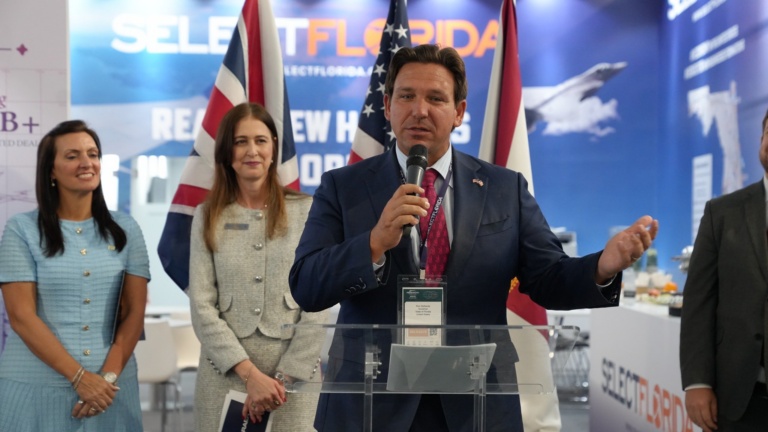
The UK and Space Florida Launch Joint Fund
The new fund supports projects with at least one partner headquartered in each region.
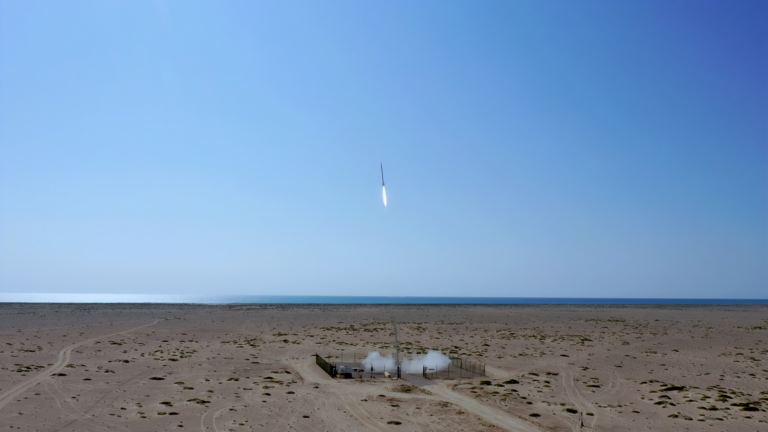
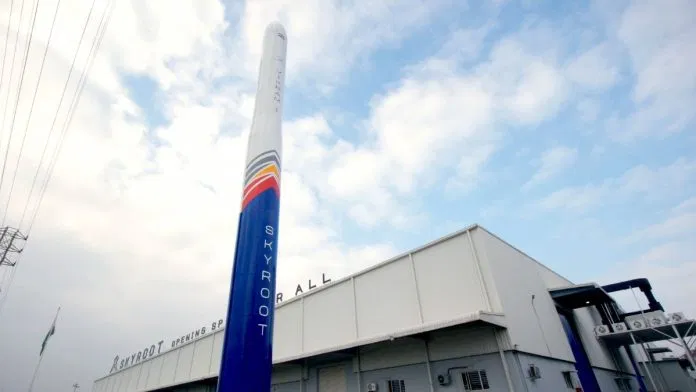
Skyroot Aerospace Reaches Orbit with Vikram-1 Rocket
Skyroot Aerospace became the first private Indian company to reach orbit on Saturday, when its Vikram-1 rocket lifted off from India’s primary spaceport—the Satish Dhawan Space Centre.
ISU Founder Shares a Vision Beyond Liquidation
Payload spoke with ISU cofounder Bob Richards and Dean Emerita Angie Bukley about what happened, and what comes next.

Spinifex Space Launches With Australian Test Ranges
Spinifex Space will provide end-to-end suborbital launch campaigns, private range access, and test and evaluation (T&E) infrastructure.

Inside the Deepening Ties Between Europe and the Middle East
While European sovereignty may be driven by a response to the deterioration of geopolitical ties to the US, it’s opened the door for Middle Eastern space companies.