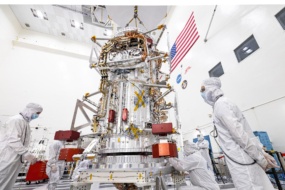
Europa Clipper’s Chips Are Good Enough For Jupiter
JPL launched a Tiger Team to assess if the $5B spacecraft could survive its Jovian voyage as-is.
Stories about the tech that’s driving the new space age.
JPL launched a Tiger Team to assess if the $5B spacecraft could survive its Jovian voyage as-is.
The Global Positioning System has long been one of the most important and widely-used services in the world but the US navigational network is showing signs of aging, slipping into a pattern of maintaining the status quo rather than driving innovation.
Nokia has designed a “network in a box” that it will test on Intuitive Machine’s next uncrewed lunar mission.
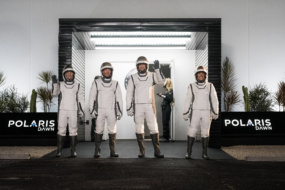
The five-day mission will be the most technically challenging private crewed mission in space, and the first time SpaceX employees have flown to orbit on their own vehicle.
Dawn Aerospace, a New Zealand space transportation company, will fly sensors for US firm Scout Space.
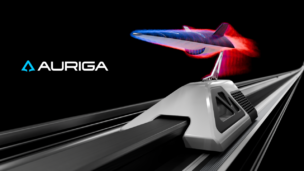
Auriga Space wants to take the rocket science out of launch. Their eventual goal is to provide rapid launch capabilities using tech more akin to high speed maglev trains than rocket engines.
The two contracts are vital to the US military’s mission of greater resilience in space. But they also help fund TrustPoint’s commercial ambitions.
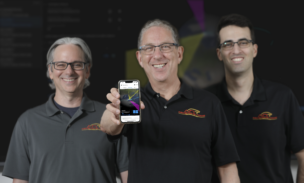
Ascending Node Technologies (ANT) launched its Spaceline 3D mission visualization software to help mission operators plan and optimize their flight paths.
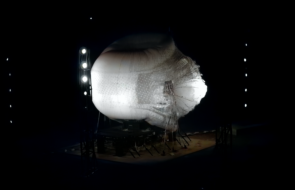
Sierra Space just blew up its most advanced space station technology to date. The explosion was an overwhelming success.
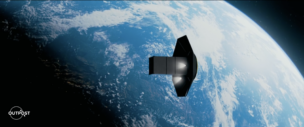
The future of manufacturing in space depends on Earth return companies finding a way to return much larger volumes from space—like say, shipping containers.
“Look at the bill of materials for a modern machine—50% of its software.”
“These commercial companies—they frequently want to minimize the refurbishment between flights, they want to minimize the inspection time—they really want aircraft-like operation.”