


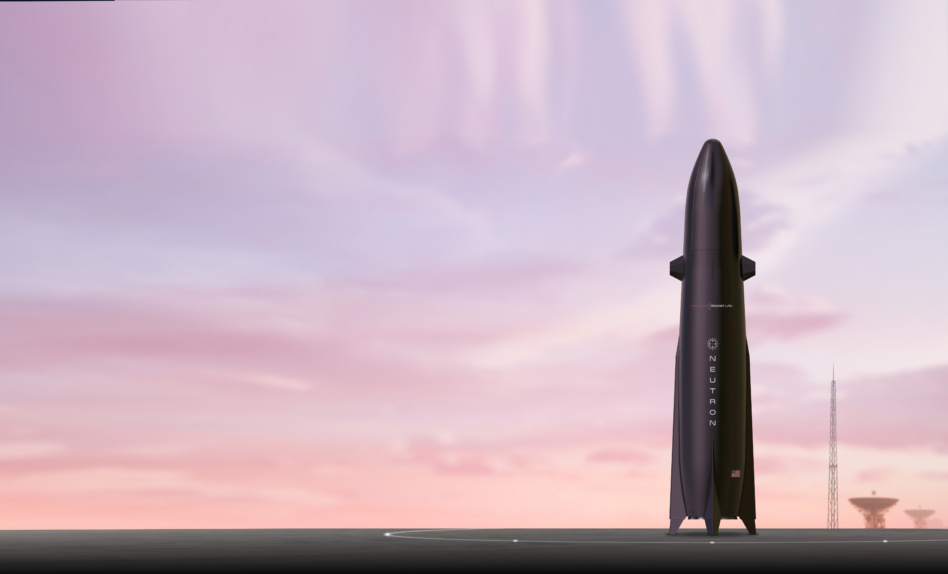
Rocket Lab ($RKLB) unveiled a deployable launch system—dubbed GHOST—designed to enable responsive launch from anywhere in the world.
The announcement on Monday came alongside the company’s Q2 results, which included record quarterly revenue, driven by growth in its Space Systems business and a boost from new acquisitions.
The results also close out an acquisition-heavy quarter for Rocket Lab. It closed both its Mynaric and Motiv purchases during the quarter, and its pending Iridium buy is still in progress.
Meet Ghost: The Global Hypersonic & Orbital Spaceport Technology (GHOST) uses standard shipping containers to deliver a full launch setup globally, complete with rockets, ground support, launch infrastructure, and range control systems.
The system is compatible with two Rocket Lab rockets—Electron and HASTE vehicles—meaning GHOST will be able to support both orbital and suborbital launch. It’s expected to make its operational debut in 2027 with a suborbital launch from Rocket Lab Launch Complex 4 at the Pacific Spaceport Complex in Kodiak, Alaska.
“Whether it’s for missile defense and deterrence, or opening up more trajectories, orbital missions, and sovereign launch capabilities in allied nations, GHOST is the answer to launching anywhere, anytime, and without compromise,” Rocket Lab founder and CEO Peter Beck said in a statement.
Repeat record: At the topline, Rocket Lab reported record quarterly revenue of $234M—a 62% increase YoY—as well as a growing backlog of $2.36B—a 137% YoY increase.
The quarter featured over $1B in new contracts across Q2 and the weeks since, including:
- $437M+ in launch contracts across its Electron, HASTE, and Neutron vehicles;
- $397M to deliver Flatellite spacecraft for Space Force’s Space-Based Airborne Moving Target Indicator program;
- $160M+ across two contracts to build three GEO sats for the Space Force.
During the call, Rocket Lab leadership also provided updates on the progress of some of its major programs:
- Neutron is in final hardware assembly ahead of a narrowing Q4 2026 pad target, even as early launch slots fill with commercial and defense bookings.
- Rocket Lab cast the pending Iridium deal—now expected to close mid-2027—as the move that completes its launch-to-applications strategy, with plans to expand the constellation into new markets and eventually launch it on Neutron.
But wait: The numbers and GHOST were not the only announcements made during the Q2 report:
- Kepler Communications signed a contract for Neutron to launch its expanding constellation—Kepler’s first dedicated mission on a commercial vehicle.
- Rocket Lab is also scaling up its physical presence in Europe with Rocket Lab Germany, building on the Mynaric acquisition and strengthening the continent’s strategic autonomy in space access.

DOT Proposes Changes to Part 450 Licensing Rules
On Tuesday, Transportation Secretary Sean Duffy announced five proposed FAA rules aiming to streamline and modernize commercial space launch and reentry regulations.
Skyrora Shifts Orbital Launch Timeline to 2030
First-mover advantage isn’t all it’s cracked up to be—at least, that’s the thought process for UK launcher Skyrora.
Transporter-18 Tests the Building Blocks of Orbital Data Centers
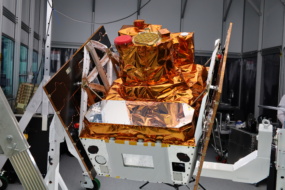
Few rideshares come with a theme, but SpaceX’s Transporter-18 had one: getting power to compute in orbit.
Starship Reaches Orbit on 14th Test Flight
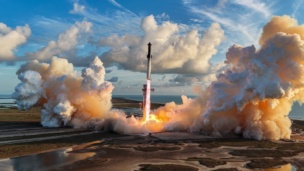
After reaching orbit, Starship deployed 26 V3 Starlink sats over about 30 minutes using its ‘Pez dispenser’ system.

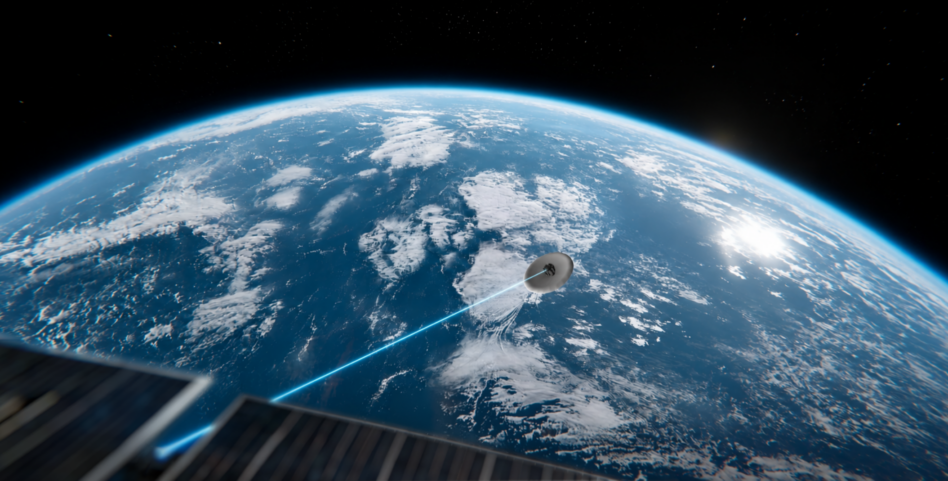
ATMOS Space Cargo wants to livestream its downfall.
Let’s try that again: ATMOS announced an agreement with Lithuanian optical comms manufacturer Astrolight yesterday to fly a laser comms terminal onboard ATMOS’ PHOENIX 2 reentry vehicle during a 2027 demo mission.
The goal of the partnership is to allow ATMOS to beam large quantities of data back to operators during the high-speed portion of return-to-Earth missions—where traditional RF comms links can degrade quickly.
Keep reading