


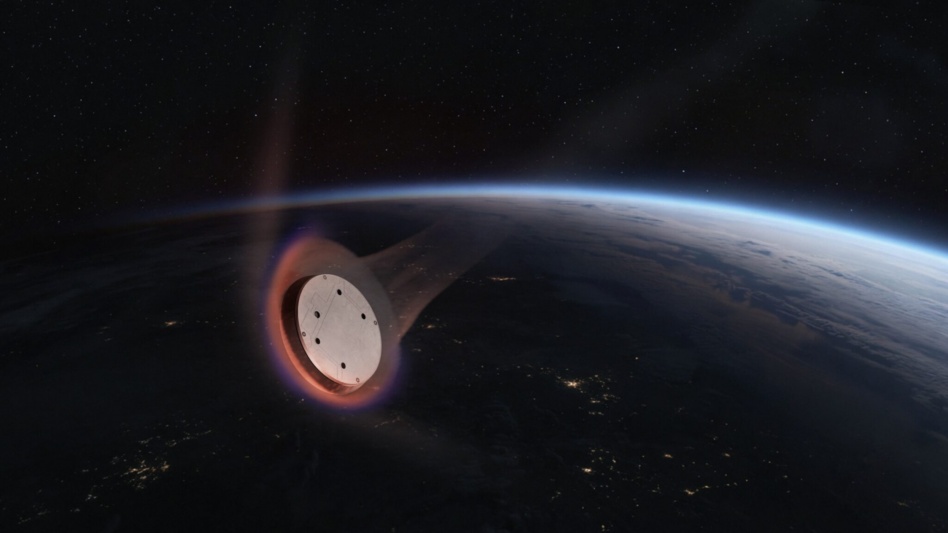
Redwire ($RDW) is putting pharma manufacturing on SpaceX’s new Starfall reentry capsule.
The company announced during its Q2 earnings call Thursday that its SpaceMD subsidiary signed a contract to fly up to 32 of its PIL-BOX drug-crystallization labs on a 2028 Starfall mission, the largest dedicated commercial microgravity research flight announced to date.
It’s also the first dedicated contract mission for Starfall—which debuted in June with a ride-along experiment rather than a contracted mission.
“SpaceMD’s Starfall mission provides a major leap forward in scaling our microgravity capabilities,” Redwire Chairman and CEO Peter Cannito said during the call. “With a platform partner like SpaceX’s Starfall, we are creating a new path to accelerate commercial microgravity manufacturing at scale.”
Orbital Rx: PIL-BOX is no stranger to space, with 54 of the mini-labs having flown to the ISS since 2023—crystallizing 45 unique compounds—and 12 more on the way this year. The tech crystallizes drug compounds in microgravity to develop improved formulas and new pharmaceuticals.
For the Starfall mission, SpaceMD is developing a new version of PIL-BOX built specifically to optimize research aboard the capsule. While the announcement did not specify whether the agreement would include additional missions or specific drug candidates, SpaceMD is looking to increase the scale and frequency of commercial microgravity research through the SpaceX partnership.
“By combining our flight-proven microgravity payloads, such as PIL-BOX, with SpaceX’s innovative transportation capabilities, we’re dramatically expanding our ability to serve customers, increase research cadence, and accelerate the creation of life-changing therapies,” SpaceMD CEO John Vellinger said in a statement.
Down to Earth: Pharmaceutical research is an important customer for all the reentry startups. Capsules offer a tailorable microgravity research environment similar to the ISS, but with much quicker return to Earth for analysis.
A free flyer like Starfall also offers a path forward for microgravity research as the ISS approaches retirement—giving commercial researchers the opportunity and infrastructure to purchase flights without waiting on station manifests or crew availability.

Exclusive: Exolaunch Books its first Starfall Mission
Exolaunch signed an agreement to support customer payloads on a SpaceX Starfall reentry mission scheduled to launch on a Starship NET 2029.

Exclusive: Space Cargo Unlimited Booked a Third of its Starfall Capacity
Demand appears to be skyrocketing, thanks to a new wave of pharmaceutical companies and researchers realizing that microgravity can provide benefits in drug discovery and research.
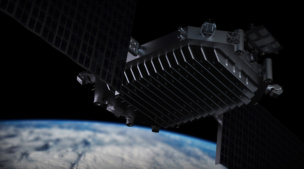
TrustPoint Taps EnduroSat to Build 40-sat GNSS Constellation
EnduroSat will build a 40-sat constellation for TrustPoint, the startup building a commercial GNSS service, the companies announced today.
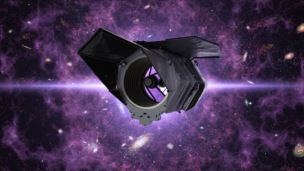
Roman Space Telescope Begins Its Journey to L2
The Nancy Grace Roman Space Telescope launched at 7:26 am ET on Sunday from KSC aboard a SpaceX Falcon Heavy rocket, starting its journey to Lagrange Point 2 and beginning a lengthy commissioning period.

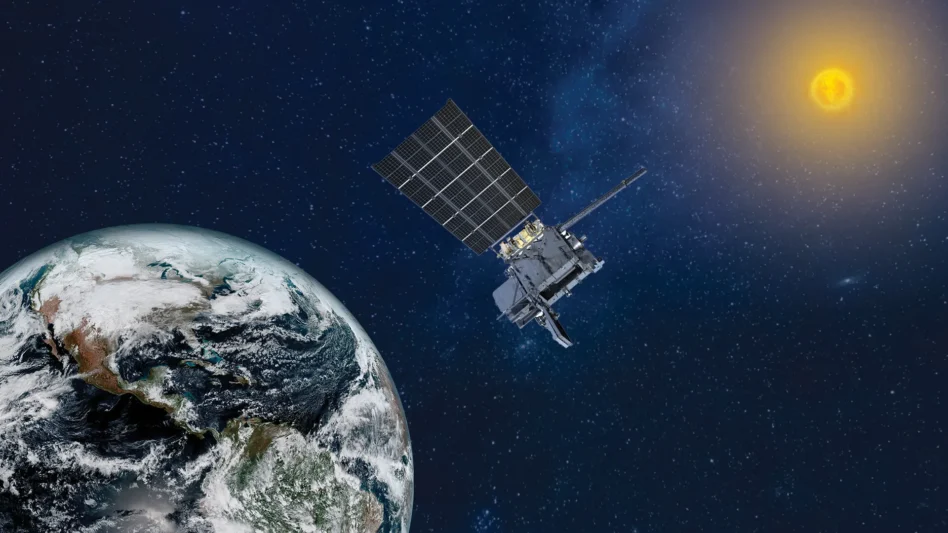
Next month, United States weather forecasting capabilities are set to hit a troubling milestone—the formal end of the DoD’s Defense Meteorological Satellite Program’s lifespan.
Those satellites have orbited hundreds of miles above the Earth for decades, collecting data on cloud patterns and other atmospheric parameters. When those sensors go silent this fall, the country will lose as much as half of the key scans used by weather forecasters.
So much of our lives and public safety depend on weather. Losing the ability to predict it could have profound effects on national defense, our economy, and hurricane preparation.
Keep reading